


There’s a new myGov scam making the rounds and it’s costing innocent Aussies thousands. Stay Smart Online has issued a warning telling people to be careful of emails claiming to be from Medicare.
The security website says scammers have set up a clone of the myGov website to trick victims into sharing their private banking details. The phishing email asks users to update their Electronic Funds Transfer (EFT) details, so they can start receiving payments for Medicare benefits and claims.
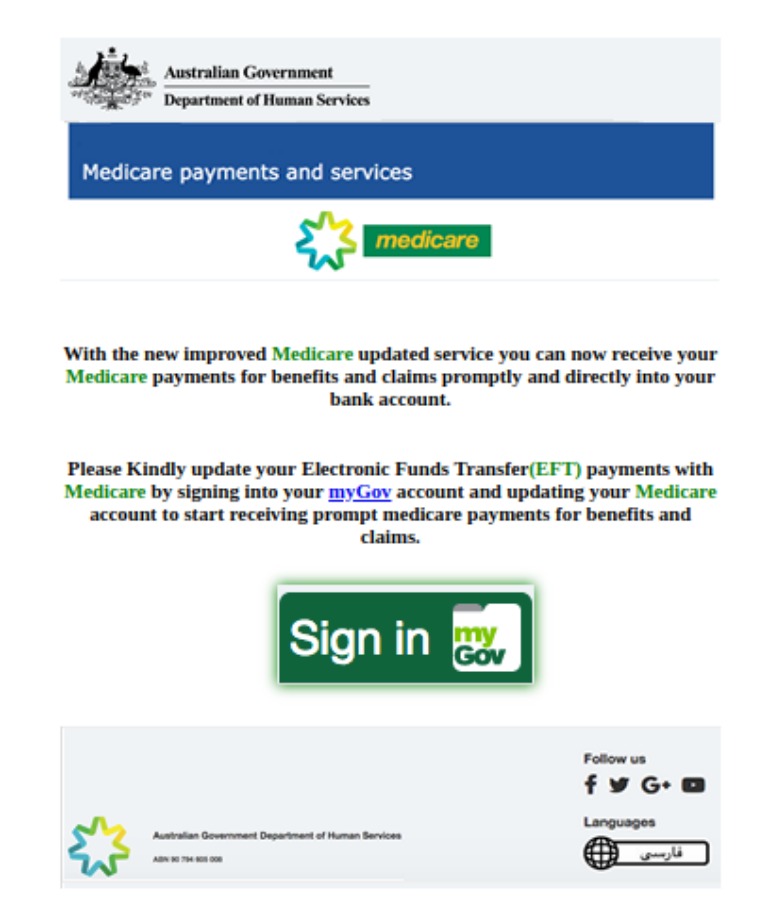
Those who click the link in the email are taken to a replica of the real myGov website, Stay Smart Online explains. “You’ll note the URL includes ‘.net’ instead of ‘.gov.au’, which is an indication the website is not a legitimate Australian Government domain.”
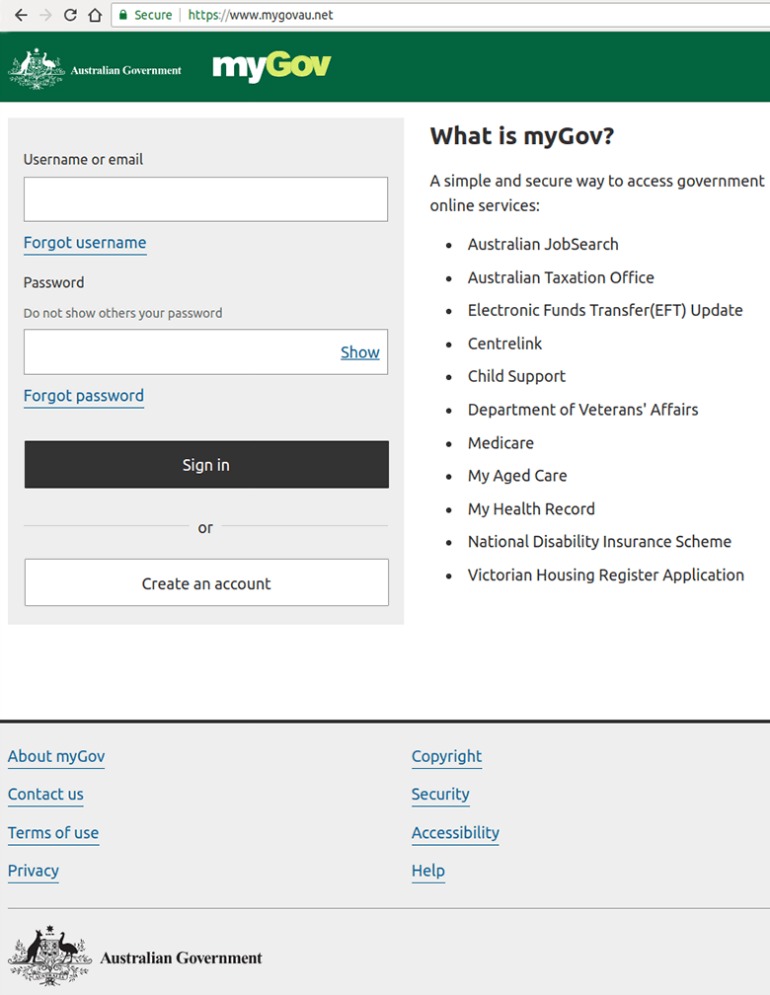
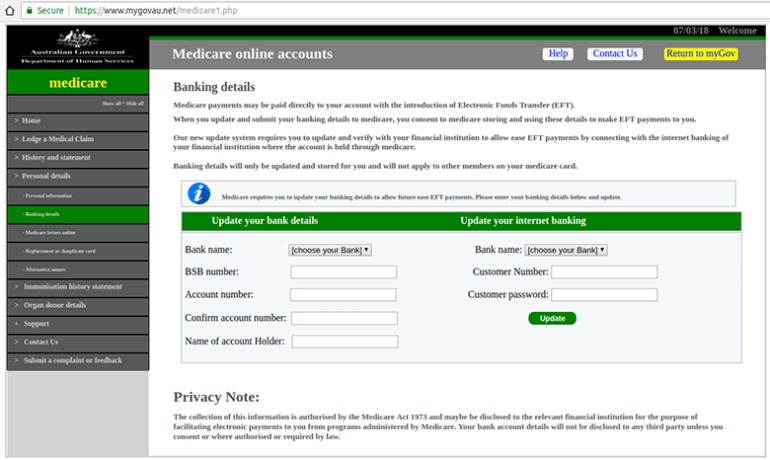
If you input your login details you are directed to the fake Medicare website to input your bank account details. The email and webpages look convincing with branding from myGov and Medicare. The security website is advising clients to not click on the link in the email.
myGov said in a statement it will never send people emails or texts containing links to external websites. If you receive an email claiming to be from myGov that asks you to click on a link you should assume it is a scam and delete it immediately.
If you’re unsure, call the tax department using the number on its website, not the number provided in the email, to verify.
Read more: Tax-time scams to watch out for in 2018
Tax time is prime for scams, and with the end of the financial year scammers are getting a lot more crafty in their efforts to fool Aussies into handing over their cash.
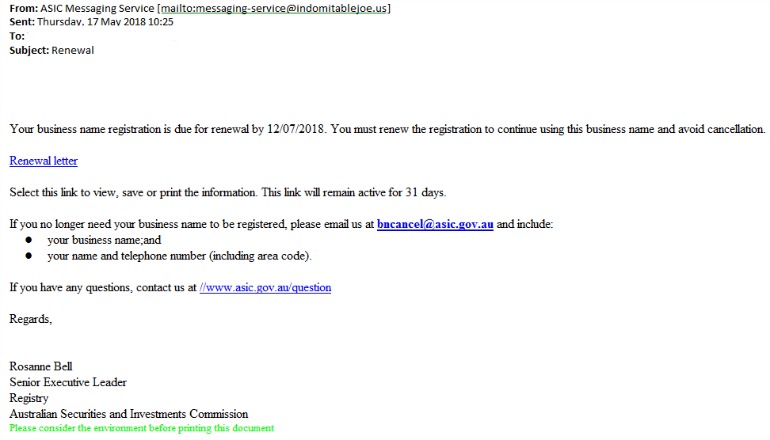
The Australian Securities and Investments Commission scam is expected to peak again this July, with the ASIC’s own website currently carrying a major warning about the scam, which involves an email, claiming to be from ASIC, about a renewal letter business owners need to submit or a fine they must pay.
The best way to protect yourself from a scam is to never reply to suspicious emails, open any attachments or click on any links in emails. Aways consider the possibility that an email or text message may be a scam and to be cautious when sharing personal information.





 Proudly Australian owned and operated