
Lunch at Ottolenghi: is a celebrity chef’s name worth the price of a week’s groceries?


CRISP ON SUNDAY
My mother-in-law is 87 and has strong views on food. Chief among them is that nothing should cost more than it did in 1974. So when she scanned the menu at Ottolenghi in Edinburgh last Thursday and, without a flicker of hesitation, ordered the most expensive thing on it, I knew we were in for an interesting afternoon.
A table among the chosen
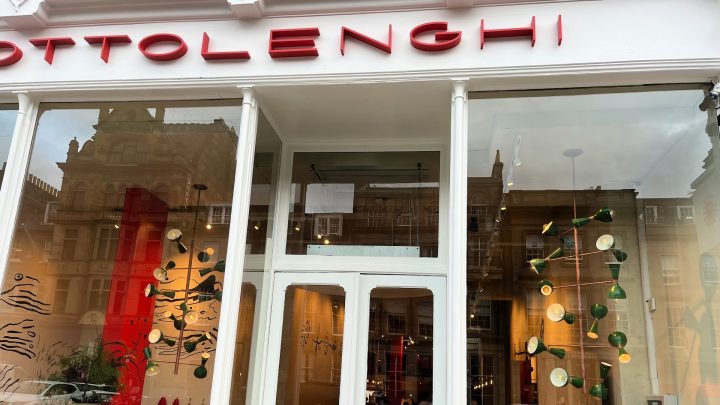
Ottolenghi opened on Edinburgh’s George Street on October 2, its first restaurant in Scotland, and getting a table has become something of a sport. We’d managed 1.30pm on a Thursday. You walk in past a little shrine to the man himself: his cookbooks, his spices, jars of this and bottles of that, all beautifully lit and all, naturally, for sale.
The room was packed, bubbling and loud. There’s a big central bar, and a lot of people who looked very pleased with themselves. That’s not a criticism. I looked very pleased with myself too. There’s a particular nod that diners give each other in a restaurant like this, a sort of quiet acknowledgement that we were among the chosen few who’d managed to get in. It’s the same look you see in the queue at a Taylor Swift concert, only with more linen.
What we ate
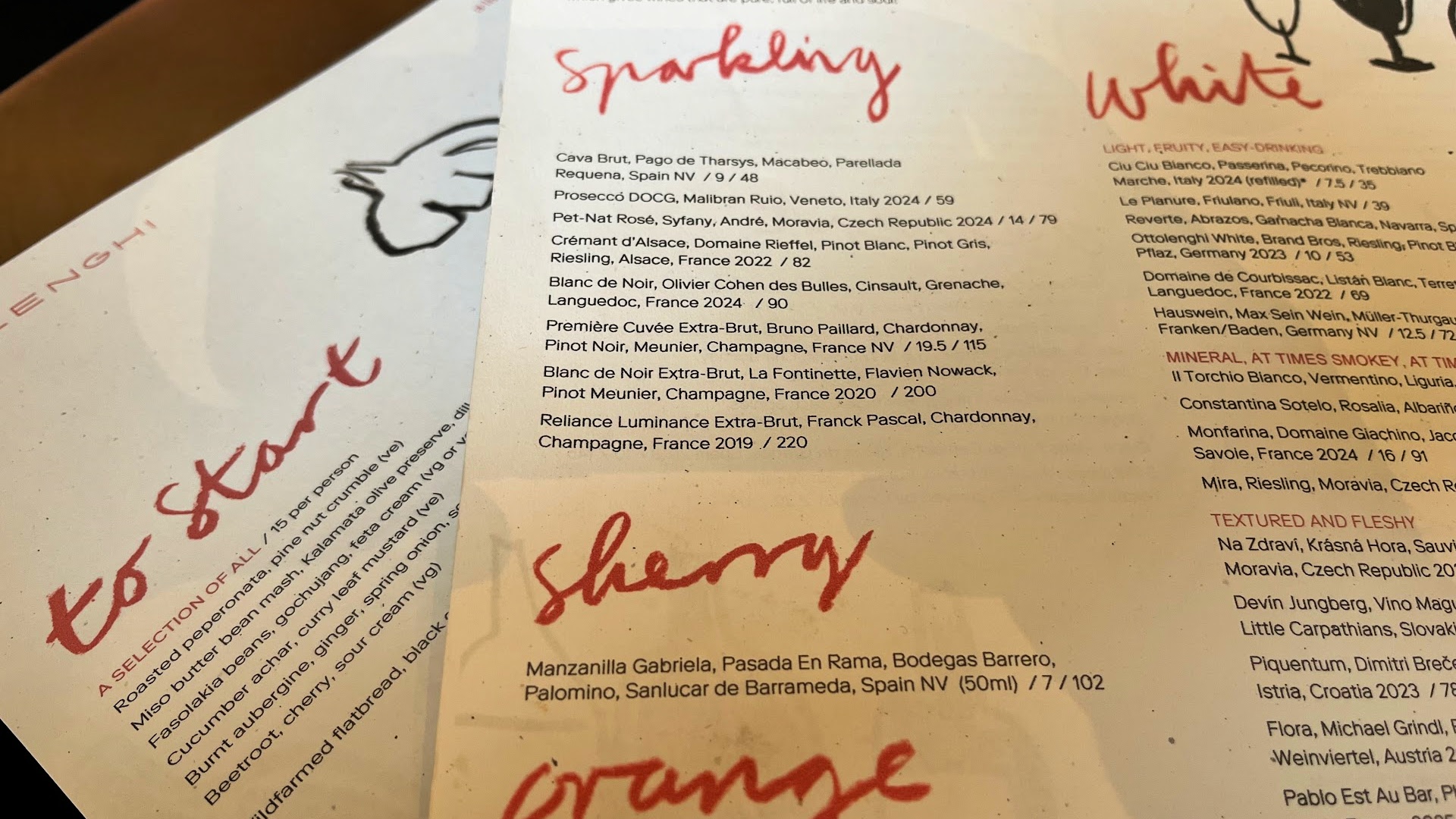
We started with a bottle of sparkling water (£4.60) and a bottle of the house rosé, Mas de Valériole (£36). It was pink, dry, dangerously easy to drink, and refilled, it seemed, almost by itself.
My mother-in-law had the megrim sole (£41). It’s a Scottish flatfish, and here it’s the menu’s most expensive dish. My wife and I aren’t really fish eaters, so I can only report that it arrived looking magnificent and left … with almost half untouched.
The aubergine (£25) was the dish of the day. It came soft, smoky and glossy, layered with the kind of sweet, sour, nutty, herby things that have made Ottolenghi famous. It’s the reason a generation of Australian home cooks own a jar of sumac and a bag of pomegranate molasses they bought for one recipe in 2014. It was, quite simply, outstanding.
The beef kofta (£25) was good but not great. Perfectly pleasant, nicely spiced, but it didn’t make me want to stand on the table and sing.
The flatbread (£8) was salty, oily and dangerously moreish. We had to have it taken away. The cabbage (£6) was the sort of thing that would convert a child, or at least a grumpy Scottish uncle, to vegetables.
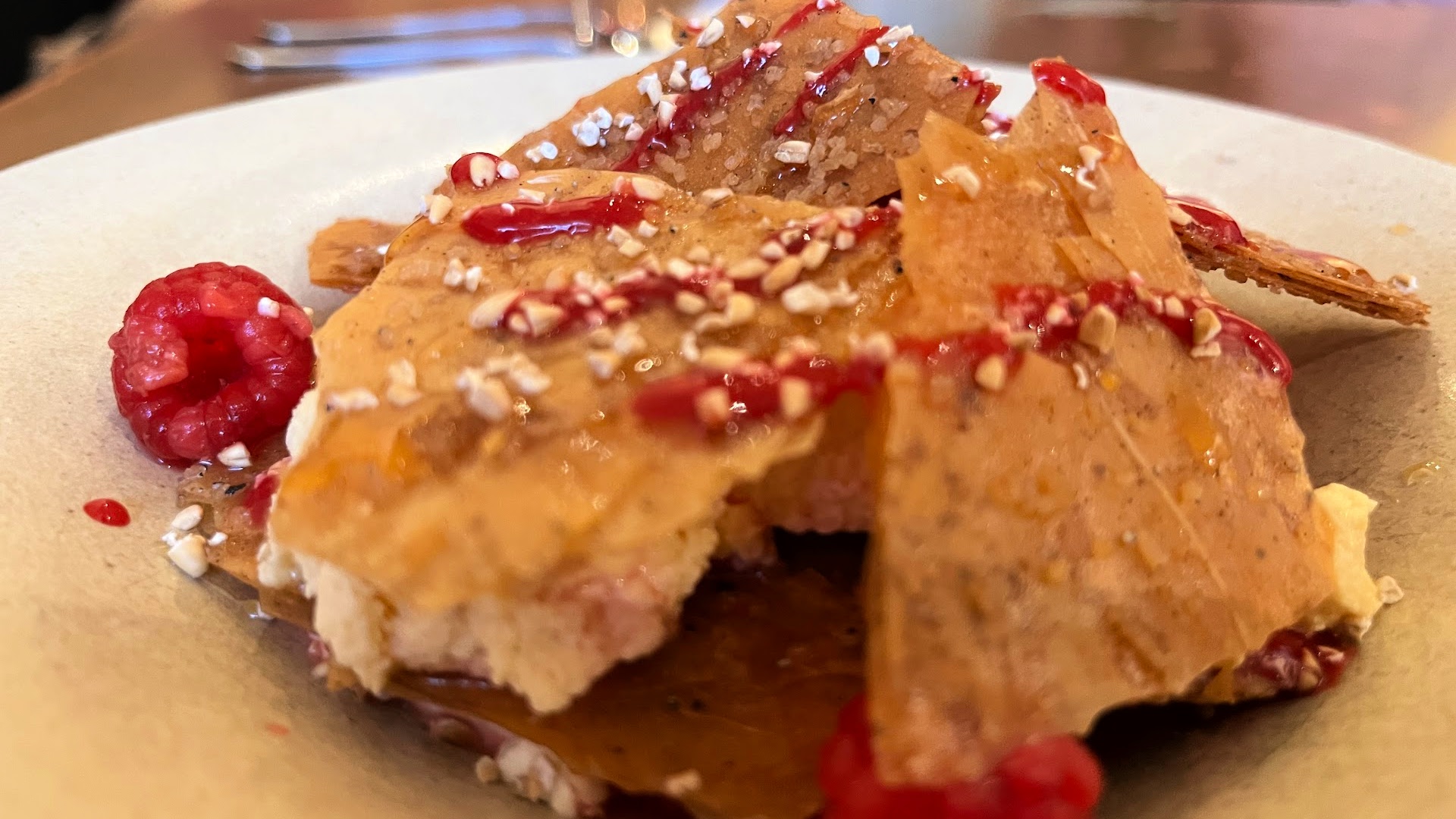
And then dessert: a modern take on cranachan (£8), the old Scottish pudding of cream, whisky, honey, oats and raspberries. Here the flavours were swirled together beautifully into something lighter and more elegant than the farmhouse original. It was a lovely nod to where we were.
With a 12.5 per cent service charge of £19.20, the bill came to £172.80, or about A$326.
The verdict from the head of the table
My wife and I thought it was a treat. My mother-in-law, the woman who had ordered the £41 fish, thought it was “too fancy”, “too expensive” and “not for her”.
We suggested that next time we’d leave her at home with an egg mayonnaise sandwich. She seemed quite delighted by the idea.
So who’s actually cooking?
The professional critics are mostly as impressed as we were. The Scotsman’s first review said Ottolenghi was “taking their Scottish mission seriously”. Wallpaper* called the room “healthy, sociable and exuberant, rather than earnest or tweezered”, which is about as good a description of an Ottolenghi meal as I’ve read.
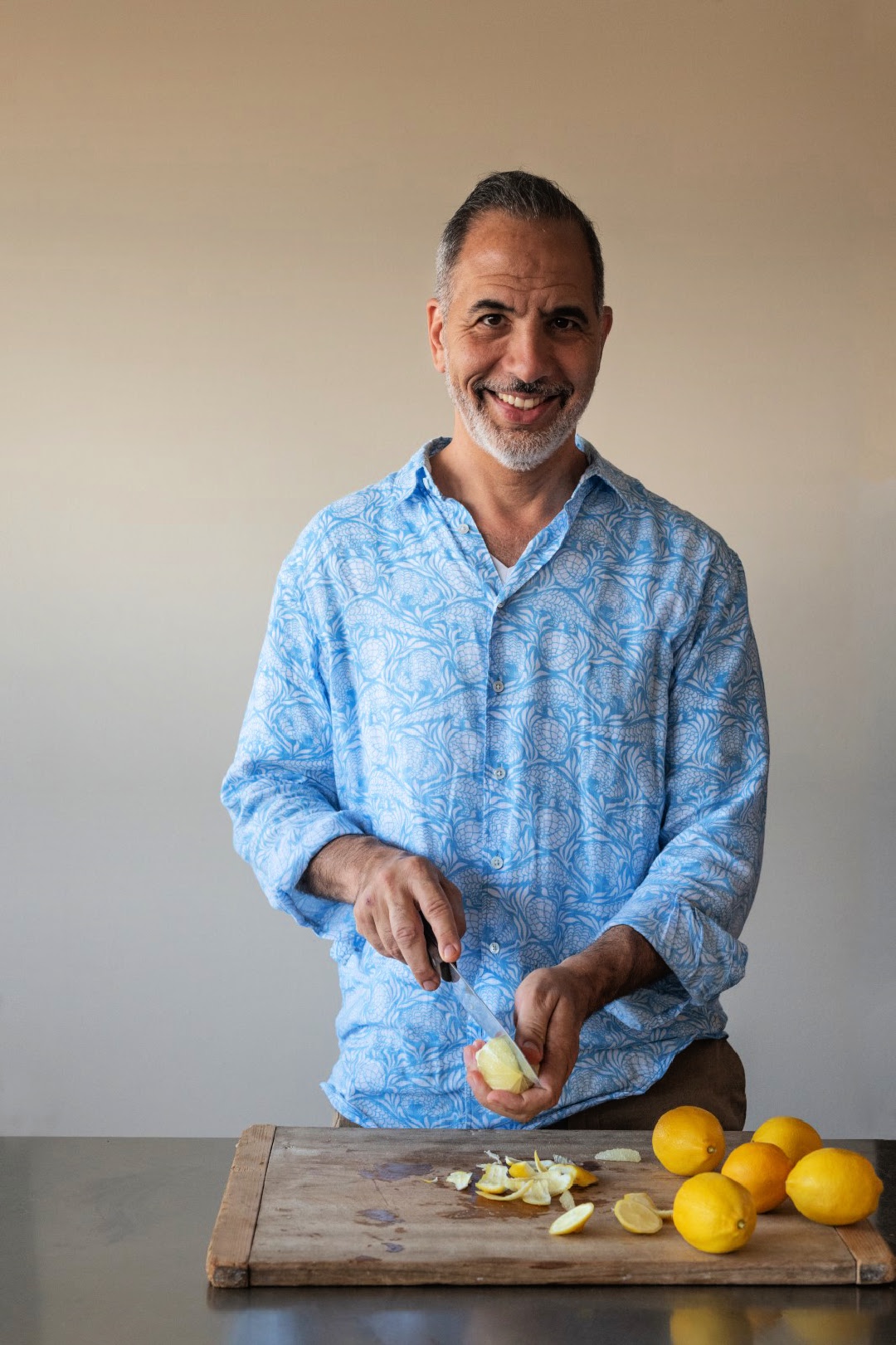
But here’s the thing. Yotam Ottolenghi (above) wasn’t in the kitchen. The cooking is in the hands of executive chef Neil Campbell, a Scot who grew up on the Isle of Skye. That isn’t a scandal. It’s how celebrity chef restaurants work. Ottolenghi himself once admitted to The Good Food Guide that he hadn’t worked in a professional kitchen for years, and doubted he could now, because he was “out of practice”. He also described himself, rather charmingly, as “a control freak”.
And that’s the question that nagged at me over the cranachan. When you book a table at a restaurant with a famous name over the door, what exactly are you paying for?
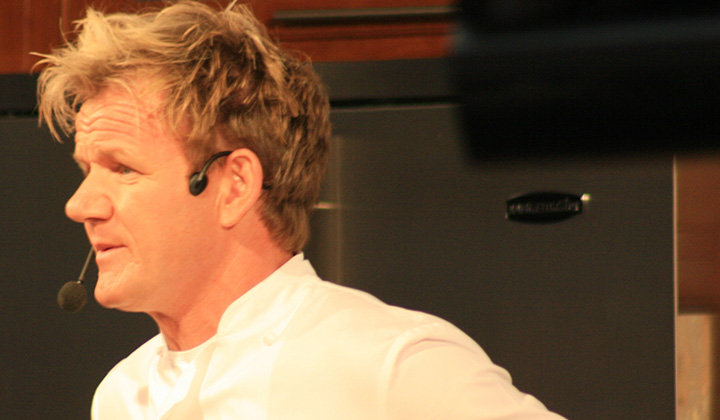
The Edinburgh celebrity circuit
Edinburgh has its share. Gordon Ramsay has his Bread Street Kitchen in St Andrew Square, just around the corner. It’s the Scottish outpost of an empire that, by late 2024, ran around 90 restaurants worldwide. The Scotsman’s reviewer called the food there “fine but very forgettable”, which is not a phrase you want on a menu.
Then there’s Tom Kitchin, whose Michelin-starred The Kitchin in Leith is the real deal. He’s a chef who is famously, and visibly, in his own kitchen.
And, a few doors from Ottolenghi on George Street, there’s a ghost. Jamie’s Italian once traded there, until Jamie Oliver’s UK restaurant group collapsed in 2019. It closed 22 of its 25 restaurants and around 1,000 people lost their jobs. Oliver said he was “devastated”.
The hits and the misses
The celebrity chef business is a tough one, even for the biggest names.
The hits: Ramsay’s empire is the ultimate success story. It runs from a three-Michelin-star restaurant in Chelsea to burger bars in Las Vegas, built on a name, a temper and a phenomenal TV career. Ottolenghi has done it differently: a small, carefully run group of London restaurants and delis, plus cookbooks that changed how the world cooks vegetables.
The misses: Even Ramsay has had plenty of failures. La Noisette in London closed a year after opening. His Los Angeles restaurant The Fat Cow ended in a legal dispute. He lost Pétrus, and its two Michelin stars, when he fell out with his protégé Marcus Wareing. Jamie’s Italian is the cautionary tale of the decade. It shows that a famous face can fill a restaurant, but it can’t run one.
Is it worth it?
Here’s the sum that kept me awake.
Our lunch for three cost £172.80. According to Office for National Statistics figures, the average two-adult household in Britain spends about £67 a week on groceries. The lowest-income households spend about £48 a week on all their food and non-alcoholic drink.
So our one lunch cost roughly what a struggling household spends on food in three and a half weeks. Put that way, it’s sobering. In Australia, where the cost-of-living squeeze is just as real, A$326 is a big week’s shop for a family.
Is it worth it? For us, as a treat, on holiday, in a city we love, yes. The aubergine alone was worth the trip. But it’s a privilege, and one many people can’t share. The celebrity name over the door is part of what you’re paying for, and so is the buzz of knowing you got a table.
The truth is, the best thing about Ottolenghi isn’t the restaurant. It’s the recipes. You can buy one of those cookbooks at the front door for about the price of the aubergine, take it home, and cook his food for a fraction of the cost.
My mother-in-law, meanwhile, would like it known that a good egg mayonnaise sandwich has never needed a celebrity chef.
Do you think celebrity chef restaurants are worth the money? Or would you rather cook the recipes at home? Tell us in the comments.
Cook your own Ottolenghi meals at home
Yotam Ottolenghi’s Spanish Breakfast Potatoes with Broken Eggs





 Proudly Australian owned and operated
Comments 0
Join the conversation. Comments are reviewed before they appear.
Be the first to comment.
Join the conversation
Tell us who you are to post a comment. We'll remember you next time.