

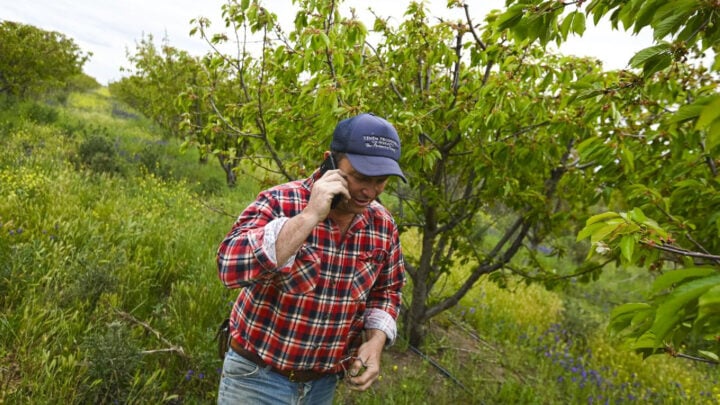
With no mobile coverage to make a call, some rural Australians are turning to century-old technology and using two-way radios to communicate.
“It’s fine, but everyone in the district can hear what you’re saying, so you have to juggle what you say,” one rural resident told the Telecommunications Industry Ombudsman.
Another described a lack of connectivity more frankly: “No doubt it’s because we’re in the middle of nowhere. Who gives a shit about us, right?”
Those are just some of the recent complaints highlighted by the ombudsman, along with rural people being unable to call triple-zero, taking 800km trips to fix their tech, or going without.
The ombudsman analysed more than 25,000 complaints from rural consumers over the last two years, finding mobile connectivity in the bush remains unreliable and outages risk lives and economies.
Its report Left Behind, released on Thursday, recommended a review of regulatory frameworks, consumer compensation options and digital literacy campaigns.
“Reliable telecommunications aren’t a luxury,” ombudsman Cynthia Gebert told AAP.
“They’re essential for safety, for economic participation in everyday life,”
The report found consumers living in remote areas had difficulty accessing upgrades and repairs, with one man making several 350km trips to set-up a new device.
Patchy connectivity was also rife and reception was sometimes made worse by demand from tourists or seasonal workers.
A rural firefighter reported triple-zero dropping out while he responded to a fatal blaze and being unable to call a colleague standing 100 metres away.
Some farmers said they could not call their neighbours to warn them of emergencies.
“The ability to call or message someone else on the farm, or a neighbour, for help is vital,” one farmer said.
The 2024 shut-down of the ageing 3G network left some rural communities without mobile coverage, as farmers described having to travel to make calls or rely on two-way radios.
The report recognised the economic difficulties for telcos to build infrastructure in sparsely-populated remote areas, pointing to a need for government co-investment.
The ombudsman’s recommendations come soon after the closure of the Regional Tech Hub, which helped rural Australians navigate connectivity challenges.
The National Farmers’ Federation said the closure was deeply disappointing.
Ms Gebert said rural Australians depended on the free service to understand their unique challenges.
“I see it as a big loss that we don’t have that independent source of information,” she said.
“Regional and remote Australians help feed the nation, they power industries and they keep the country thriving, they are part of Australia.
“So there is an ongoing challenge, a question of what sort of Australia do we want to have?”
First Nations people told the ombudsman they often could not get mobile accounts because they did not have the required identity documents.
And while services like Starlink improved coverage, consumers said they still needed back-up technology because satellites failed during storms, fires or under heavy cloud.







 Proudly Australian owned and operated
Comments 1
Join the conversation. Comments are reviewed before they appear.
This country is way behind in Technology. It is lack of money from Governments, or just `she`ll be right mate.`
Join the conversation
Tell us who you are to post a comment. We'll remember you next time.