


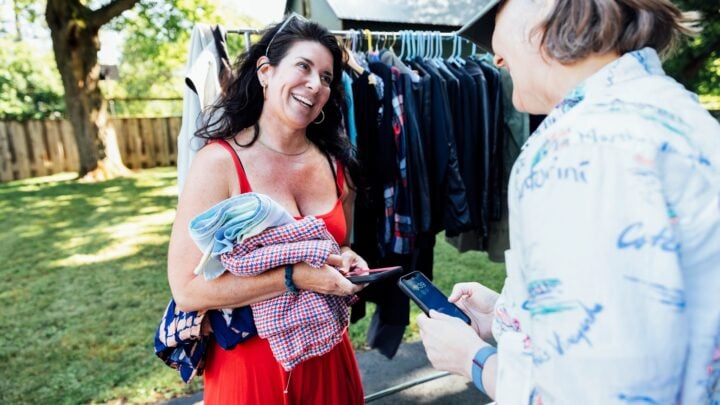
If you think thrifting is about dusty cardigans and chipped mugs, grab your pearls because the revolution has arrived. Thrifting is booming in Australia, and savvy seniors are right at the front of the queue, designer tote in hand, eyes peeled for buried treasure.
Welcome to How to Make Thrifting Work for You – where patience is power, confidence is currency, and someone else’s “Oh, I’ll just donate that” becomes your “How on earth did I get this for $12?”
First things first: thrifting is a sport
This is not a casual stroll. This is retail archaeology. You are Indiana Jones in sensible shoes. The trick is to treat every op shop, market stall and pre-loved website as a possibility, not a guarantee. You won’t win every time – but when you do? Champagne feelings on a tap-water budget.
Location, location … liquidation
Here’s a thrifting truth nobody likes to say out loud: wealthy suburbs are gold mines. Rich people discard extraordinary things. Perfect cashmere. Barely worn designer jackets. Italian shoes that have never known the horror of a footpath crack.
Op shops in blue-chip postcodes often receive donations from wardrobes that were curated, not cluttered. Go mid-week, mid-morning – after school drop-off, before lunch – when the good stuff has just hit the racks and the serious resellers are still at Pilates.
And don’t sleep on country towns. Ever.
Country op shops are slower, friendlier, and often stuffed with absolute gems. Why? Fewer trend cycles, better-quality purchases to begin with, and donations from people who bought things properly and kept them well. Think vintage coats, handmade knits, leather bags that have lived a life but still have a few chapters left.
Preparation is everything
The most successful thrifters do their homework. You don’t need a spreadsheet (although no judgement), but you do need a working knowledge of what things cost new – and what lasts.
Before you go:
Know your fabrics: wool, silk, linen, cotton and cashmere age beautifully. Polyester does not.
Check labels: Australian-made, European brands, older stitching – often signs of quality.
Inspect seams, hems, buttons and zips like a detective on a cold case.
Ignore sizes. Vintage sizing is a liar. Try it on or measure.
And remember: price is only a bargain if you’ll actually wear it. A $10 jacket you never use is not a win. A $25 coat you live in? Glorious.
Timing is everything (again)
Ask staff when new stock is put out. Many shops rotate daily. Mondays and Tuesdays can be surprisingly good – weekend donations, fresh racks. Sale days are tempting, but the best pieces are often snapped up before the discount signs go up.
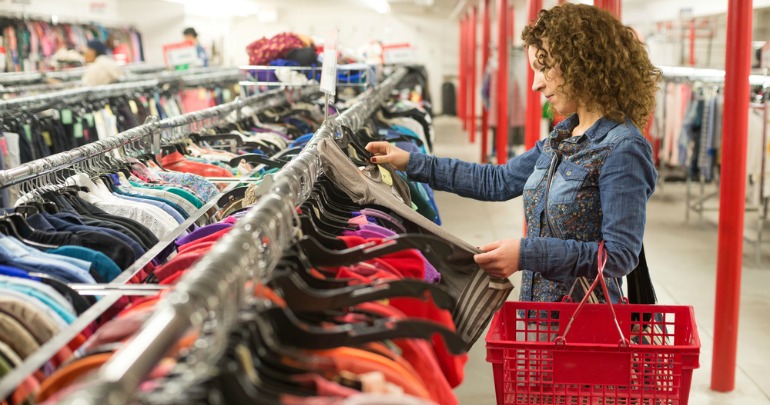
Online thrifting: the digital treasure hunt
If you prefer your bargain-hunting with a cup of tea and no fluorescent lighting, the internet is your friend.
Here are some standout places for pre-loved fashion in Australia:
eBay Australia – still unbeatable if you know what you’re searching for
Depop – great for trendier pieces and designer resale
The Volte – high-end Australian and international designer rentals and resale
Vestiaire Collective – luxury labels, authenticated
Facebook Marketplace – chaotic, yes, but wildly rewarding
Gumtree – underrated for quality clothing bundles
Salvos Stores Online and Vinnies Online – op shop goodness without the digging
Set alerts, save searches, and don’t be afraid to make an offer. Polite confidence gets results.
The joy of the hunt
Here’s the thing they don’t tell you: thrifting isn’t just about saving money – it’s about reclaiming pleasure. The thrill of discovery. The smug delight of compliments followed by “Oh, this old thing?” The quiet rebellion against fast fashion and inflated price tags.
It’s sustainable. It’s economical. It’s deliciously smug. And best of all, it rewards curiosity, patience and a sense of fun – qualities many of us have in spades.
So grab a roomy tote, wear something easy to slip on and off, and go hunting. Somewhere out there is a perfect jacket with your name on it … currently priced less than a latte.
Happy thrifting, darling.





 Proudly Australian owned and operated
Comments 0
Join the conversation. Comments are reviewed before they appear.
Be the first to comment.
Join the conversation
Tell us who you are to post a comment. We'll remember you next time.