
How “bricking” my phone quietly changed my life



I first noticed The Brick months ago while scrolling social media – one of those ads that flickers past while you’re only half paying attention. It caught my eye because the idea sounded clever and slightly unusual: a physical device designed to lock your phone and block distracting apps. At the time, though, I didn’t think much beyond mild curiosity. I assumed it was another wellness trend that would come and go, so I kept scrolling and promptly forgot about it.
A few weeks later, the idea resurfaced in a very different way. I heard KIC founder Steph Claire Smith mention The Brick in passing – not as a glossy promotion or dramatic lifestyle overhaul, but simply as something she was using to reduce her screen time. That casual endorsement landed differently. If someone whose work exists largely online was intentionally limiting her phone use, perhaps there was more to it than I’d first assumed.
So, after a bit of hesitation, I decided to try it. I spent the $100, ordered a Brick, and told myself I’d see how it went.
Just one week later, I can honestly say it’s one of the best decisions I’ve made for my wellbeing in a very long time.
Like many people, I never considered myself overly attached to my phone. I don’t play games, I’m not glued to TikTok for hours, and I don’t lie in bed watching endless reels late into the night. In my mind, my phone use felt reasonable – even necessary.
That perception changed the moment I looked properly at my screen time data.
On average, I was spending around four and a half hours a day on my phone, and most of it wasn’t productive. It was social media – made up of countless short checks that felt insignificant in the moment but added up quickly over the course of a day.
Five minutes here, ten minutes there. A quick scroll while waiting. Another while transitioning between tasks. None of it felt excessive on its own, but together it quietly consumed hours without offering much in return.
What struck me most was how rarely those moments were intentional. I wasn’t picking up my phone because I needed to do something specific; I was picking it up because it had become automatic.
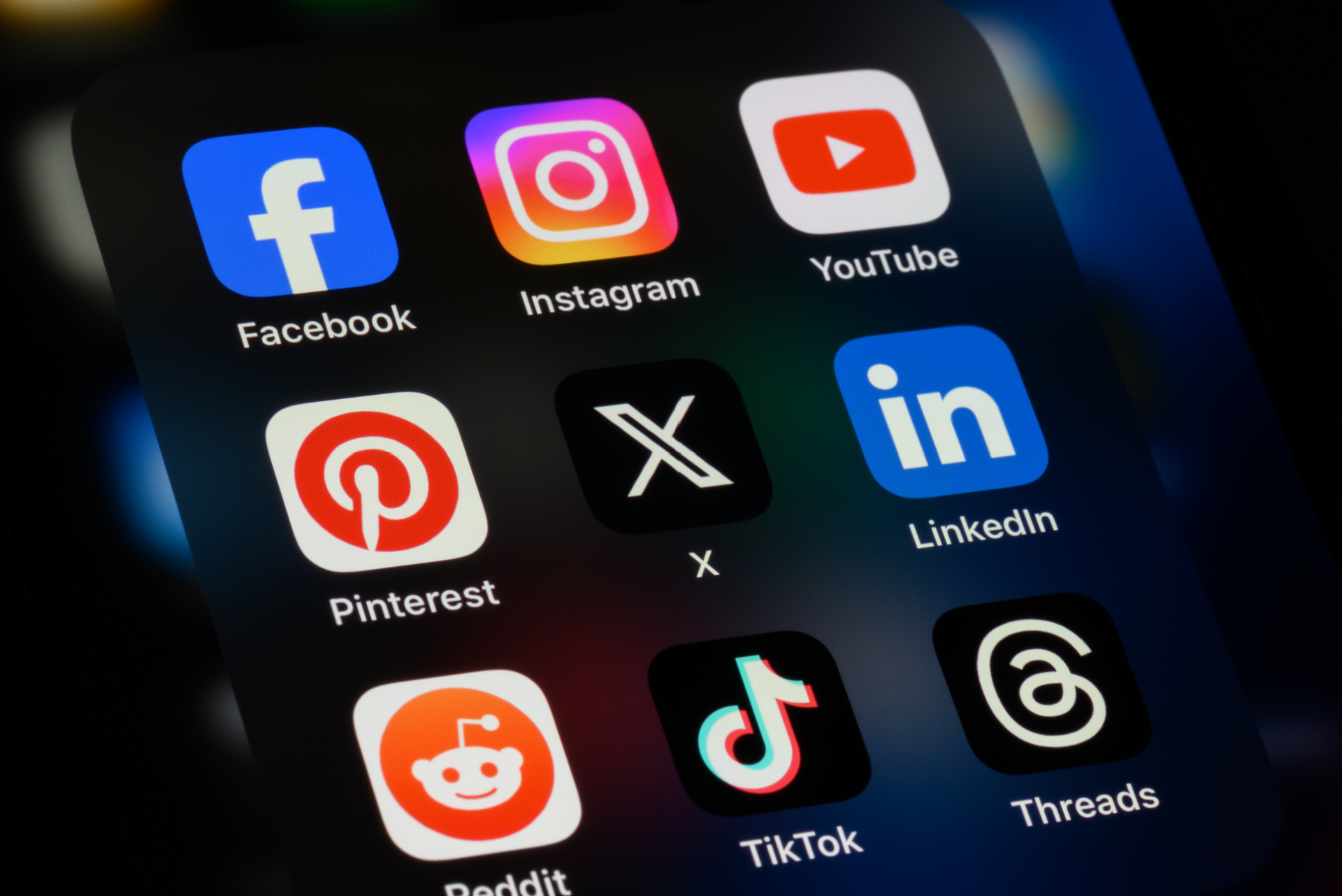
The realisation hit during an entirely ordinary moment. I drove to the swimming pool – about five minutes from home. When I parked and turned off the engine, my hand reached for my phone without conscious thought and opened Facebook.
Nothing had changed in those five minutes. There was nothing urgent to see. I was moments away from going for a swim – yet there I was, scrolling anyway.
It was a small moment that made something very clear: my phone was no longer just a tool. It had become a reflex.
I’ve tried screen blockers, timers and notifications before. They worked temporarily, but they always relied on my own willpower. When an alert popped up telling me I’d reached my limit, I could override it, snooze it, or justify extending it “just a little longer”.
And I almost always did.
The Brick works differently because it introduces a physical barrier.
It’s a small device that works alongside an app to block selected applications. After setup, you choose which apps you want restricted – typically social media or news apps that encourage mindless scrolling.
To activate it, you tap your phone on the Brick. From that point, the chosen apps are blocked, while essentials like calls, messages, maps and emergency access still work. Your phone remains useful – just without the usual distractions.
To unblock those apps, you must physically return to the Brick and scan your phone again. That extra step is what makes it effective. Instead of acting on impulse, you’re forced to pause and decide whether you really need access.
Unlike app blockers that can be overridden with a tap, The Brick removes the option to change your mind on a whim. Once your phone is bricked, the decision has already been made.
Within a week, my average daily screen time dropped from around four and a half hours to just over two. But the bigger change wasn’t the number – it was how I now relate to my phone.
I no longer reach for it automatically during quiet moments. The low-level urge to check what might be happening online has softened.
Before leaving the house, I brick my phone. I can still call, message and navigate – but social media is unavailable. My phone has returned to its original role as a practical tool, not a default distraction.
What surprised me most was the sense of calm. I feel more present, more comfortable with pauses, and less mentally cluttered by constant digital noise.
There’s also relief in knowing the decision has already been made. No internal negotiation. No guilt.
Perhaps most importantly, I no longer feel like I’m failing at self-control. The system does the work for me.
The Brick won’t be for everyone. It requires intention and a willingness to sit with some initial discomfort. Spending $100 on a small device may seem unnecessary.
For me, it’s been worth every cent.
It doesn’t rely on motivation or discipline – both of which fluctuate. Instead, it uses thoughtful design to support better habits with minimal effort.
This isn’t about rejecting technology. Our phones play an important role in staying connected – especially as we get older.
It’s about noticing when something helpful starts taking up more space than it should.
For me, bricking my phone hasn’t felt restrictive. It’s felt freeing – freeing from constant checking, freeing from unnecessary noise, and freeing me to be more present in my own life again.
Sometimes, all it takes is a small physical reminder to put the phone down and look back up.
This article is not sponsored or affiliated.





 Proudly Australian owned and operated
Comments 0
Join the conversation. Comments are reviewed before they appear.
Be the first to comment.
Join the conversation
Tell us who you are to post a comment. We'll remember you next time.