
How a decade-old idea blossomed into Wendy Lynn Newton’s debut novel


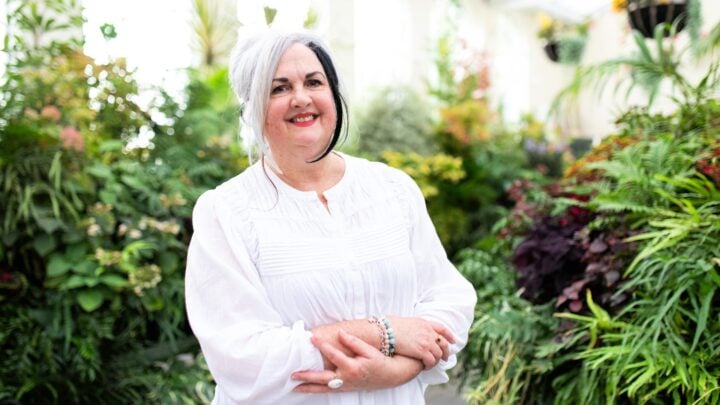
For Australian author Wendy Lynn Newton, gardening and storytelling have always been closely connected.
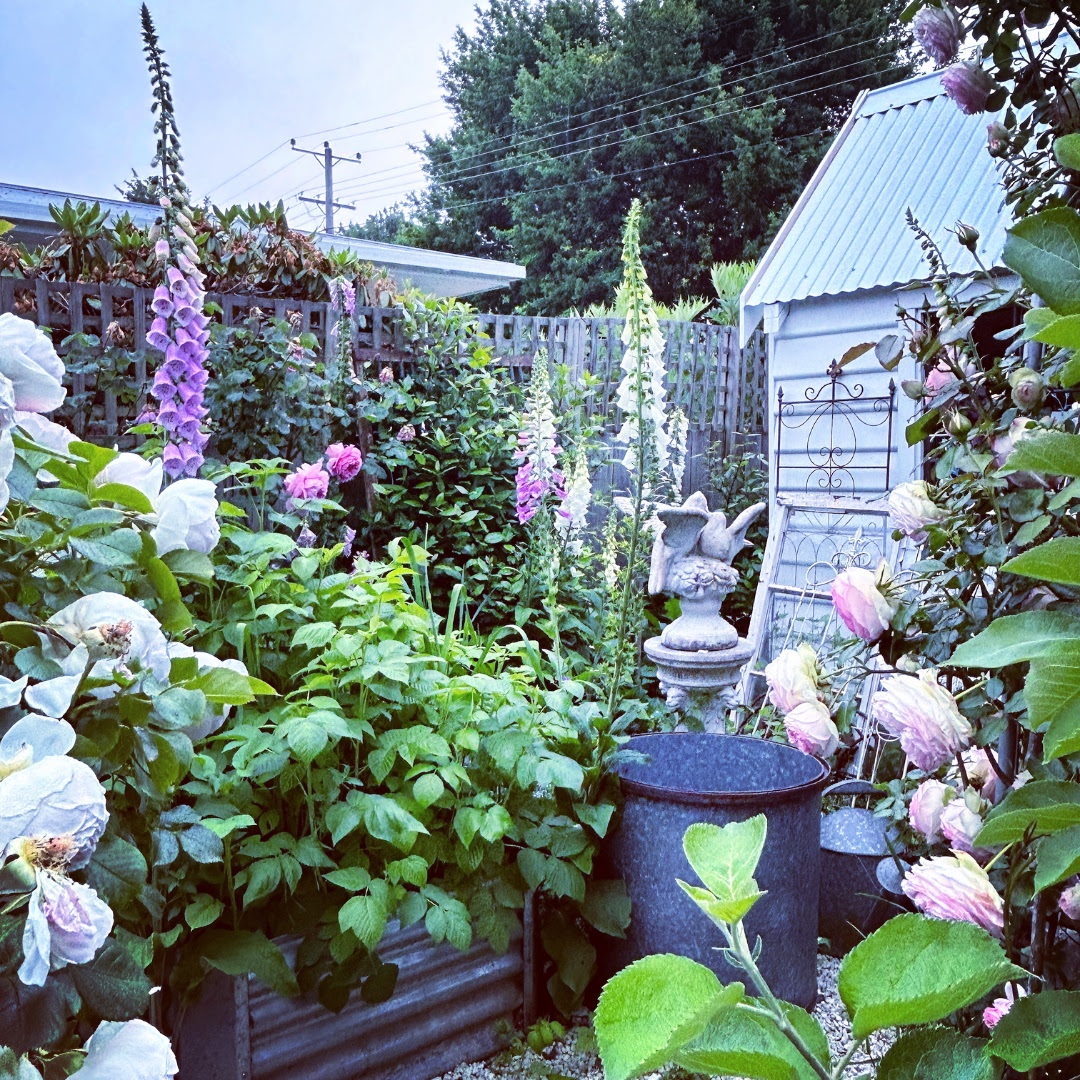
The Tasmanian writer has published two non-fiction books and seen her short fiction, feature articles and arts reviews appear in journals, magazines and literary anthologies. When she’s not writing, Newton can often be found in the garden. Her Instagram account, where she shares photographs of roses, hollyhocks and daphne, has attracted a loyal following of fellow gardening enthusiasts.
Those two passions come together beautifully in her debut published novel, The Secret Garden Club, a story about grief, friendship, community and the healing power of nature.
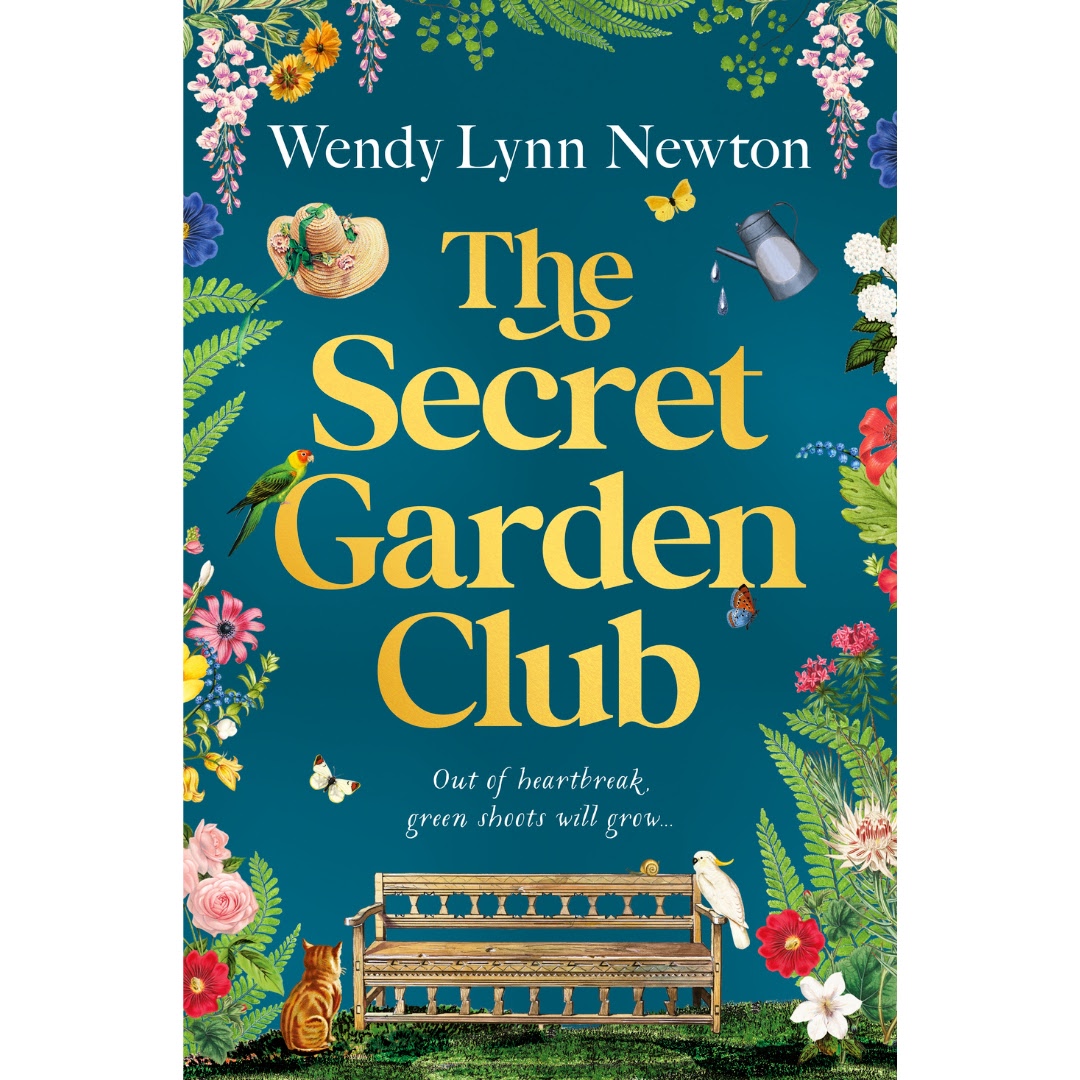
The novel follows Hilary, whose world is turned upside down when her husband George dies suddenly. Overwhelmed by loss, she destroys the garden he lovingly tended, only to discover that he had been keeping a secret. George was a member of The Secret Garden Club, a group of gardeners who arrive at Hilary’s door determined to restore the garden and, in the process, help her find a way forward.
While the story is fictional, its emotional roots are deeply personal.
The original idea came to Newton in 2012 after the death of her mother, an experience that changed her profoundly.
“I wasn’t prepared for how life-altering that experience would be,” she says. “It felt as if the world tilted and would never straighten again.”
Writing has always been Newton’s way of making sense of the world, but at the time the grief was too raw to explore. Instead, she wrote a few lines in a notebook about a widow, a ruined garden and a secret garden club, then put the idea aside.
The notebook sat untouched for years.
Then, in 2022, after the disruption and uncertainty of the pandemic, Newton found herself struggling creatively. Like many writers, she found inspiration difficult to access. While clearing out her desk one day, she stumbled across the old notebook and reread the brief outline she had written a decade earlier.
“I felt suddenly compelled to write Hilary’s story, to write my grief about Mum and what I felt I’d lost through Covid,” she says.
What followed was the fastest novel she had ever written. Newton completed the manuscript in just 12 months and now describes the novel as a love letter to her mother.
One of the book’s most charming elements is the club itself. The Secret Garden Club arrives almost like something from a folk tale, a group of strangers connected by kindness and a shared belief in helping people through difficult times.
The idea came partly from an article Newton once read about a secret dinner club that met in different locations. That sparked a question.
 Why not a garden club?
“One that would help people when they were in need, a bit like guerrilla gardeners, almost like a league of gardening superheroes,” she says.
Yet beyond its whimsical premise, the club represents something much deeper.
“I believe that grief takes a village to transform it.”
Throughout the novel, the members of the club don’t try to fix Hilary or rush her recovery. Instead, they meet her where she is. They bring food, help in the garden, listen without judgement and simply remain present.
It is a message many readers will recognise. Grief is often portrayed as something people move through quickly, but Newton’s novel acknowledges that healing takes time and that support can make all the difference.
Gardening plays an equally important role in the story.
Newton grew up surrounded by passionate gardeners. Her Czech grandmother created a garden so beautiful that people would stop to admire it, while her mother passed on a lifelong love of plants and nature.
When her mother died, however, gardening became painful.
“It was a double grief when she passed,” Newton says.
For a time, she lost interest in her own garden and couldn’t bear to watch things growing. Slowly, though, she returned to it and rediscovered the comfort that gardening can bring.
That experience became central to Hilary’s journey.
As George’s neglected garden is restored throughout the novel, Hilary begins to heal too. The transformation is gradual, unfolding across the seasons in much the same way that grief evolves over time.
For Newton, gardening offers a powerful lesson about loss and renewal.
Gardeners understand that not every seed will germinate, not every plant will survive and not every season will be spectacular. Yet they continue planting, nurturing and hoping.
That optimism sits at the heart of The Secret Garden Club.
Although grief drives the story, Newton was determined that readers would close the book feeling uplifted.
“I wanted the story to be uplifting; for the grief to be there, but to focus on the transformation.”
The novel balances moments of sadness with humour, warmth and friendship, reflecting the reality that life continues even in the midst of loss. There are still unexpected laughs, new relationships and small moments of joy waiting to be discovered.
Perhaps that is why the story feels so relatable. It recognises that grief and hope can exist side by side.
Like a garden recovering after winter, healing rarely happens all at once. Growth often takes place quietly beneath the surface before it finally appears.
For Newton, that may be the novel’s most important message: loss changes us, but it doesn’t mean life stops.
And if she could leave readers with one piece of gardening wisdom?
“Plant a daphne,” she says, “to remind yourself that even in the darkest of winters, flowers bloom when you least expect it.”





 Proudly Australian owned and operated
Comments 0
Join the conversation. Comments are reviewed before they appear.
Be the first to comment.
Join the conversation
Tell us who you are to post a comment. We'll remember you next time.