
Hollywood stars fight back against AI-generated images and voice cloning


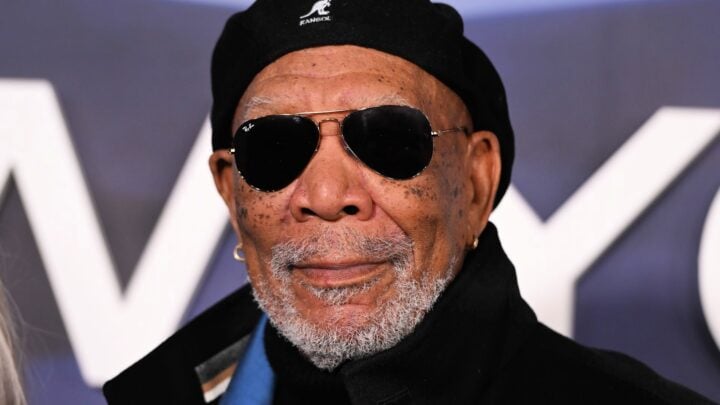
They say every age has its monsters. In the age of AI, the monster is your face and voice – yes, your face and voice – pressed, scanned, cloned, sold, reused, until you’re no longer you, but a branded ‘you’ : the image, the likeness, the sound. Let’s start with the gentle growl of outrage from one of the great voices in cinema: Morgan Freeman.
“Robbing me”: Morgan Freeman takes a stand
Freeman, 88, with that velvet-gravel voice we all recognise, is less than amused at being digitally lifted, cloned, borrowed and used. “I’m a little PO’d, you know. … Don’t mimic me with falseness. … If you’re gonna do it without me, you’re robbing me.”
He explains that his lawyers have been “very, very busy”. He lumps it all in with the union’s job: “The union’s job is to keep actors acting … so there’s going to be that conflict.”
What’s so striking is that this is the flip-side of the glamorous star narrative: your talent, your effort, your unique voice, your distinct diction – now digitised and re-used without your say-so. And yes, Freeman, that is robbing you. If Spotify had sneaked in your voice and said “thanks for your vocal cords, enjoy your share”, you’d be hopping mad. Here it’s just worse: there’s less visibility, more stealth.
Other big stars, other stories
Freeman is not alone. Take Tom Hanks. Hanks took to Instagram to warn his fans about scam-ads using an AI image/voice of him to promote miracle cures. “These ads have been created without my consent, fraudulently and through AI. … DO NOT BE FOOLED. DO NOT BE SWINDLED.” He noted the creeping fear: “I could be hit by a bus tomorrow … but my performances can go on and on and on.”
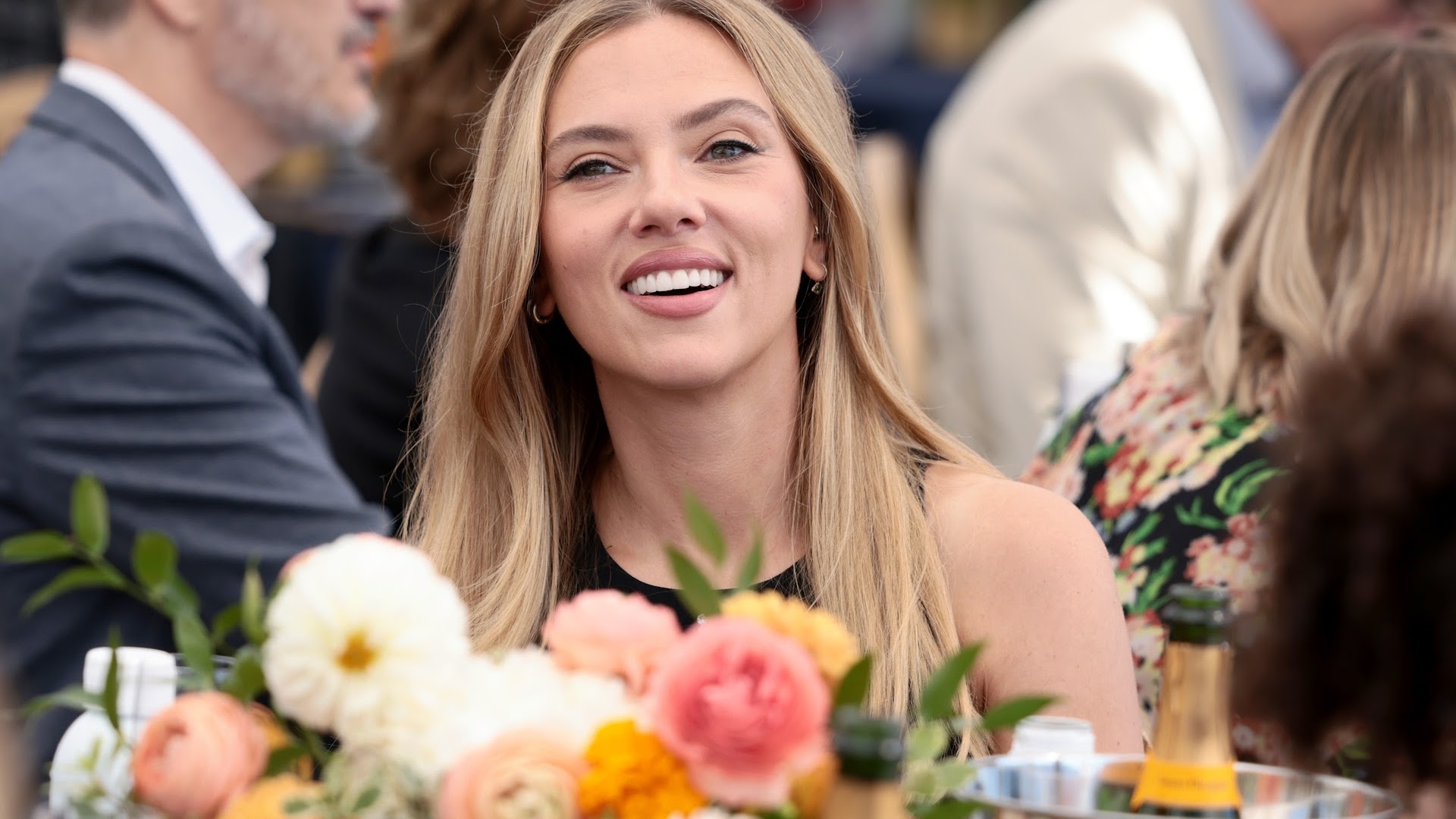
Then there’s Scarlett Johansson. She publicly objected to an AI chatbot voice that sounded “eerily similar” to hers, after declining to license her own voice. The issue: what do you do when somebody uses your sound, your likeness, but says “we’re not using you, just a model of you”? Ethics murk, legal waters muddy.
And a few names quietly doing deals, too: Matthew McConaughey and Michael Caine have signed with AI voice-company ElevenLabs to allow their voices to be cloned, but under their terms. McConaughey wants to translate his newsletter into Spanish via his synthetic voice. Caine speaks of “amplifying” voices, “not replacing humanity” by being in the marketplace. That raises a thorny question: is the problem AI per se, or consent plus who gets paid and how transparency works?
What’s actually going on
At its core: technology that can scan your face, recreate your voice, build an avatar or a voice-clone with alarming fidelity. Then companies or miscreants use them for adverts, promotions, deepfakes, fake endorsements. The celebrity complains. The public wonders. The contracts twist.
• Photo-likeness: people’s images being scraped and used in adverts or promos without permission.
• Voice-cloning: your speech, your intonation, your “voice-brand” replicated. Johansson, Freeman, Hanks all in the game.
• Legacy content: dead stars. The estates of Judy Garland, James Dean are involved in AI voice deals.
• Talent agencies trying to protect: e.g., Creative Artists Agency (CAA) offering “vaults” for storing digital assets, scanning faces/voices under the clients’ control.
Why this matters (and why we should care)
From the star’s side: you build a brand. Your face, your voice – they are your livelihood. If they’re copied without permission, you lose control. If they’re used for a dodgy product, your reputation suffers. If you’re replaced by a digital model, you might not get hired again. It’s the ghost of the working actor past.
From the public’s side: authenticity matters. There’s something unsettling about a face you recognise delivering a message you haven’t agreed to. It blurs trust. Who is the real witness? Who is endorsing what? And what if the AI version says or does something horrible?
From the legal side: personality rights, likeness rights, image rights – they’re all under strain. Technology leaps ahead; law scrambles behind. The contracts some actors sign are weak. The protections vary by jurisdiction. When you watch a clone of an actor pitching weight-loss tea, and they never signed off on it – who pays?
The bigger picture: a culture in flux
To borrow a phrase, we are living in the “clone era”. Where once you might have attended a celebrity event, now you might just “see” the celebrity everywhere—virtually, digitally, as an avatar, as a cloned voice. It’s disorienting. “This was me, but not me,” says the actor. “But you’re using me,” the copyright says back.
Consider the ironic twist: some stars embrace the new tech, see opportunities—McConaughey, Caine. Others recoil. Some plead for regulation. Some say: I’d rather have a deal than be left behind. Some say: I’ll resist, even if it costs me.
And yes, to sound like Giles Coren, here’s a provocative push: what if this is a class-war between the A-list and the day-players, the extras, the voices nobody recognises? Because while Freeman and Hanks are loud now, there are thousands of actors whose faces and voices are being cloned or under-contracted for peanuts. Scary.
That’s where the element of power emerges. Big name negotiators can demand control, but many cannot. The technology privileges the one who holds the contract, the clip, the scan. The rest might wake up to find their image in an advert for some miracle pill.
The inevitable question: what do we do?
Here are a few thoughts:
Consent matters – If actors don’t sign off, you’re trespassing their identity.
Transparent contracts – No “you give us your likeness for ever and ever for any use” deals unless you’re desperate.
Compensation – If your voice is being used, you should be paid.
Labeling/safeguards – If it’s an AI clone, the public should know.
Legal update – Laws need to catch up. Personality rights need 21st-century reinforcement.
Public education – Fans and consumers should be aware: yep, that face could be fake, your endorsement could be unauthorised.
Final word
So here’s the picture. Hollywood is in a tussle. The tech is dazzling, the potential massive. But the human cost – identity, agency, livelihood – is huge. Morgan Freeman says you’re robbing me. Tom Hanks is telling us “don’t be fooled”. Scarlett Johansson is irked. Others are quietly saying: we’ll licence this, we’ll control this.
But for the vast majority of working actors? The extras, the voices nobody remembers by name? This feels like the next frontier of exploitation. The tech isn’t waiting for consent. It’s scanning, cloning, distributing. We may all enjoy the spectacle when AI makes “new” Marilyn Monroe or “young” James Dean. But when your own likeness is the next asset to be commodified, it gets personal.
In short: AI might be the future. But if the future looks like your face, your voice, your identity being leased, resold and reused without your say-so, maybe it’s not the future you signed up for. And maybe it’s time the Hollywood star system stopped treating this as geeky tech and started treating it as labour and creative rights.





 Proudly Australian owned and operated
Comments 0
Join the conversation. Comments are reviewed before they appear.
Be the first to comment.
Join the conversation
Tell us who you are to post a comment. We'll remember you next time.