


Eggs have been a staple in the human diet for thousands of years thanks to their nutritious qualities and steady availability. The humble, yet versatile, egg is more than just a breakfast ingredient for poaching and frying – it forms the backbone of thousands of recipes and is a key ingredient in many of the foods we eat on a daily basis.
However, with society seeing a big push towards farm-to-table products, and people wanting to know where their food came from and if it was ethically sourced, choosing the right egg has never been more complicated.
Dozens of cartons line supermarket shelves boasting words like ‘free range!’ ‘barn laid!’ and ‘vegetarian-fed!’ but knowing what they mean and whether they’re living up to their claims can be difficult.
Here’s a breakdown of what those labels really mean, so that next time you go to buy your eggs you know exactly what you’re getting.
Free-range eggs come from hens that can roam and forage for food during the day but are housed securely in sheds at night. Under Australian Consumer Law, egg producers can run a maximum of 10,000 hens per hectare — that’s the equivalent of one hen per square metre.
Free-range eggs are generally more expensive than other types because of extra expenses required during production.
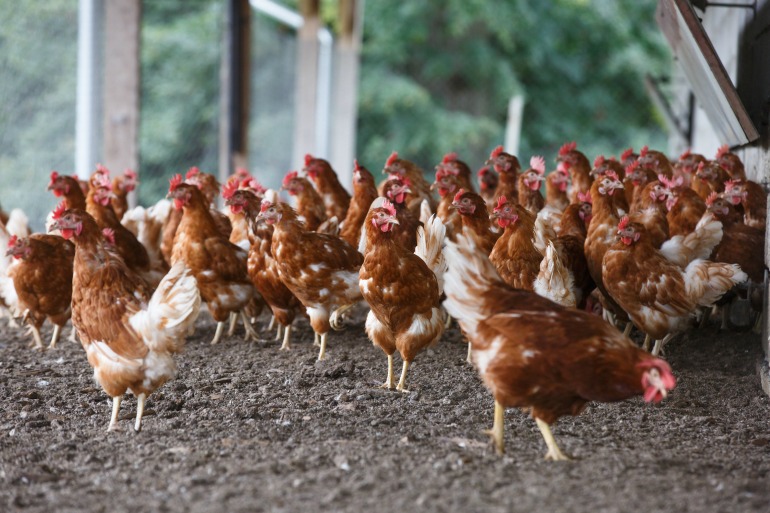
Barn-laid eggs come from hens that are housed inside large climate-controlled sheds, but because they’re free to roam the barn their eggs are sometimes labelled as ‘free range’. This is why it always pays to carefully read the label on the carton – even if it says free range, the hens that produced the eggs may have been kept locked in barns roaming the shed rather than the great outdoors. According to Australian Eggs, some farmers choose to keep hens inside sheds to protect them from predators and the elements.
The barns are designed so they can be easily cleaned and they are inspected daily. They have tiered shelves on the walls so that hens can perch throughout the barn and free up room on the floor. Eggs are laid in fitted nest boxes that are specially tiled so eggs roll out onto a conveyer below. Manure from the hens is also dropped onto a conveyer belt that moves it away from the birds to be used to fertiliser elsewhere.
Caged eggs come from hens that are housed in cages in a climate-controlled shed. Caged eggs have faced plenty of scrutiny in the past with animal welfare groups releasing confronting footage of thousands of hens packed into tight spaces, many of them sporting wounds and clear signs of trauma.
According to Australian Eggs, keeping the birds in cages eliminates the risk of predators and disease spreading, but the tight quarters (there’s typically three to seven hens per cage) can lead to fights between the hens. The backlash against caged eggs has caused some supermarkets to ban them from shelves.
Organic eggs are always free range and are free from hormones and antibiotics, meaning you’re getting an all-natural egg just as if you’d plucked it from the wild. Chickens on organic farms are fed certified organic feed and have access to pasture to roam freely during the day.
Australian standards require organic egg producers to have a current AQIS certificate to ensure organic practices are being maintained.
Pastured eggs are laid by chickens that spend their days roaming the pasture, with access to the sun, bugs and fresh air. Previous research suggests that pastured eggs may provide more omega-3 fats, vitamin E and vitamin A than caged eggs .
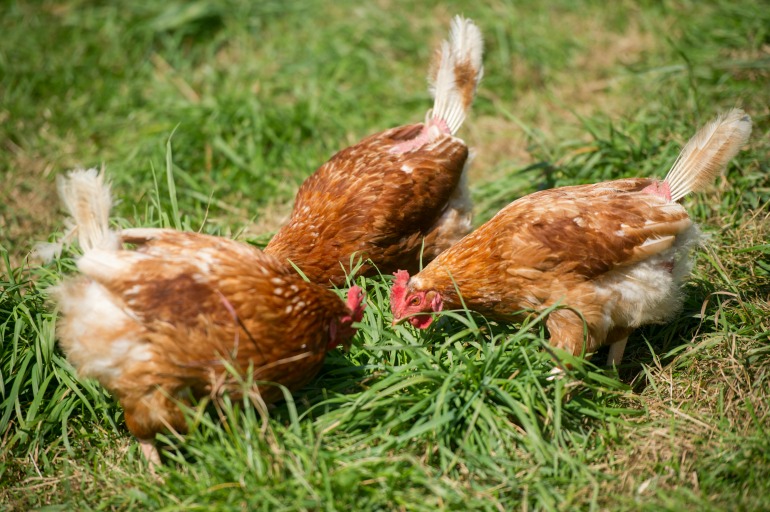
This one’s a bit of a head scratcher. Vegetarian-fed eggs are laid from hens that are only fed a vegetarian diet, but of course the eggs themselves are an animal product. They house no extra health benefits for humans and certainly not for the hens, which naturally consume small bugs and insects as part of a healthy diet. Some experts have suggested that forcing hens to only eat a vegetarian diet is cruel and in direct conflict with their natural instincts. Another important thing to note is that vegetarian-fed eggs are not necessarily free range, cage free or organic.
All eggs naturally have omega-3 fatty acids, but if you come across a carton that says Omega-3 eggs, it’s likely the hens are fed a diet rich in the fatty acid.





 Proudly Australian owned and operated