
Glynis Nunn: From Olympic Gold to a Life-Threatening Health Scare — and Still Giving Back at 65


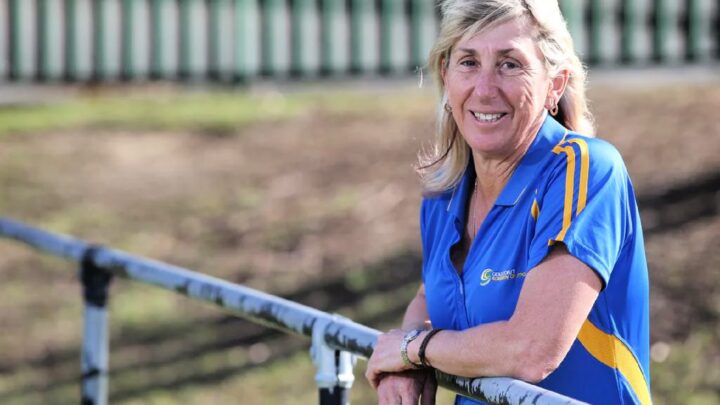
She went from a Toowoomba schoolgirl to Olympic glory and a unique position in Australia’s rich sports history and Glynis Nunn is still giving back to the sport she loves.
Add surviving a life-threatening health scare in her 60s and you have quite a life story.
“Unique” is an over-used word in sport but it can be applied to Glynis because she is the only Australian to have won an Olympic gold medal is a multi-discipline event _ in her case the heptathlon.
Now 65, Glynis stays active by coaching young athletes on the Gold Coast and managing a 15-acre (6ha) farm at Tamborine Village in the hinterland.
“We’ve got 19 sheep, six horses, chooks, dogs and a cat … it’s a real menagerie,” she said.
“I’ve had no real health issues since I turned 60; just three knee operations to repair the general wear and tear.”
Glynis brushes off a major health scare in 2020, not long after she passed the 60 milestone, when she was diagnosed with saddle pulmonary embolism _ a life-threatening blood clot that straddles the branching point of the main pulmonary artery, obstructing blood flow to the lungs.
“It started when I had some pain in my calf and I didn’t worry too much about it,” she said.
Eventually, she was convinced to see a doctor and referred to a specialist who ordered immediate scans.
“I just lit up like a Christmas tree. So, there were multiple blood clots in both lungs,” Glynis told Channel 9 at the time.
She spent four days in hospital being pumped full of drugs to break up the clots and will take blood-thinning medication for the rest of her life.
Apart from the farm, Glynis keeps busy at the Gold Coast Performance Centre where her squad carries the appropriate name of “Nunn Better”.
“I spend eight to 10 hours a week coaching,” she said. “Numbers vary, depending on who turns up on the day because they all have other commitments like school and jobs.
“The important thing for me is to see them enjoying themselves.”
Glynis has “recruited” a former heptathlon competitor Jocelyn Cubit, a member of the Tasmanian Sporting Hall of Fame, to join the coaching ranks on the Gold Coast.
“Jo is a lovely person and has her own group now, it’s great to have her here,” she said.
Glynis has also spends time coaching in India where former Australian Olympian Ian Campbell works in talent identification.
(Australians will remember Ian Campbell as the triple-jumper who was “robbed” of Olympic medal in Moscow in 1980 when several of his potentially winning jumps were disallowed because of dubious “foul” calls.)
“We are based in the north-west area of India, just below Mongolia in a state called Megahalya, where the people are smaller than most Indians,” she said.
In her usual style, Glynis is fairly blasé about the coaching in India but the Megahalya Sports and Youth Affairs department, which oversees the whole program is more effusive:
“Ms. Glynis Nunn – Olympic Gold Medallist, World Athletics Level 5 Coach & Director, Gold Coast Academy of Sport – addressed athletes on the importance of proper warm-up, injury care, and the role of cold rooms in recovery,” it said.
“Ms. Nunn urged coaches to think beyond the square, take responsibility, listen to their athletes, recognise and reward them, and understand the ‘why’ behind every drill.”
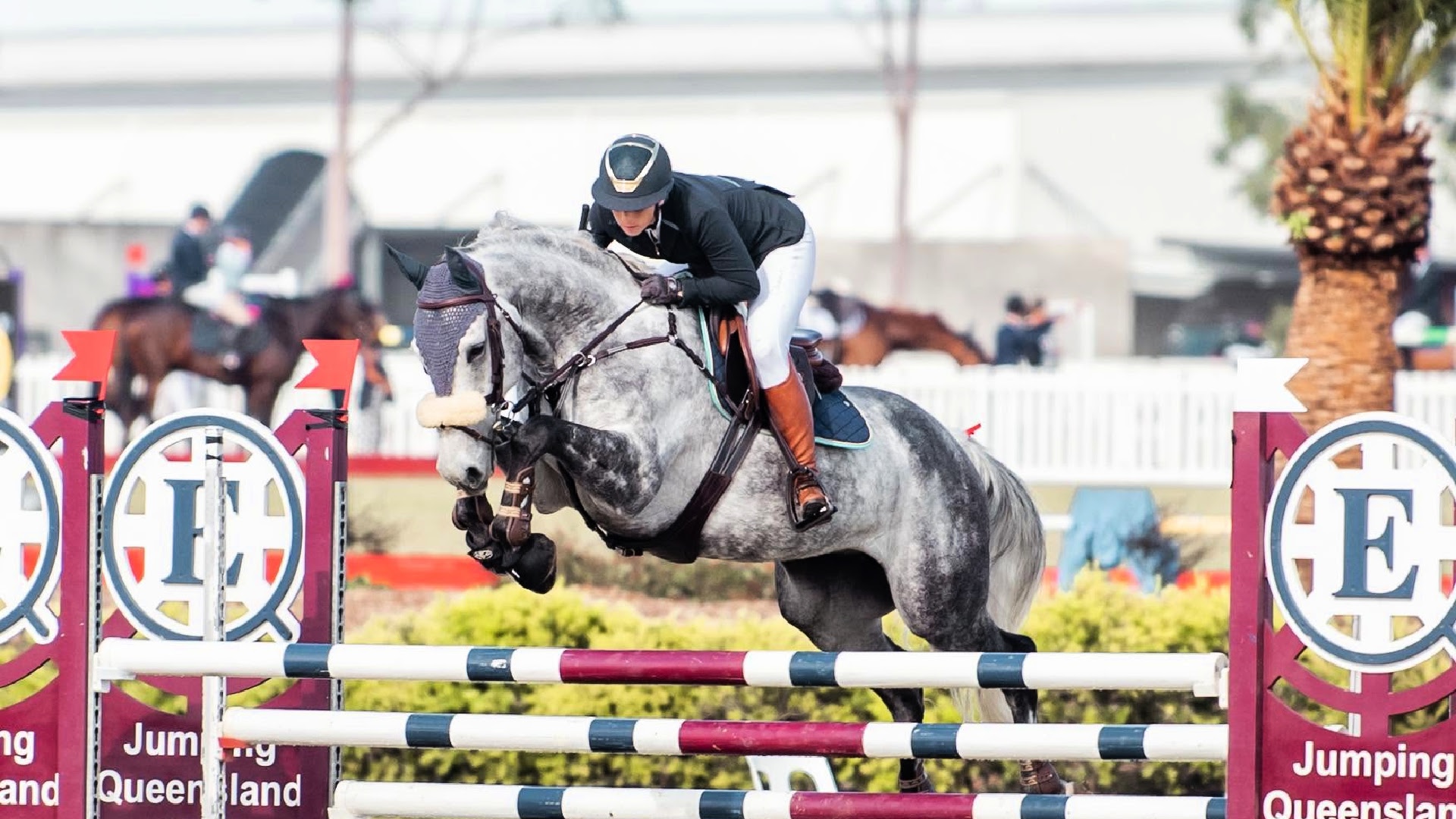
Glynis lives close enough to daughter Jess, a show-jumping champion, and son Blake, who won a soccer scholarship in the US before returning to play for Gold Coast United. Tragically, her step-daughter Jodie died from horrific injuries she received in the terrorist bombing in Bali in 2002.
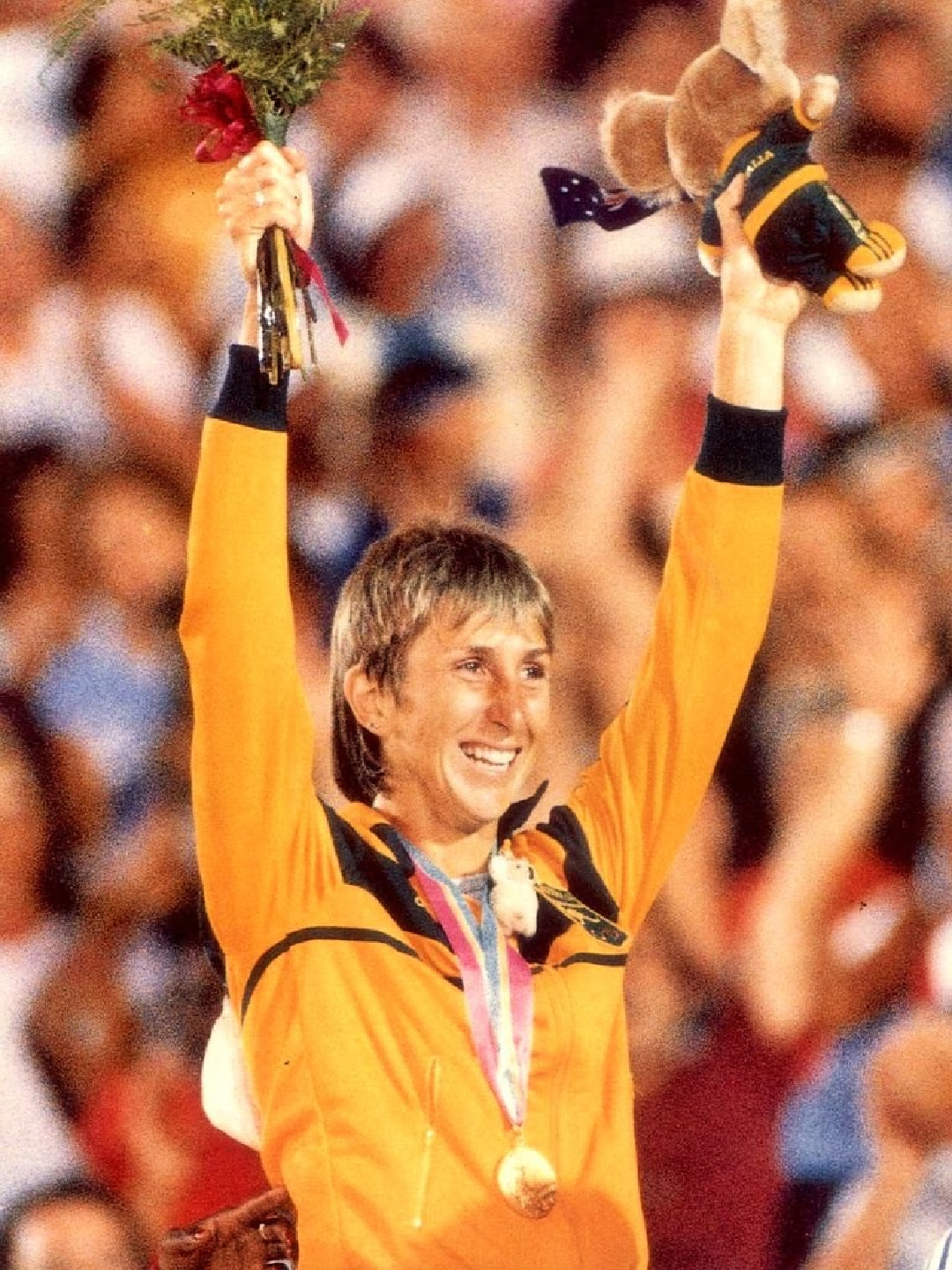
The Glynis Nunn story started in regional Queensland. She was born Glynis Saunders in Toowoomba in 1960 and kicked off in athletics at the age of nine.
By 1975, at 15, she was the Queensland State Secondary Schools champion in six events and a year later, she won the national junior long jump title with 5.86m and was second in the pentathlon with 3758 points.
In 1981, Australia adopted the heptathlon to replace the pentathlon and Glynis won the inaugural national title in Adelaide with 5554 points.
In 1982, Glynis married fellow athlete Chris Nunn and moved to South Australia. She and decathlete Chris were selected for 1982 Commonwealth Games in Brisbane.
In a great battle with Englishwoman Judy Livermore, Glynis won gold in the heptathlon.
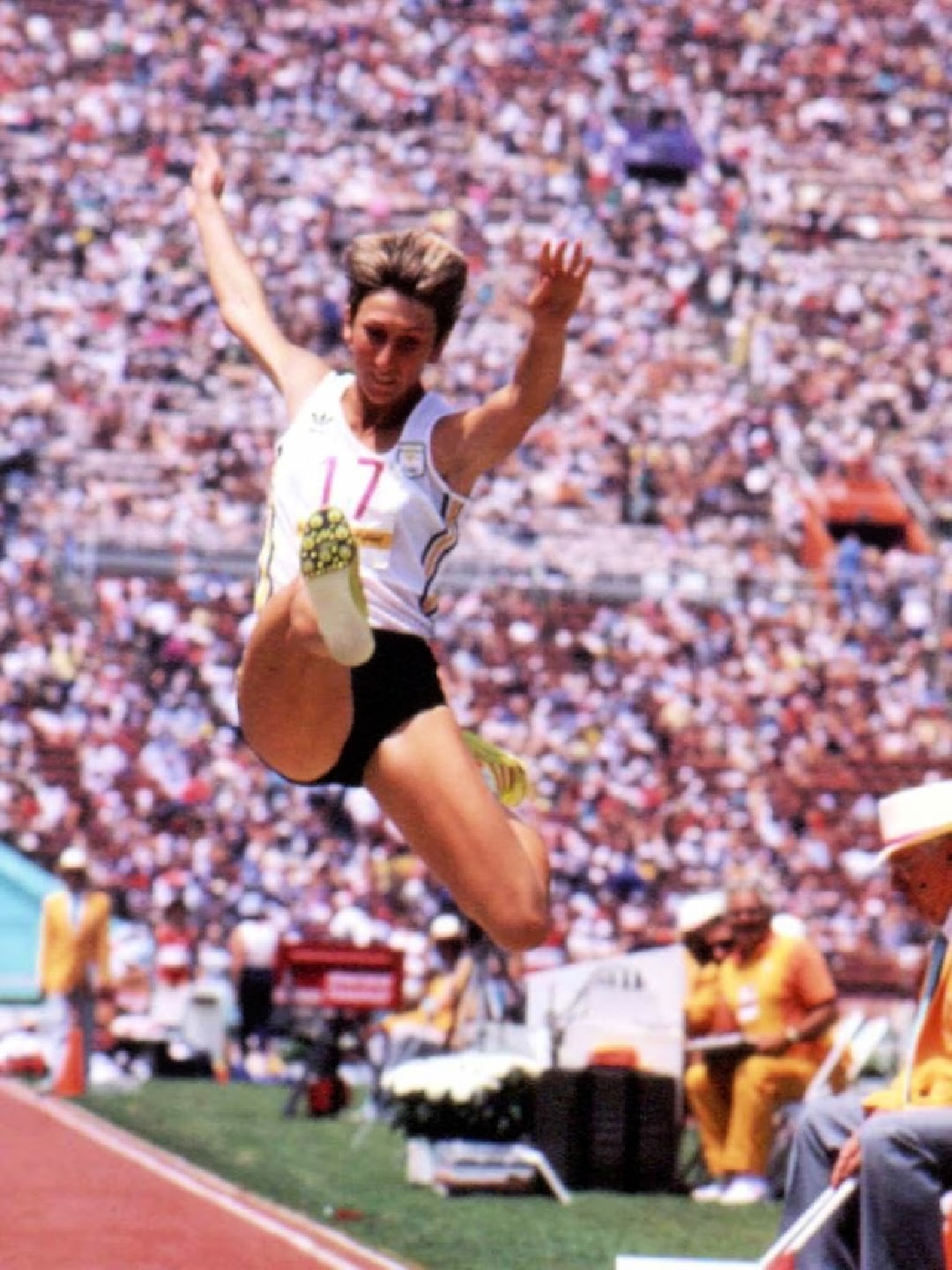
Australians old enough to remember the 1984 Olympics in Los Angeles will never forget an event few had watched before, the women’s heptathlon – a gruelling two-day test of stamina and skill covering seven disciplines, high jump, shot put, 80m hurdles, 200m sprint on day one and long jump, javelin and 800m on day two.
Rising US star Jackie Joyner and West German Sabine Everts were the favourites.
Glynis got off to a great start with a personal best 13.02 in the hurdles but dropped behind Joyner and was fourth after day one. A long jump of 6.66m put Glynis back in contention but her best attempt in the javelin of 35.58m left her 31 points behind Joyner.
It came down to an event Glynis says was probably her least favourite, the 800 metres. Glynis needed to beat Joyner by 2.25sec to win the gold. She ran another personal best of 2.10.57 to win by just five points.
She also finished fifth in the hurdles in 13.20 and seventh in the long jump with 6.53m.
Glynis was named Australian Sportswoman and Australian Sportsperson of the Year for 1984. The following year, she was awarded the Order of Australia the New Year’s honours list.
After retiring in 1994, after a few comebacks, Glynis moved into coaching and administration, filling key roles with the Australian Track and Field Coaches Association.
She was on the management and construction committee that built the Sports Super Centre at Runaway Bay on the Gold Coast and a coach on national teams, including to the World junior championships in Chile.
She has served as a national selector and on a range of national committees and is a life member of Athletics Australia and was elected to the IAAF Women’s Committee in 2003.
Glynis is excited by the state of Australian athletics with a host of young sprinters, jumpers and middle-distance athletes emerging but doesn’t give a lot of credit to the sport’s administration.
“It’s wonderful to see the number of athletes doing so well but I have to say it’s despite the way athletics is being operated in Australia,” she said.
“I’ve been annoyed, angry and disenchanted with the sport and walked away a few years ago. It’s sad.”
Throughout her career, Glynis gave away size and power to her rivals and needed to rely on technique to compete and that’s something she stresses to her young athletes.
“If I had had all the knowledge and equipment young athletes have now, I could have been awesome,” she says.
Sorry, Glynis, you were, and are, awesome.
Barry Dick was a journalist at The Courier-Mail and Sunday Mail for 43 years, before retiring in 2015. Most of that time was spent on the sports desk in a variety of roles including sports editor, digital sports editor, rugby league editor and chief rugby league writer. Barry was the first full-time Australian football writer for The Courier-Mail in 1973. Barry was inducted into the Media Hall of Fame on March 27 2017.





 Proudly Australian owned and operated
Comments 0
Join the conversation. Comments are reviewed before they appear.
Be the first to comment.
Join the conversation
Tell us who you are to post a comment. We'll remember you next time.