


By Noah Secomb
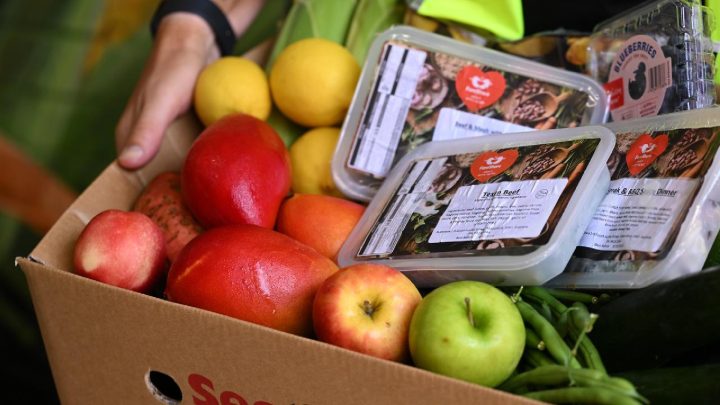
One in three Australian households have experienced food insecurity in the past year, Foodbank says, prompting calls for collaboration before it worsens.
More households are going hungry as rising fuel and cost-of-living pressures hit more Australians, according to a Foodbank Hunger Report.
One-third of all Australian households have reported skipping meals or being unable to access quality produce at some point in the past 12 months.
It’s a rate that appeared to be easing just two years ago and now represents more than 3.5 million households.
More households were falling into food insecurity than ever before, Foodbank chief Kylea Tink said.
“The gap between those that do have and those that don’t is getting wider and wider,” she told AAP.
“A working-family income is increasingly not able to stretch to provide all the food that people would expect to be able to provide for their families.”
In every corner of the country, 18- to 34-year-olds and couples with children are at increasing risk of falling into food insecurity.
Further economic pressures could make this worse as the Reserve Bank has projected higher unemployment in coming months and another interest rate rise a possibility.
Food insecurity was just one part of a series of crises facing Australian households, Ms Tink said, acknowledging that food relief agencies could not fix the root causes of hunger alone.
“If our federal government did raise the rate of youth allowance, the pension, the single parents payments, that would have a significant impact on the rate that food insecurity is being experienced,” she said.
“There is no magic bullet here.”
But there is one “bright light” in the hunger report.
School breakfast programs have seen real improvements in outcomes, particularly state government-supported schemes in NSW and Victoria.
It’s in this area that Ms Tink is pushing for direct funding from each level of government instead of “scattergun throwing cash into the wind”.
“A kid that is able to have access to a nutritious breakfast is more likely to turn up to school from the very beginning. They participate more effectively,” she said.
“The family has one less meal to worry about.”
Also check out Cost of living crisis forces Aussies to miss vital check-ups





 Proudly Australian owned and operated
Comments 0
Join the conversation. Comments are reviewed before they appear.
Be the first to comment.
Join the conversation
Tell us who you are to post a comment. We'll remember you next time.