
Find your own opal in Lightning Ridge, Coober Pedy and White Cliffs


You might have watched Outback Opal Hunters and seen the obsession bursting out of the Aussies on the hunt Noble Opals. For some, there’s nothing more absorbing, exciting and rewarding than turning over a dusty stone or digging into a tough part of Earth, wondering whether it holds that brilliant flash of colour. The next stop on the itinerary can wait.
In Lightning Ridge, Coober Pedy and White Cliffs, visitors can experience the thrill of opal hunting themselves. Each town has its own mining history, with opportunities to learn about the stones before trying a little fossicking.
These outback towns are rewarding places to unhitch and stay longer in the name of finding treasure you can have turned into a seriously impressive memento. Give yourself a few nights in each, with time for a mine tour between fossicking sessions. There’s plenty to enjoy when you’ve stopped digging…
Lightning Ridge: the lure of black opal
Lightning Ridge, in northern NSW, is renowned for black opal. The name refers to the stone’s dark background, against which its colours can appear particularly vivid.
For a great tour, book with Lost Treasure Opal Mine Adventure, where visitors can explore a working mine and fossick through spoil heaps. It’s a useful introduction to the patience behind the beautifully polished opals in jewellery that you’ll find in town. They don’t come out looking that way!
Keep your expectations modest. Finding a fragment is a more sensible goal than funding the rest of your retirement, and learning to recognise promising material is part of the pleasure.
Build in time away from the search, too. Lightning Ridge’s Chambers of the Black Hand contains sculptures carved into the walls of a former opal mine. It’s an extraordinary setting for an art gallery, with familiar characters appearing beneath the ground.
Above ground, John Murray Art Gallery will give you another perspective on outback life in Lightning Ridge. There’s a huge range of great art to explore and you might want to take one home with you as a momento.
Browse the local opal shops afterwards and ask about the origin of any stone that catches your eye.
Settle into a caravan park and explore from there. Having a base means you can spend a morning fossicking, then return to the van for lunch before another outing. The Lightning Ridge Outback Resort and Caravan Park is a beauty. The red dirt out there doesn’t get any redder, and the sunsets are amazing.
It has a wide range of accommodation options (air-conditioned, modern newly motel rooms), entertainment areas (the only onsite hotel bar in Lightning Ridge), a beer garden, a sunset watching area, outdoor swimming pool, BBQ and dining facilities.
Coober Pedy: learning to noodle
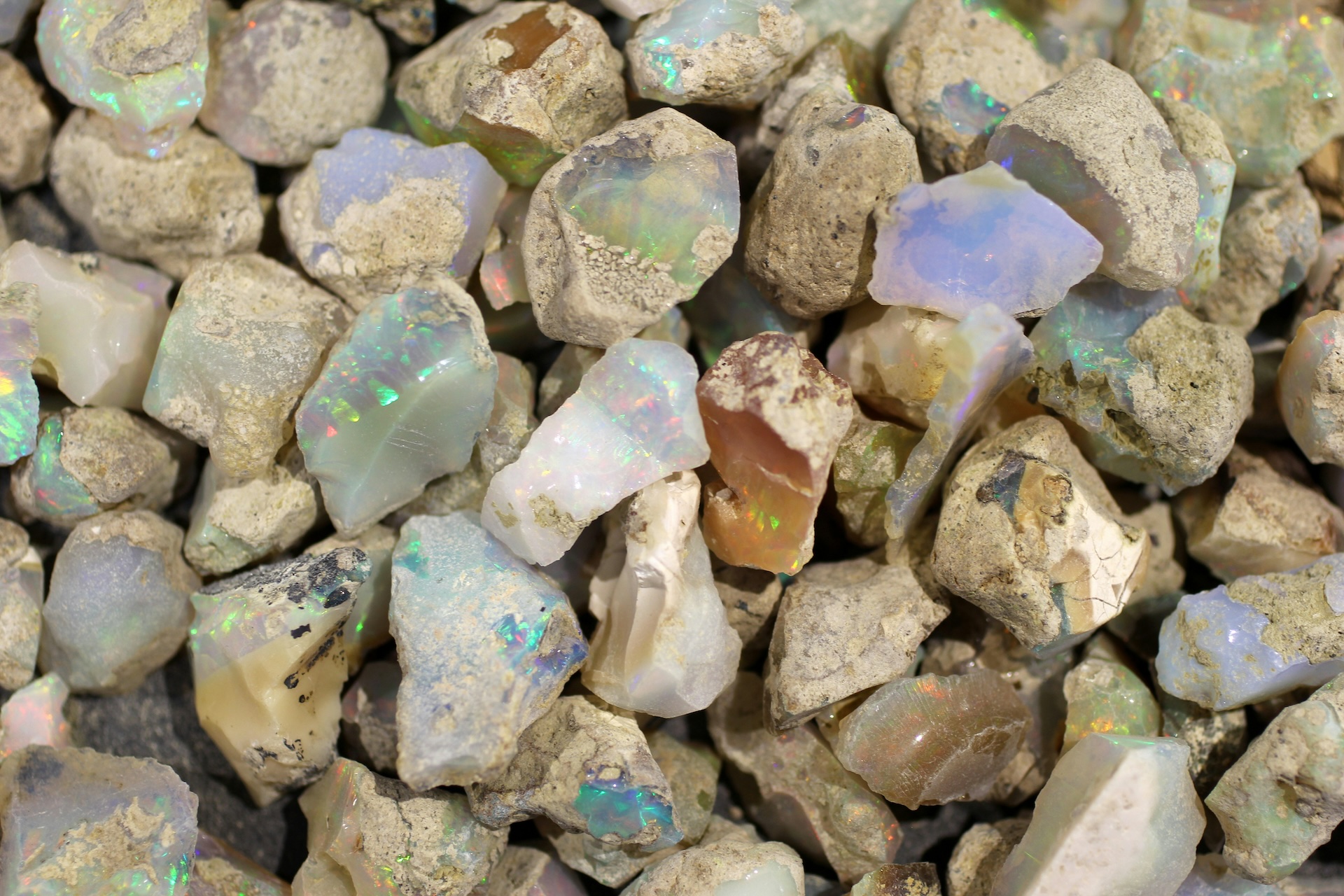
In Coober Pedy, South Australia, fossicking through discarded mining material is known as “noodling”. You search the mullock for pieces of opal that miners have missed.
To get a good grip on this character-filled outback town, head to the Old Timers Mine and Museum and fit in a visit to Tom’s Opal Mine, where you can chat to a local and buy yourself a piece of jewellery. Note that opal season is from April to September, as after that it gets too hot. So Tom’s re-opens around Easter.
At the Old Timers Mine, the story reaches back to hand-dug workings from 1916. Seeing the underground spaces helps explain the effort involved in following a promising seam. Tom’s offers guided tours explaining mining methods and the search for opal. Check current tour arrangements and noodling access before visiting.
There’s also a public noodling area on Jewellers Shop Road. Ask locally about its boundaries before settling in for a search. You don’t want to annoy the locals by digging on their land!
Get the lowdown on everything you need to know at Coober Pedy’s Tourism Information Centre – where you can get a permit if you need one. The staff will explain the difference between hand noodling from digging: using picks, shovels or other digging devices requires the appropriate permit. Keep to approved areas and obtain permission before entering any claim.
There’s a public noodling area on Jewellers Shop Road. But again, ask at the centre about its boundaries before settling in for a search. You don’t want to annoy the locals by digging on their land!
You’ll also encounter potch, common opal without the shifting play of colour associated with precious opal. A small colourful chip can be a satisfying souvenir, even if it will never become a ring.
For those travelling with a van, The Opal Inn offers a central base with laundry facilities and a water refilling station, and it has a great bistro with really good meals, and a great bar area with a pool table.
If you’d prefer a relaxing stay underground, book a couple of nights at the iconic Desert Cave Hotel and experience the town’s dugout lifestyle for yourself. It gets so hot out there, that 60 per cent of the population live underground. The restaurant and bar is awesome, the rooms are stylish, and you will never have a more quiet night’s sleep. Wave a hand in front of you at night and you won’t even be able to see it.
White Cliffs: a quieter search in a remote outpost
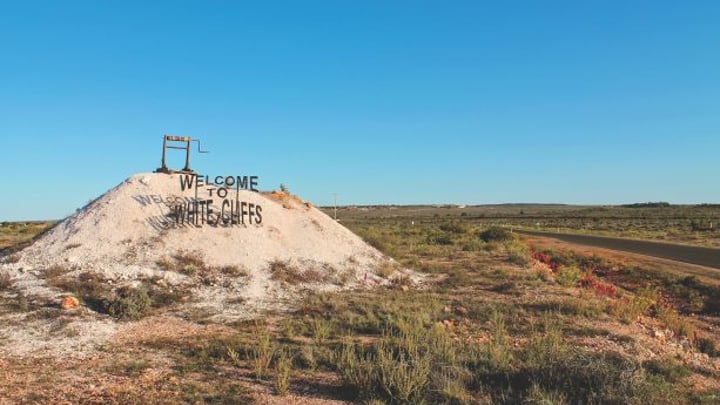
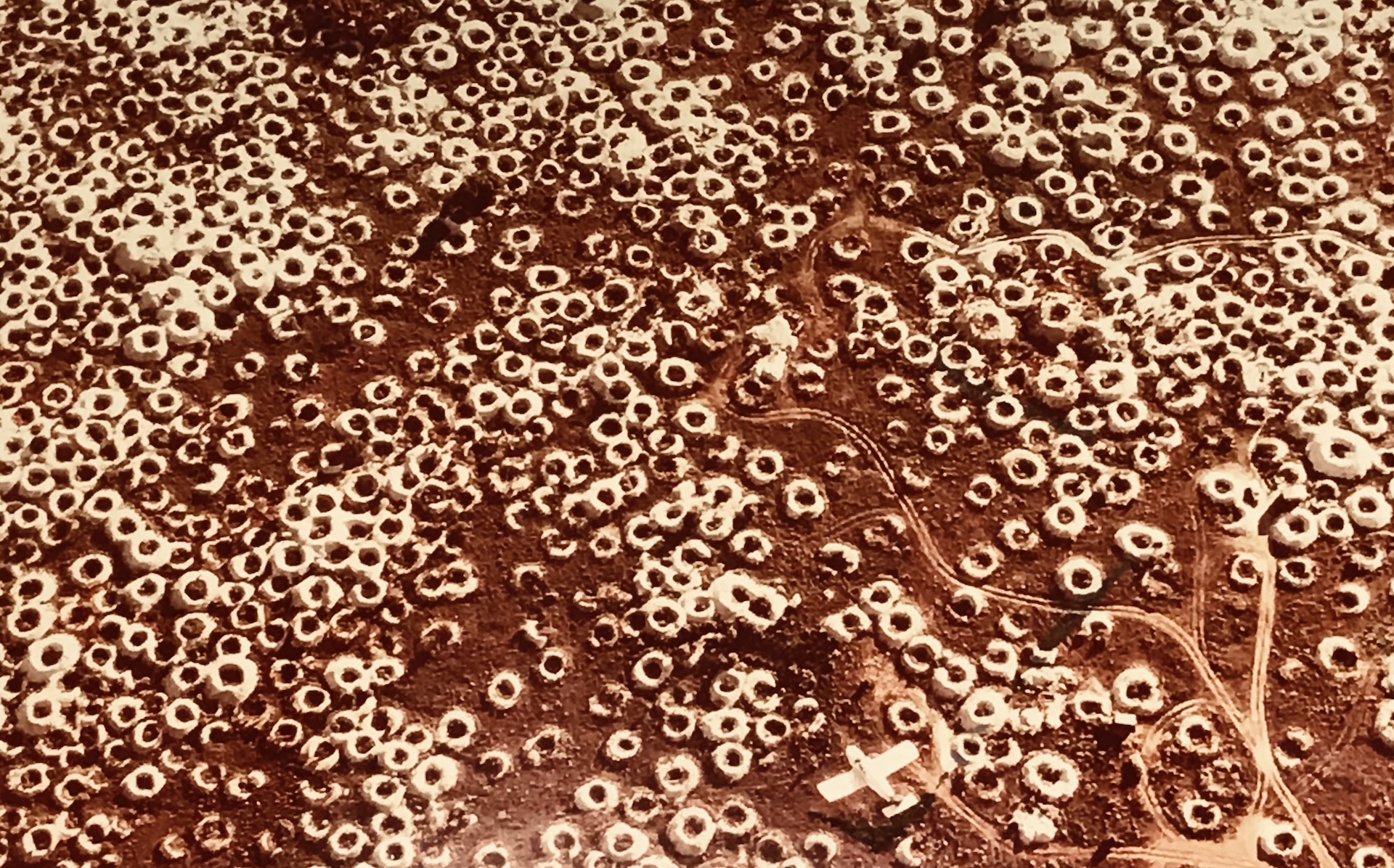
White Cliffs, in western NSW, has a surreal landscape shaped by generations of opal seekers. Pale heaps of excavated earth surround old workings, giving the country an unusual, almost lunar appearance.
You can’t visit this town without staying underground like 50 per cent of the locals. Stay at the White Cliffs Underground Motel for the real deal. It has a great bar and restaurant and is a short walk down the hill to the town’s centre and the local pub, where the locals will welcome you and tell you about life out this way.
White Cliffs is known for white opal and its remarkable “pineapple” specimens – clusters of opals named after their distinctive spiky shapes. The town’s long mining history makes a guided introduction worthwhile.
Red Earth Opal Mine Tours (REO) takes visitors into a family-owned working mine, with owner Graeme explaining the equipment and the effort involved in extracting opal. Graeme has been living and mining in White Cliffs for over 30 years, and his love for opal mining inspired him and his wife Sacha to develop REO in 2008 to support their five children. Graeme and Sacha, cut, polish and design pieces of jewellery with opals from their mine.
REO is also a cafe with homemade treats and tasty lunches, and a jewellery and gift store. In the show cases lining the walls, you can see priceless pineapple opals, and ones that retail for hundreds of thousands of dollars.
Graeme and Sacha can also provides advice about how and where to fossick. Rather than choosing an inviting-looking heap, establish where visitors are allowed to search and what permissions apply.
Getting ready and being prepared to noodle!
Plan outdoor fossicking for cooler conditions, and carry drinking water even for a short session. Sturdy enclosed shoes, sun protection and gloves are sensible additions.
If bending or kneeling is uncomfortable, ask operators whether material can be examined at a suitable height. Before booking underground tours, check the steps, walking surfaces and headroom. Conditions vary, and a quick conversation can help you choose an enjoyable outing.
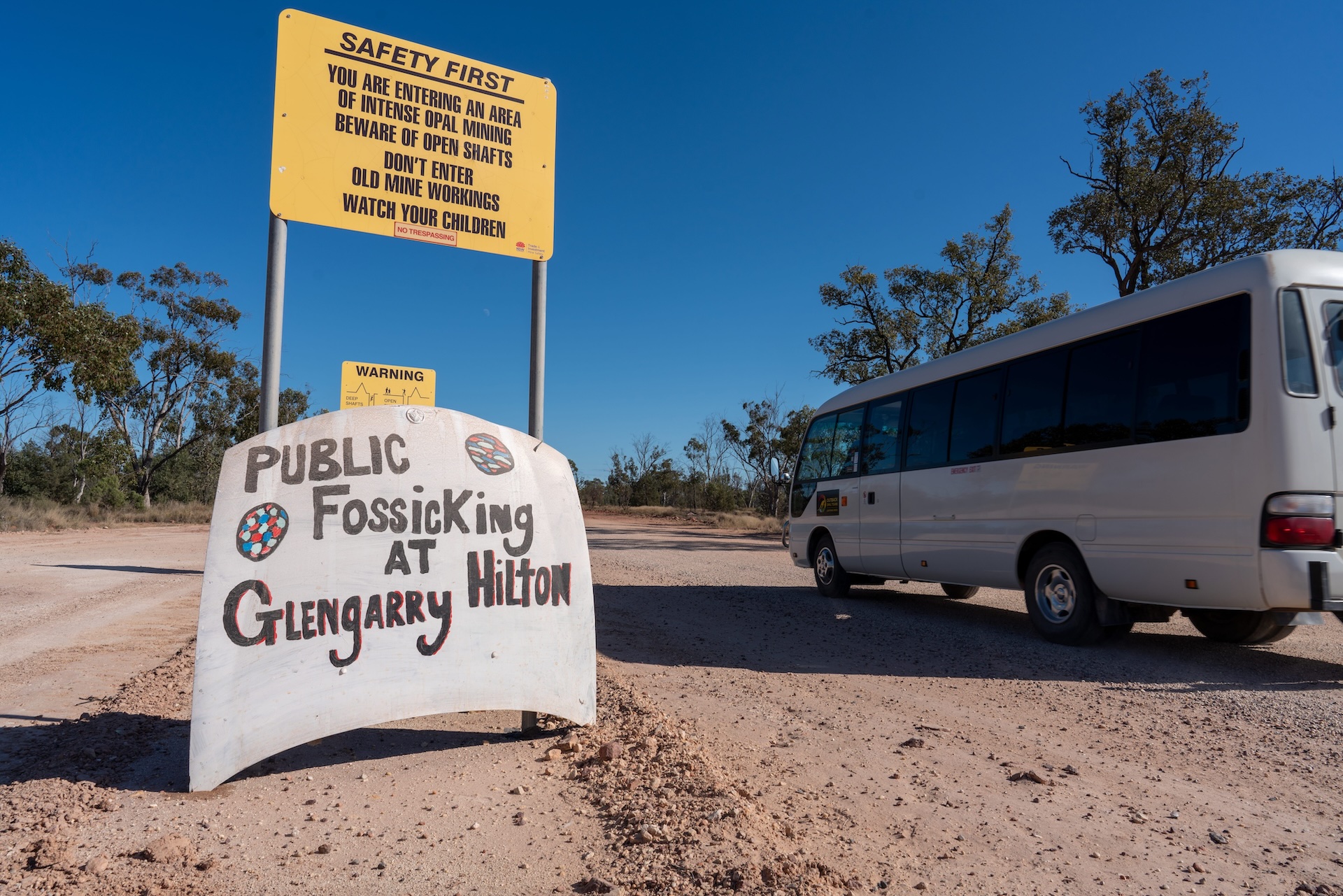
Mining country demands attention. Stay away from open shafts and follow local directions. Never assume an abandoned-looking working is safe to approach.
These towns are widely separated, so work them into a longer journey with rest days between driving days. Check road conditions and whether side roads suit your towing setup before leaving sealed routes.
If the fossicking doesn’t prove fruitful, head to one of the many (accredited) stores in town and buy a locally mined stone or a piece of handmade jewellery with an opal mined just down the road. Finding your own tiny opal though, is really rewarding, and it’ll no doubt be the piece you keep showing off to everyone later.
If you enjoyed this feature on opal fossicking, you might like our story on Bruce Munro’s installations in the outback.





 Proudly Australian owned and operated
Comments 0
Join the conversation. Comments are reviewed before they appear.
Be the first to comment.
Join the conversation
Tell us who you are to post a comment. We'll remember you next time.