
11 foods to eat in 2026 to help boost brain health


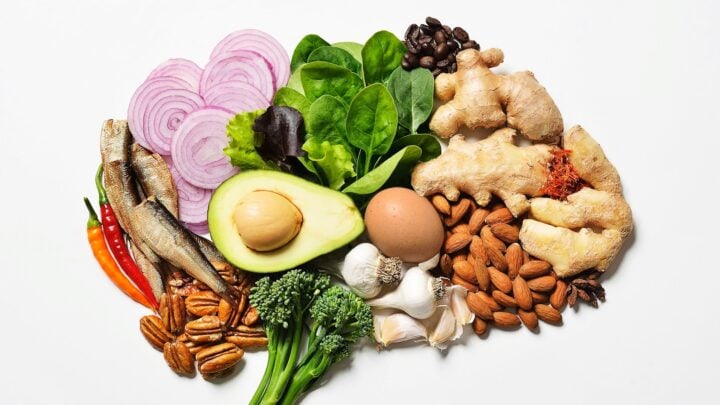
As we get older, most of us become more interested in keeping our brains sharp – not just for memory, but for concentration, mood and overall quality of life. The good news is that science consistently shows diet plays a powerful role in brain health, even later in life.
You don’t need supplements, superfoods flown in from overseas or complicated eating plans. What matters most is eating the right foods regularly – in sensible amounts – and making them part of your normal routine. Here are 11 science-backed foods to focus on in 2026, and how often experts suggest including them.
11 Foods That Support Brain Health
1. Oily Fish (Salmon, Sardines, Mackerel)
Oily fish are rich in omega-3 fatty acids, which are essential for brain cell structure and communication. Studies consistently link omega-3 intake with better cognitive function and a lower risk of cognitive decline.
How often: 2–3 times a week
Portion: About 100–150g per serve
2. Blueberries
Often called a “brain berry,” blueberries contain flavonoids that help reduce inflammation and oxidative stress in the brain. Research suggests they may support memory and learning.
How often: Most days
Portion: ½ to 1 cup
3. Leafy Green Vegetables
Spinach, kale and silverbeet are rich in vitamin K, folate and antioxidants linked to slower cognitive decline.
How often: Daily
Portion: At least 1 cup cooked or 2 cups raw
4. Extra Virgin Olive Oil
A key part of the Mediterranean diet, olive oil has been associated with better brain ageing and reduced inflammation.
How often: Daily
Portion: 1–2 tablespoons as your main cooking or dressing oil
5. Nuts (especially walnuts)
Walnuts resemble the brain for a reason – they contain omega-3s, antioxidants and vitamin E, which supports brain health.
How often: Most days
Portion: A small handful (about 30g)
6. Eggs
Eggs provide choline, a nutrient essential for neurotransmitters involved in memory and mood.
How often: 3–6 times a week
Portion: 1–2 eggs
7. Whole Grains
Whole grains provide steady glucose to the brain, helping with focus and concentration.
How often: Daily
Portion: 1–2 serves (wholegrain bread, oats, brown rice)
8. Yoghurt and Fermented Foods
Gut health and brain health are closely linked. Probiotics in yoghurt and fermented foods may support mood and cognitive function.
How often: Daily or several times a week
Portion: ¾–1 cup yoghurt or a small serve of fermented foods
9. Dark Chocolate
In moderation, dark chocolate provides flavonoids that improve blood flow to the brain.
How often: A few times a week
Portion: 1–2 small squares (70% cocoa or higher)
10. Beans and Lentils
Rich in fibre, protein and slow-release energy, legumes help maintain steady blood sugar — important for brain performance.
How often: 3–4 times a week
Portion: ½–1 cup cooked
11. Green Tea
Green tea contains compounds that may improve alertness and protect brain cells.
How often: Daily
Portion: 1–3 cups
There’s no single “brain food” that works overnight. What science tells us is that consistency matters more than perfection. Eating these foods regularly – in realistic portions – can help support memory, focus and brain health well into later life.
In 2026, the smartest approach may simply be eating well, often, and with enjoyment.





 Proudly Australian owned and operated
Comments 0
Join the conversation. Comments are reviewed before they appear.
Be the first to comment.
Join the conversation
Tell us who you are to post a comment. We'll remember you next time.