
10 ways Australia quietly changed around us



There was no official announcement. Not a siren, nor a dramatic moment where somebody stood at the edge of the country and declared Australia had changed forever.
It just… happened.
Slowly, quietly, with minimum fuss, year by year. One day you realised nobody carries cash any more and another you noticed children no longer ride bikes up and down suburban streets until dark. Somewhere along the way, airports stopped feeling exciting, and pubs started serving truffle aioli and no longer handed out bread rolls and butter.
Not every change has been bad.
Australia is more connected, more convenient and, in many ways, more comfortable than ever before. But ask many older Australians, and they will tell you the country feels different now in a faster, louder and somehow less personal way.
These are some of the small but powerful shifts people over 60 still notice every day.
Cash quietly disappeared
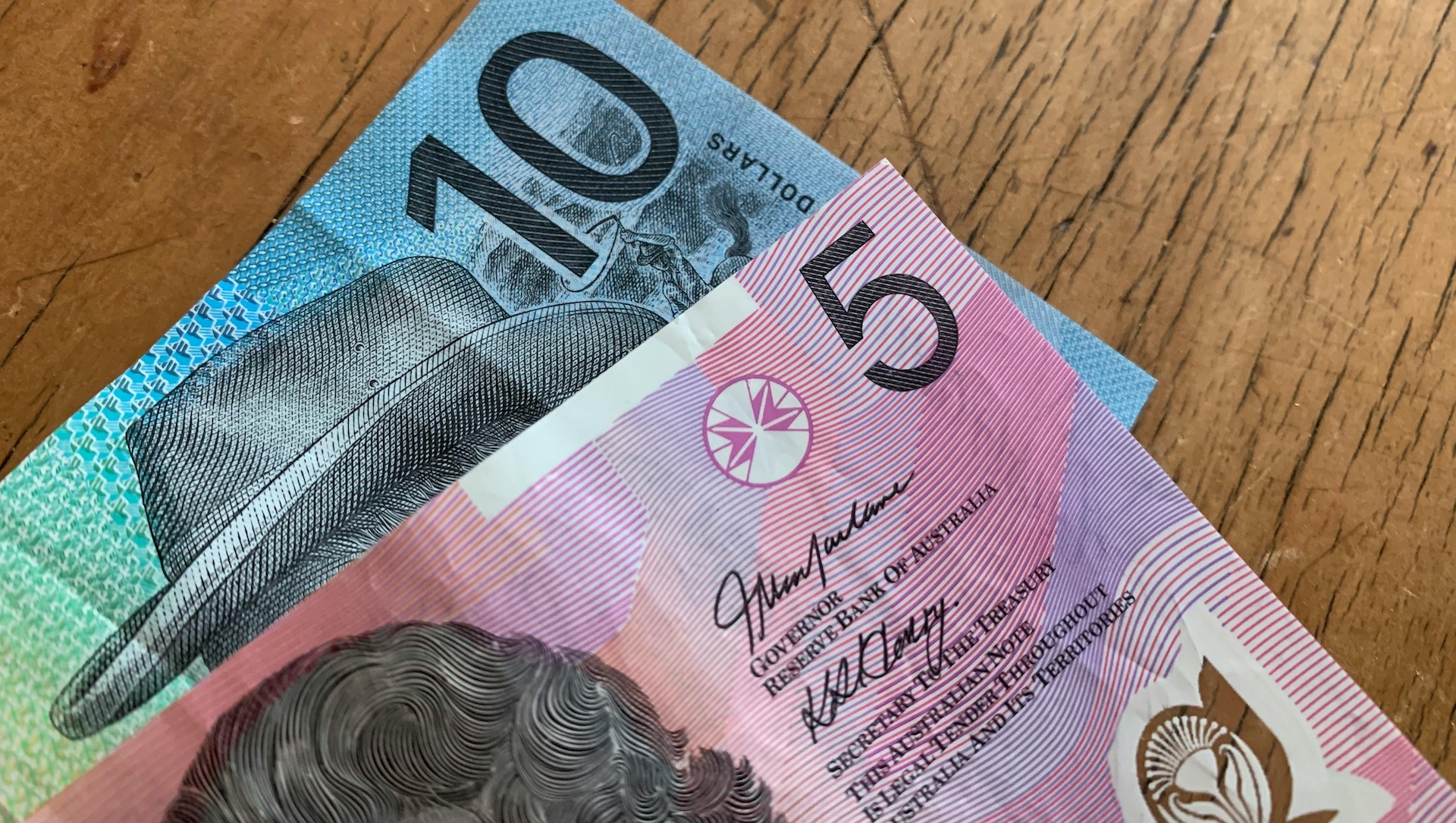
Not long ago, a folded $50 note could solve almost any problem. Cash sat in biscuit tins, wallets, gloveboxes and kitchen drawers, or in your bra. People paid tradies in notes, kids carried coins to the milk bar, market stalls rattled with loose change and school fetes survived on gold coin donations.
Now people tap phones to buy a coffee… and with interest on top and some cafés no longer accept cash at all (please, please don’t!). Even parking meters want apps and even charity tins increasingly carry QR codes.
For many older Australians, it is the speed of it all and not just the payment method. Transactions once involved small talk, eye contact and a moment of connection. Now they can feel almost invisible.
Call me old-fashioned, but there is still something oddly reassuring about hearing real coins hit a counter.

Silence became rare
Australia used to have more quiet in it.
You could hear it in suburban streets, especially on weekends: long stretches of stillness broken only by lawnmowers, a whipper snipper, magpies or the cricket commentary drifting from someone’s garage radio.
Noise follows people almost everywhere these days. So let’s break it down: phones ping, TVs constantly are on, supermarkets talk through screens, cafés pump music into every corner…. even people walking alone often wear earbuds, sealed inside their own soundtrack.
Older Australians often describe missing peace and quiet, and also the mental space. Those unfilled moments where you simply sat on the back step, watched the sky darken and let your mind wander, but these days, silence almost feels suspicious.
Flying stopped feeling glamorous
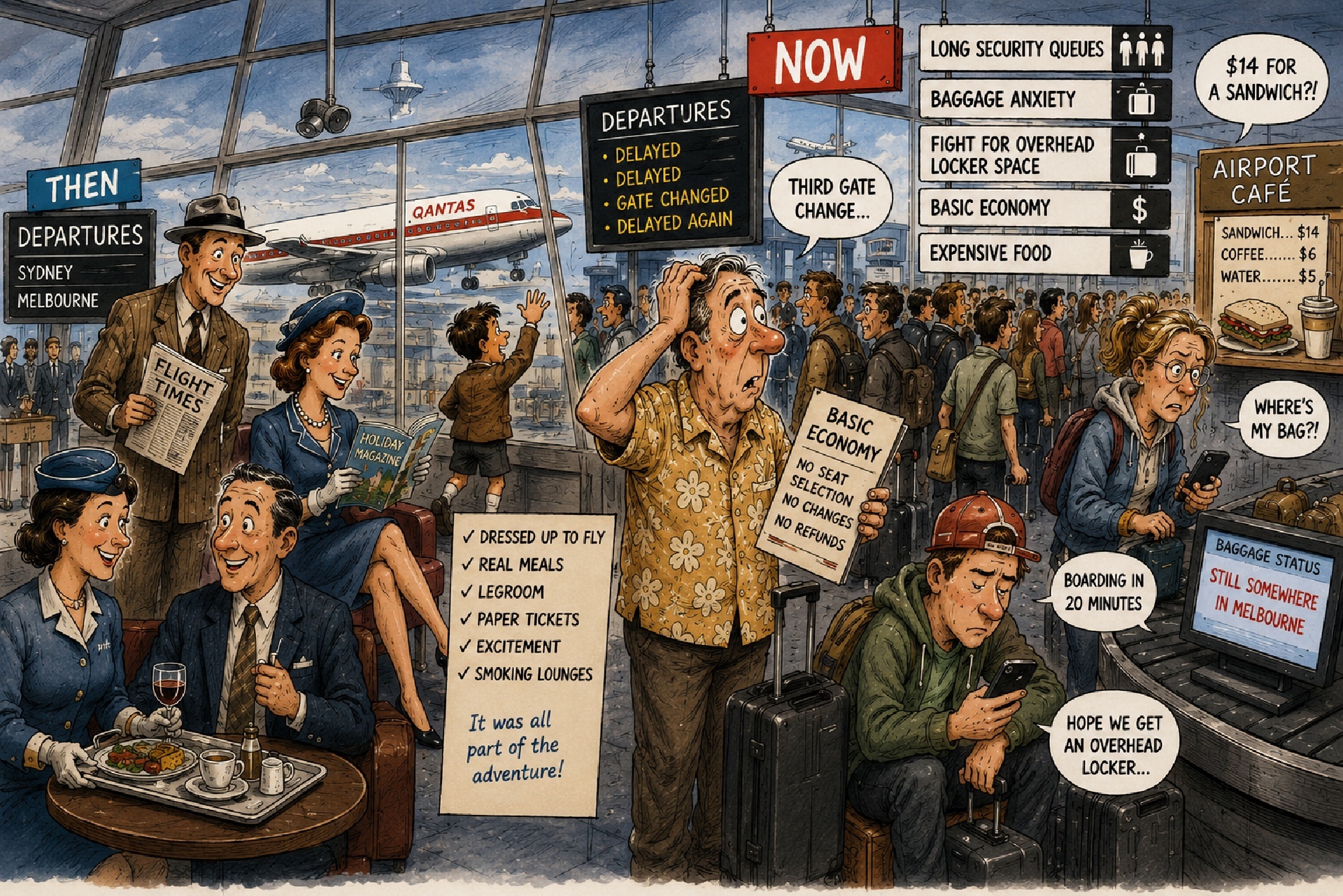
There was a time when flying felt special, where people dressed properly for airports and children pressed their faces against terminal windows to watch planes taxi, while meals arrived on trays with actual cutlery and you received a printed ticket and somehow trusted it would all work out.
For many Australians over 60, boarding a plane once carried genuine excitement and even a little elegance. But today, air travel often feels more like organised endurance.
Security queues snake through terminals, luggage allowances spark anxiety attacks, and how about those budget fares that come with hidden conditions?
Somewhere between the third gate change and the $14 airport sandwich, much of the glamour quietly vanished.

Service stations became mini shopping centres
Petrol stations once sold three things: fuel, oil and perhaps a questionable meat pie rotating under a heat lamp.
Now they resemble brightly lit convenience empires.
Modern service stations offer barista coffee, hot food counters, frozen desserts, parcel lockers, supermarket aisles and enough energy drink varieties to sustain a small festival. Some even feel more polished than the local corner store ever did.
Older Australians often laugh at how buying petrol somehow became a retail experience. You walk in for fuel and emerge 15 minutes later having been offered two-for-one chocolate bars, gourmet sandwiches and a loyalty app.
Kids disappeared from suburban streets
One of the biggest changes is not what people hear, but what they no longer hear.
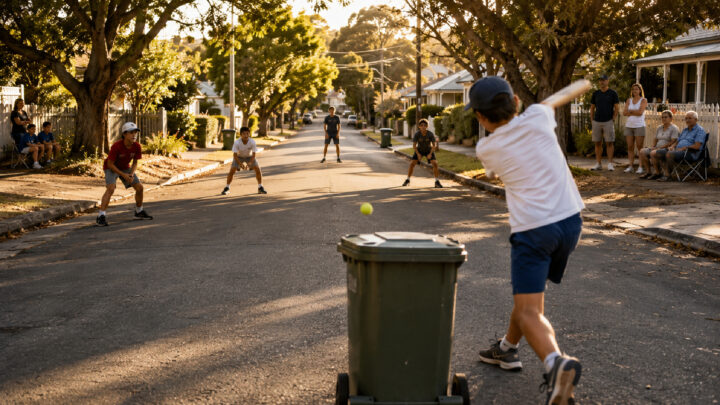
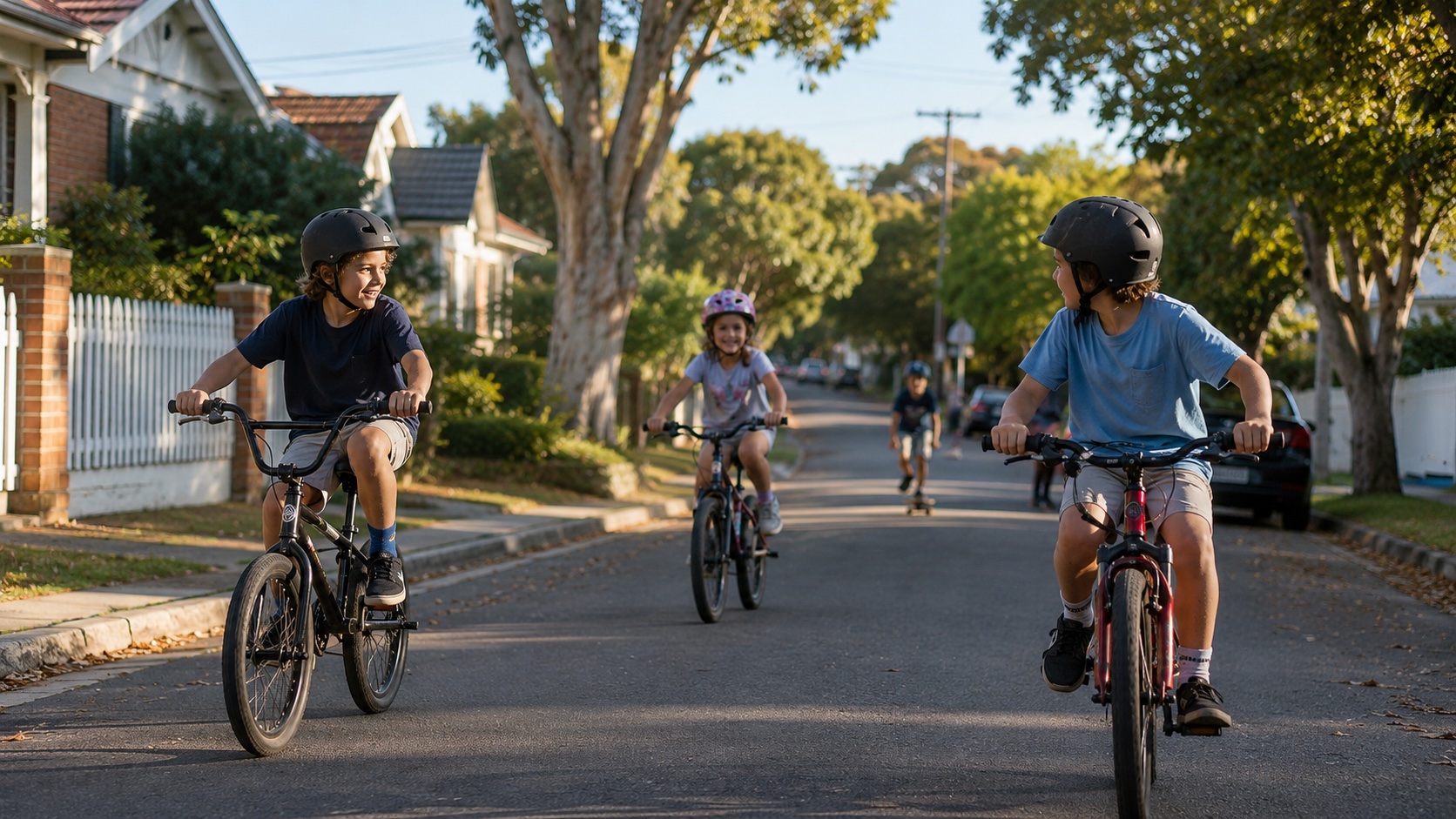
For generations, Australian suburbs echoed with children. Backyard cricket arguments. Basketballs bouncing on driveways. Bikes skidding around corners. The familiar call of parents yelling names from front porches as streetlights flickered on.
Kids built cubby houses, climbed fences (and scraped their knees) and wandered between neighbours’ homes without calendars or supervision apps.
Today many suburban streets are strangely quiet, even in good weather. Children are still busy, of course, but organised sport, indoor entertainment and screens have changed the rhythm of childhood.
Many people say they miss the soundtrack of neighbourhood life as much as anything.
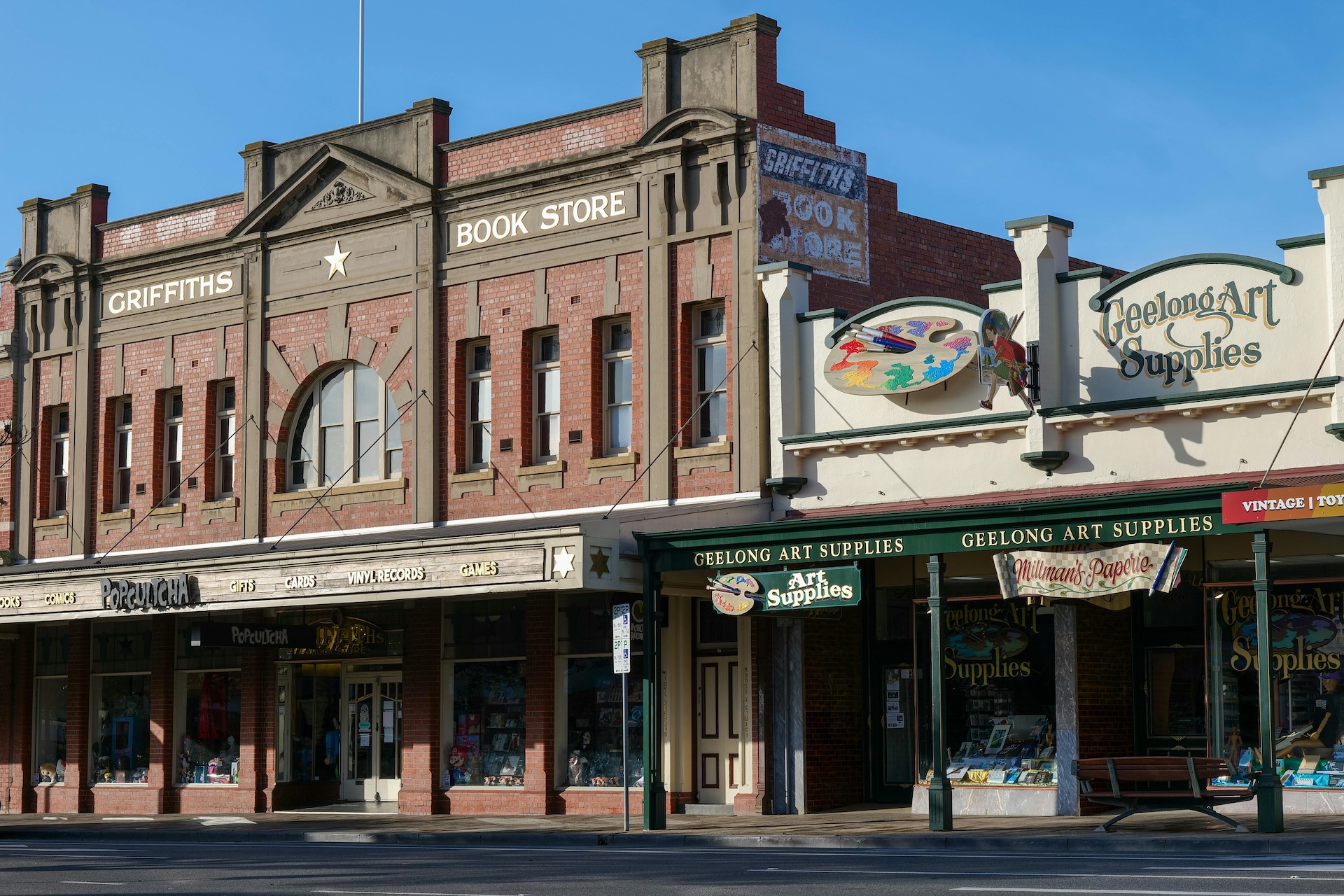
Main streets gave way to shopping centres
Country towns and suburbs once revolved around local shopping strips, a time when there was usually a butcher who knew your order and a department store somehow sold everything from school shoes to fishing rods.
Saturday morning shopping felt social when you bumped into neighbours, conversations happened naturally and Christmas windows became events in themselves.
Now many of those strips sit quieter while giant shopping centres dominate daily life.
Climate-controlled malls brought convenience, but also a strange sameness. One centre often feels much like the next and we often talk about missing the personality of local shopping… the feeling that a town had its own character rather than the same chain stores repeated everywhere.

Everybody looks down now
Tell me this isn’t just me? Perhaps no change feels more visible than this one.
Look around a café or waiting room and chances are most people are staring at screens. Entire groups can sit together in silence, lit by the glow of separate phones.
And it isn’t just younger generations either. Grandparents now check Facebook notifications and text messages just like everyone else.
Technology has undeniably improved life in countless ways. Families stay connected across continents, information arrives instantly, and photos no longer sit undeveloped in drawers for six months. But many older Australians still notice how conversation itself has changed.
Waiting used to invite interaction, but now it usually invites scrolling.

Handwritten letters almost vanished
Once upon a time, checking the mailbox carried possibility… letters arrived from interstate relatives, pen pals, old friends or travelling family members. Birthday cards often contained pages of handwritten messages, and recipes were copied carefully onto lined paper and passed between generations.
Even bills somehow felt more personal than automated emails. Today, most mailboxes contain little beyond catalogues and delivery notifications.
Communication became instant and disposable.
Older Australians often speak about how handwriting carried personality, when you could recognise somebody immediately from the shape of their letters or the pressure of their pen.
A text message may arrive faster, but it rarely carries the same emotional weight as a handwritten note tucked inside an envelope.

Pubs changed with the times
Australian pubs have evolved dramatically.
The old local often featured sticky carpet, simple counter meals, raffles, and a bloke in the corner quietly feeding coins into a jukebox.
Nobody called food “share plates” and beer came in familiar glasses. And if the pub had a pianist on a Friday night, there was every chance the whole room would end up singing.
Modern pubs are brighter, trendier and often far better designed. Menus now feature craft beer pairings, gourmet burgers and QR-code ordering systems. Again, not necessarily worse. Just different.
For many older Australians, pubs once felt less curated and more communal, places where nearly everybody in the room knew somebody else.

Neighbourhoods became busier — but less connected
Australia’s suburbs are fuller than ever.
More cars line streets and more apartments rise where weatherboard homes once stood. Traffic appears in places that once felt sleepy and spacious.
Yet many people say neighbourhoods can feel oddly less connected.
There was a time when neighbours borrowed sugar or an egg, watered each other’s gardens and chatted casually over back fences. The kids wandered freely between nearby homes and everybody seemed to know whose dog belonged where.
Today people often know less about those living directly beside them as life became busier, work hours stretched, screens got in the way and communities grew larger but, in some ways, less personal.
And perhaps that is the thread connecting many of these changes.
Australia simply became faster, denser and more digital.
Not every change deserves mourning as plenty brought progress, convenience, efficiency and opportunity. But for many over 60s, there is still a quiet longing for some of the slower rhythms and small everyday rituals that once made life feel just a little more connected.





 Proudly Australian owned and operated
Comments 0
Join the conversation. Comments are reviewed before they appear.
Be the first to comment.
Join the conversation
Tell us who you are to post a comment. We'll remember you next time.