
New test provides hope for menopause ‘tunnel of chaos’


By Emily Woods
Almost every hour, an Australian woman dies from heart disease.
Cardiovascular disease is the leading cause of death for Australian women, and risk increases with age, yet the impact of menopause on heart health is poorly understood.
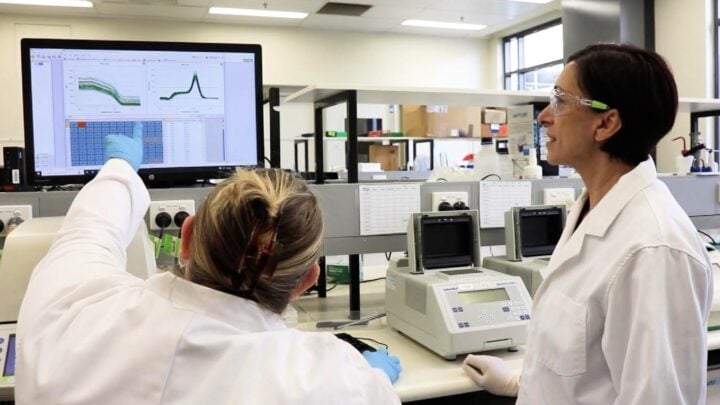
A team of researchers are now working to develop a test to identify if a woman is at high risk of developing cardiovascular disease.
The project is led by Heart Research Institute Professor Mary Kavurma, who is personally invested in helping develop better research on menopausal transition.
“You’re as healthy as your blood vessels, and your blood vessel function declines during the menopausal period,” she told AAP.
“One of the reasons why I went into this is because I’m perimenopausal, and I just thought, ‘wow there’s nothing known’.”
Even though women accounted for half of cardiovascular hospitalisations and deaths, their heart health remained under-researched and under-prioritised by clinical trials, she said.
“The majority of the interventions have really been tailored to men, and not necessarily to women’s unique risk profiles and symptoms,” Prof Kavurma said.
Menopausal transition, between the ages of 45 and 55, could provide a critical window to prevent cardiovascular disease later in life, she said.
Women experience falling oestrogen levels during this time, hot flushes, night sweats, rising blood pressure and changes in fat distribution, which she said all related to blood vessel function.
“This demands vigilant monitoring and timely intervention, so that we can alter the trajectory of future cardiovascular disease,” Prof Kavurma said.
Hazel Dalton, from Orange in regional NSW, has been experiencing perimenopause symptoms since 2024, including brain fog, anxiety, bone density issues and high cholesterol.
“It really is like a tunnel of chaos,” the 52-year-old told AAP.
“It’s been a ride of just lots of different things happening, that you then realise all connect.”
Dr Dalton, a rural health researcher, hopes the project will lead to better treatment options, as she says medicine currently looks at perimenopausal symptoms in isolation.
“It’s about building evidence and understanding of what’s happening biologically for women, so when we look at clinical advice and treatments, they’re much more tailored to an actual understanding of the distinct biological differences between men and women.”
Women in pre, peri and postmenopause are being recruited to participate in the clinical study, where their blood vessel function will be measured to look for changes to help develop a diagnostic test to detect early arterial dysfunction.
Prof Kavurma estimated preventing heart disease in 20 per cent of at-risk Australian woman could avoid 56,000 hospitalisations each year, and save about $400 million in healthcare costs.
The project will also look at reducing incidents of atherosclerosis, stroke, and peripheral artery disease, and investigate menopause among First Nations women, who face heightened cardiovascular risk.
Funded by a $3 million federal grant, the initiative brings together researchers and clinicians from Jean Hailes for Women’s Health, Sydney Local Health District, the Victor Chang Cardiac Research Institute, Baker Heart and Diabetes Institute, as well as Sydney, La Trobe and Monash universities.





 Proudly Australian owned and operated
Comments 0
Join the conversation. Comments are reviewed before they appear.
Be the first to comment.
Join the conversation
Tell us who you are to post a comment. We'll remember you next time.