
Murraya (Mock Orange) Care in March: Pruning, Planting, Feeding & Autumn Tips


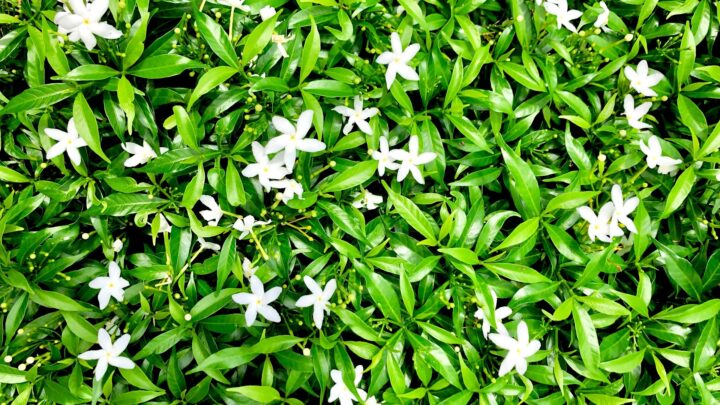
As we coast into autumn here in Australia, one of the quiet achievers of the suburban garden is putting on its last big show for the season – Murraya (Murraya Paniculata) or commonly known as orange jasmine or mock orange.
If your garden has been filled with sweet citrus perfume over summer, you’ll know exactly what I mean. You will either love that heady bloom of perfume, like I do, or you will hate it. It can play havoc with your sinuses if you are prone to plant allergies.
Late Summer Flowering: Enjoy It While It Lasts
Murraya typically flowers in flushes from spring through summer, producing clusters of creamy white, star-shaped blooms followed by small red berries. In warm parts of Australia, particularly in Queensland and New South Wales, it can flower almost continuously in ideal conditions.
As we head into March, flowering may begin to slow, especially in cooler southern areas. The plant is beginning to shift its energy away from peak bloom and into steady growth before winter.
If you are planning to plant a Murraya, whether it’s a single plant or a hedge, autumn or early spring are the best times to plant. They love full sun to part shade and thrive in fertile, well-drained soil. When planting a hedge, make sure you leave 50 – 80cm between trunks (for air flow) if you are growing a low hedge (ie dwarf variety) or 1 – 1.5 metres between trunks for a tall screening hedge.
When planting it’s also best to dig a hole twice as wide as the root ball and mix in compost to give it a good start. Water throughly of course and throw on some mulch to keep in the moisture.
For established Murraya – here’s what you need to do now:
1. Light Pruning (But Don’t Go Too Hard)
Early autumn is a good time for a tidy-up prune.
Trim back leggy growth.
Shape hedges lightly.
Remove spent flower clusters if they look untidy.
Avoid a heavy cut-back right now. Major pruning is better done in late winter or early spring once the risk of cold damage has passed. A harsh prune heading into cooler weather can leave fresh growth vulnerable.
If you’re growing Murraya as a hedge, this is your chance to maintain that crisp outline before growth slows.
2. Feed gently.
March is your last real opportunity to feed before winter dormancy.
Use:
A slow-release balanced fertiliser, or
A citrus fertiliser (Murraya belongs to the citrus family and responds well to similar nutrients).
Avoid high-nitrogen liquid feeds at this time of year, you don’t want to push soft, sappy growth just before temperatures drop.
3. Check Watering
As temperatures cool, reduce watering slightly. Murraya prefers consistent moisture but dislikes soggy roots.
In:
Warm climates: Continue regular watering.
Cooler southern regions: Begin spacing out irrigation as growth slows.
Always adjust based on rainfall – autumn storms can do the job for you.
4. Watch for Pests
Late summer can bring sap-sucking pests such as:
Aphids
Scale
Citrus psyllids
Inspect new growth and the undersides of leaves. A blast of water or horticultural oil usually keeps problems under control.
Should You Expect More Flowers?
In warmer regions, yes, you may get another flush before winter.
In cooler areas like Victoria or South Australia, flowering will likely taper off soon, with growth slowing significantly by late autumn.
The good news? Murraya is tough. Even if it looks a little quiet over winter, it will surge back with glossy green growth and heavy flowering once spring warmth returns.
A Final Tip: Don’t Forget the Fragrance
If you have Murraya near pathways, windows, or outdoor seating areas, March evenings are often still warm enough to enjoy the scent. Take a moment to appreciate it before the cooler air arrives, it’s one of the great sensory pleasures of the Australian garden.





 Proudly Australian owned and operated
Comments 0
Join the conversation. Comments are reviewed before they appear.
Be the first to comment.
Join the conversation
Tell us who you are to post a comment. We'll remember you next time.