
Most Older Australians Fail a Basic Osteoporosis Test — And Don’t Even Know They’re at Risk


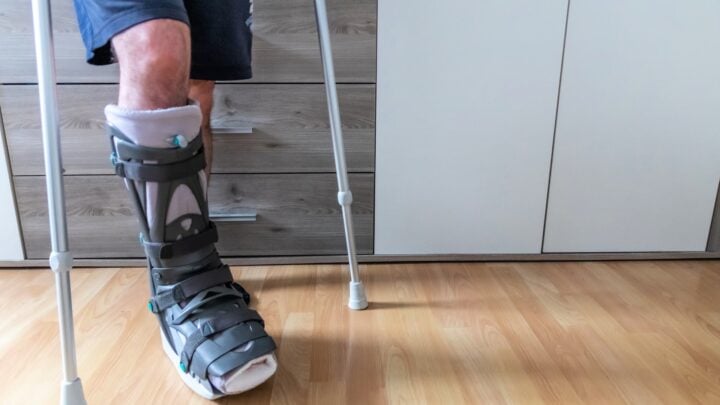
If you were asked to sit a test on bone health tomorrow, new research suggests you’d likely fail it – and you’re far from alone. A major Curtin University study has revealed a genuinely concerning gap in what older Australians know about osteoporosis, a condition that already affects millions of us.
Just how many Australians are affected?
According to Healthy Bones Australia’s most recent Burden of Disease analysis, 6.2 million Australians aged 50 and over, or 67 per cent, were living with osteoporosis or osteopenia (reduced bone density) in 2023 – a 34 per cent increase since 2012. That figure is projected to climb to 7.7 million by 2033. In 2023 alone, Australia recorded an estimated 193,482 fractures related to osteoporosis and osteopenia, a toll expected to rise by a further 34 per cent within the decade.
The human stakes are significant: 1 in 2 women and 1 in 3 men over 60 will experience an osteoporotic fracture in Australia, and once someone has had one fracture, they face roughly double the risk of having another. Despite this scale, the condition remains substantially underdiagnosed – one Australian study of adults aged 77 to 86 found only 17 per cent of women and 7 per cent of men at high risk were ever referred for a bone density scan.
What the new research found
Against that backdrop, the new Curtin University study, involving more than 1,400 Australians aged 50 and over, found a startlingly low level of bone health knowledge – participants scored just 29.5 out of 100 on a test of osteoporosis knowledge.
The biggest gaps were around exercise. More than half of participants couldn’t identify the specific types of exercise, such as resistance training, known to help prevent osteoporosis, and more than one-third couldn’t identify which types of exercise improve balance and reduce fall risk.
Lead author Phuong Dung Lam, from Curtin’s School of Population Health, said osteoporosis simply isn’t high on the list of health concerns for many older Australians. She noted that while people generally understand the importance of staying active and eating well, they may not realise just how important it is to protect their bones specifically. Only 18 per cent of participants said they paid a lot of attention to reducing their osteoporosis risk, despite 30 per cent of women and 13 per cent of men in the study reporting a family history of the condition.
The study found men were more than twice as likely as women to have low osteoporosis knowledge overall, and that older age, lower levels of education, and having no family history of osteoporosis were all associated with lower knowledge – pointing to specific groups who may benefit most from targeted education.
Why it’s so easy to overlook
Senior author Professor Deborah Kerr, also from Curtin’s School of Population Health, said osteoporosis can go unnoticed until someone actually breaks a bone, making it easy to put out of mind entirely. She said the single most important thing a person can do is understand their own personal risk, noting that genetics plays a significant role – whether a parent or grandparent has had osteoporosis is a meaningful indicator worth knowing.
The study also found osteoporosis ranked well below other health concerns in people’s minds. Just 4.5 per cent of participants ranked osteoporosis as their biggest health worry, and only 1 per cent ranked hip fracture as their top concern, despite how serious and common these outcomes actually are.
What can actually help
Ric Forlano, Chief Executive Officer of Arthritis & Osteoporosis WA, welcomed the findings, saying they reflect exactly what his organisation sees regularly – most people simply don’t think about osteoporosis until after a fracture has already happened, despite there being genuine, practical steps available well before that point. He pointed to exercise programs that build strength and improve balance, tailored to a person’s individual ability, as making a real difference, and encouraged older Australians to seek trusted information and speak with their healthcare team about safe ways to maintain both bone and muscle health.
What it means to you
Given how many Australians are already living with reduced bone density, and how low awareness remains around the exercises and lifestyle factors that genuinely help, this research is a timely reminder to treat bone health as a genuine, ongoing priority rather than an afterthought. If you have a family history of osteoporosis, or simply haven’t had a conversation about your own bone health in a while, it’s well worth raising with your GP — ideally before a fracture forces the conversation instead.
This article reports on published research and is general in nature. It isn’t personalised medical advice — if you have concerns about your bone health or risk of osteoporosis, speak with your GP about whether a bone density scan is appropriate for you.





 Proudly Australian owned and operated
Comments 1
Join the conversation. Comments are reviewed before they appear.
There are so many exercise classes in every town. I go to Tai Chi, once a week, but walk about 6 klms every morning, and do a set of exercises at home. Our Group at Tai Chi, we have a chat before and after and once a month go for a coffee and cake at a local cafe. Not only exercise but social as well, which is just as important. Having worked in Age Care, Community, not only did we shower, do meals, housework, but also encourage our Client in a set of easy exercises that they could do. Every visit, we would go through the exercises with them. Some had 7 day care, others less, but if a Family member was there we would encourage them to make sure that their Parent did the exercises, which would help them stay in their own home.
Join the conversation
Tell us who you are to post a comment. We'll remember you next time.