
Lotteries under scrutiny for problem gambling register


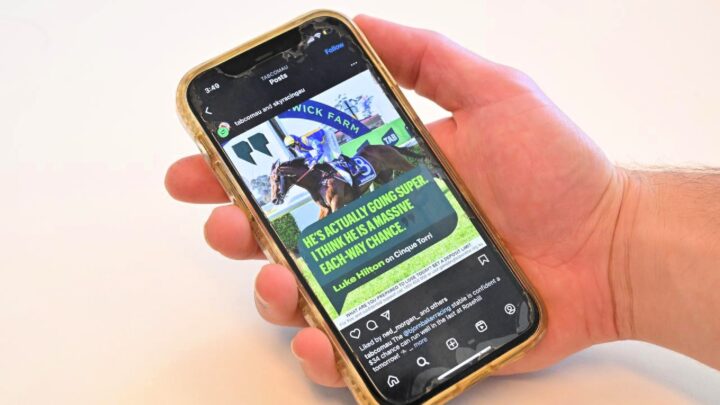
A national self-exclusion register for harmful gamblers is being urged to expand to cover Keno and other rapid, online betting products.
More than 53,000 Australians had registered with BetStop between its launch in August 2023 and December 1, 2025.
The self-exclusion register blocks access to phone and online gambling providers, and prevents them from contacting the person.
While the register “has become a central part of their armoury in helping those at risk of, or realising, gambling harm”, there were areas that needed to be improved to better protect Australians, a review of BetStop’s efficacy found.
The review, released on Wednesday, identified “several serious breaches” by gambling companies targeting people on the self-exclusion register.
It outlined an expectation for improved compliance as wagering companies become more attuned to the scheme.
The Australian Communications and Media Authority, the regulator, has found multiple betting companies have failed to comply with the register, including by continuing to send marketing material despite the exclusion and allowing people to still open an account.
While BetStop covers online gambling, it doesn’t cover lottery and lottery-type products, such as Keno, where a person selects a set of numbers, and bets on them matching randomly selected ones.
But Keno now allows rapid gambling, with draws every three minutes, when people can drop up to $1000.
The register should be expanded to cover this type of gambling as soon as possible, with there being no significant complexities to work through, the review stated.
Third-party marketing has also been an issue for people on the register, with harm reduction advocates saying offshore companies and middlemen being able to contact self-excluded gamblers is a massive loophole.
But the review noted this was outside the scope of the legislation as affiliate companies aren’t banned from messaging registered individuals.
It should also be harder for people to delist themselves, while those who do and want to restart their betting accounts should have some immediate guardrails, like needing to set a deposit and betting limit.
Those who come off the list should still be exempt from gambling marketing, instead needing an unprompted, explicit agreement to receive such material again, it recommended.
It was too early to expand the scheme to allow for third-party registrations or referrals, such as from family and friends, the review noted.
“However, this should remain (an) area for continued monitoring and discussion,” it said.
The review called for greater collaboration between BetStop and in-person self-exclusion services, such as those available for pubs, clubs, hotels, casinos and TAB agencies.
There are more than 500,000 high-risk gamblers in Australia, two-thirds of whom experience financial hardship or mental health conditions.
Four in five registrants are aged 40 or younger, and almost 40 per cent of people who sign up put themselves on life bans.
Only two per cent end their self-exclusion time frame early.
A majority of those who register reported better mental health, quality of life and personal relationships.
National Gambling Helpline 1800 858 858
Lifeline 13 11 14
beyondblue 1300 22 4636





 Proudly Australian owned and operated
Comments 0
Join the conversation. Comments are reviewed before they appear.
Be the first to comment.
Join the conversation
Tell us who you are to post a comment. We'll remember you next time.