
What makes women over 55 truly powerful?


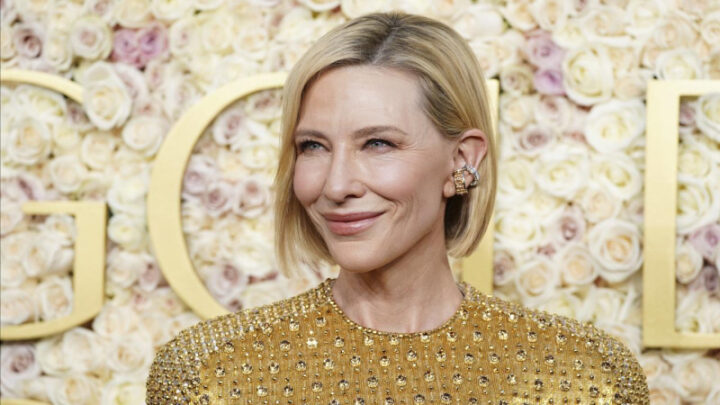
The power and influence wielded by women over 55 in Australia today reveal stories of resilience, leadership, and profound impact. In a cultural landscape that often prioritises youth, these women defy expectations and demonstrate that power – especially for those over 55 – is multilayered, forged by experience, tenacity, and vision rather than mere position or title. They manifest a new kind of power, one rooted in authenticity and the wisdom gained through decades of personal and professional journeys. As many Australians look to these figures, the question arises: who are the most powerful women over 60 in Australia, and what truly makes them powerful?
Among the most formidable is The Honourable Margaret Beazley AC KC, the Governor of New South Wales. At 74, Beazley, a former judge and lawyer, embodies judicial excellence and public service at the highest level. Her influence extends beyond her constitutional role into advocacy for legal reform, women’s rights, and social justice. Margaret Beazley’s power does not merely reside in her position as the Queen’s representative in NSW – it is amplified by decades of legal expertise, the respect she commands across the judiciary, and her unwavering commitment to progressive causes. She is an example of power drawn from a blend of institutional authority and personal integrity which propels change in the community and government.
Another iconic figure is Ita Buttrose AO OBE, one of Australia’s most admired journalists and media executives. Now in her 80s, Ita has shaped public conversation for decades – from editing magazines like Cleo to leading Australia’s national broadcaster, ABC. What makes Ita potent in the realm of influence is her ability to connect with Australians from all walks of life, articulate pressing issues with clarity, and adapt her voice across generations and mediums. Ita’s power transcends her high-profile editorial positions; it’s in the trust she has built over a lifetime in media, her fearless advocacy on health and social issues, and her refusal to be sidelined by age or circumstance. Other influential media figures over 55 include broadcaster and journalist Angela Bishop, who continues to command respect and engage audiences with her experience and professionalism. For these women, power is not just about their roles but the trusted relationships and credibility they have built over time, proving that longevity in media brings a unique, compelling voice to national discourse.
Consider also the business world, where Gail Kelly AO stands tall. As the former CEO of Westpac, one of Australia’s largest banks, Kelly was a trailblazer who broke glass ceilings in the male-dominated corporate sector. Even after stepping down from her executive roles, her influence continues to ripple through her involvement in boards, mentoring, and public commentary on economic and social policies. For Gail Kelly, power accumulates not just from titles but from her relentless drive, strategic insight, and the legacy she continues to build by championing women’s leadership and financial inclusion.
The arts and culture sector offers yet another powerful dimension of influence with figures such as Cate Blanchett AC. Though just crossing into her mid-50s, Blanchett exemplifies power by transcending the traditional confines of her craft. Not only an internationally acclaimed actress, she is also a vocal advocate for gender equality and climate action. Blanchett’s power is personal and symbolic – a blend of creative brilliance and passionate activism that challenges societal norms and inspires cultural change. She shows that power can emerge from the person as much as their profession, with influence that resonates globally even when firmly rooted in Australian identity.
So, what truly defines power for women over 55 in Australia? It is neither solely their formal positions nor their titles but a potent combination of personal qualities, life experience, and ongoing relevance. These women wield power through their ability to shape narratives, challenge the status quo, and drive meaningful change across sectors. Their power often stems from authenticity – an ability to lead with empathy, wisdom, and courage that transcends hierarchical structures.
The landscape of power has evolved. In a society where ageism can persist, these women assert that strength and influence grow with time, not diminish. They face unique challenges, whether navigating gender biases or adapting to rapidly shifting social and technological environments, yet they continue to lead with conviction and adaptability. Their stories inspire not just admiration but a redefinition of what it means to be powerful in Australia today.
In essence, the most powerful women over 55 in Australia are an embodiment of endurance and evolution. Their influence may manifest in formal leadership roles, but just as importantly, it lives in their capacity to mentor the next generations, advocate for marginalised groups, and propel national conversations forward. Their power is profoundly human and deeply transformative, making the over-55 demographic an essential, vibrant force within Australia’s social, political, and cultural fabric.
This new narrative is vital. It challenges outdated concepts that equate power exclusively with youth or position and instead illuminates the rich, multifaceted forms power can take across a lifetime. By spotlighting these remarkable women over 55, Australia not only honours their achievements but also signals a more inclusive and expansive vision of leadership and influence for the future.





 Proudly Australian owned and operated
Comments 0
Join the conversation. Comments are reviewed before they appear.
Be the first to comment.
Join the conversation
Tell us who you are to post a comment. We'll remember you next time.