
Win the war against bathroom soap scum with this cheap and easy solution


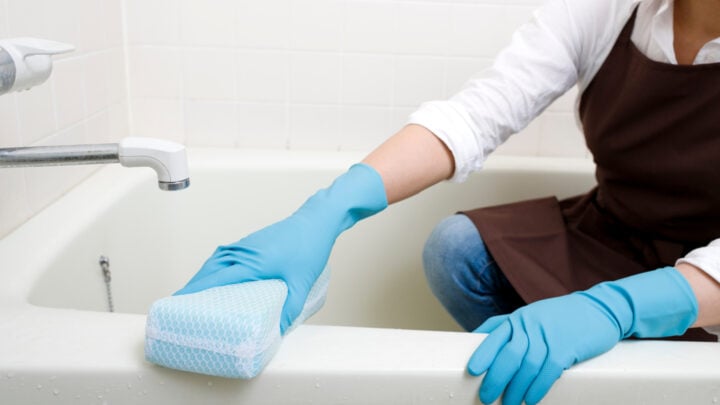
Soap scum. Can’t live with it, can’t get rid of it easily either.
Let’s face it, very few people love cleaning their bathrooms, and even fewer enjoy tackling soap scum buildup. If you’re struggling to remove that stubborn residue, here’s exactly what’s causing it, the cheap and easy fix that works, and a few things worth knowing before you start scrubbing.
What actually causes soap scum
Soap scum forms when the fatty acids in soap react with minerals in hard water, creating a filmy residue that clings stubbornly to tiles, glass and shower surfaces. The harder your water supply, the faster it tends to build up, which is why some households battle it constantly while others barely notice it.
The cheap and easy fix
Cleaning star Madame Sweat has built up an impressive reputation online for her simple, effective cleaning tips, and her approach to soap scum is a genuine favourite. All you need are three things you likely already have at home: a microfibre cloth, bicarbonate soda and liquid dish soap.
Mix one cup of bicarb soda with one tablespoon of dish soap until it forms a thick paste. Apply the paste to the affected areas with your microfibre cloth, working it in with a bit of gentle pressure, then rinse thoroughly with warm water.
Check your surface first
Before you start scrubbing away, it’s worth knowing that bicarb soda is a mild abrasive, and while it’s generally safe on tiles, glass shower screens and most acrylic surfaces when applied gently, it can dull or scratch genuine natural marble, polished stone and quartz surfaces over repeated use. If your shower or vanity features real stone rather than tiles or a moulded shower base, opt for a gentler approach instead – a simple mix of dish soap and warm water, or a diluted white vinegar spray, both lift soap scum effectively without the abrasive risk.
If you’re ever unsure what your shower surfaces are actually made from, a quick call to your builder, plumber or the original supplier can clarify it, and it’s worth doing once so you know exactly which cleaning products are safe to reach for.
An alternative: the vinegar method
If you’d rather skip the scrubbing altogether, a white vinegar spray is a great alternative, particularly for glass shower screens. Mix equal parts white vinegar and water in a spray bottle, spray liberally over the affected area, and leave it to sit for 10 to 15 minutes before wiping clean with a microfibre cloth. The acidity in the vinegar breaks down the mineral deposits without needing any real elbow grease.
The best fix: stopping it before it starts
As satisfying as a good soap scum removal session can be, prevention really is the better strategy. A quick squeegee down your shower glass and tiles straight after each use, taking just 30 seconds, dramatically slows how quickly soap scum and hard water deposits build up in the first place. Keeping a squeegee hanging in the shower makes this an easy habit to stick to, and it’s genuinely one of the simplest ways to cut down on how often you need to tackle a full scrub.
Looking for more bathroom cleaning tips?
Soap scum and limescale can build up in plenty of hard-to-reach spots around the bathroom. Sammy, another popular home hacks creator on TikTok, has shared a simple trick for cleaning the toilet using nothing more than a dishwashing tablet and hot water from a recently boiled kettle, followed by a good scrub with a toilet brush to watch the limescale disappear. One word of caution if you try it: some plumbers warn that very hot or boiling water poured directly into a toilet bowl can occasionally crack the porcelain, particularly in older toilets, so warm tap water is a safer bet if you’re at all unsure.





 Proudly Australian owned and operated
Comments 2
Join the conversation. Comments are reviewed before they appear.
After every shower, I squeeze the glass and laminate, then dry with an old tea towel. And if have Family staying, I have the last shower. Don`t expect visitors to do it. Also every morning wipe out the handbasin. so no scum or dirt, hair is left in it.
Thank you very helpful
Join the conversation
Tell us who you are to post a comment. We'll remember you next time.