
A little spritz goes a long way: 7 amazing uses for leftover lemon peels


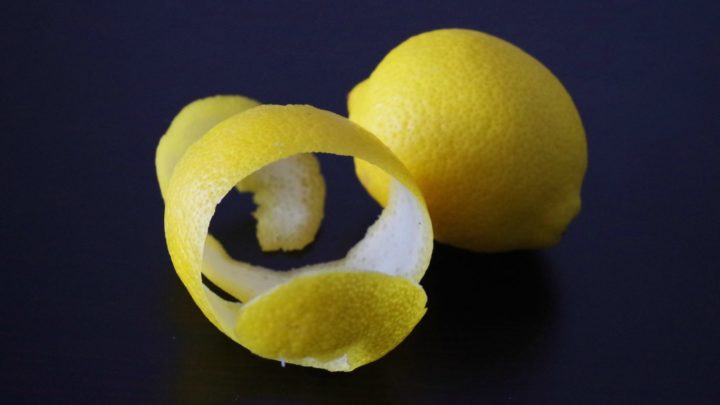
Stop throwing away leftover lemon peels, as it turns out they can be just as useful as lemon juice. While they’re great for garnishing a beautiful cake or salad, lemon peels also have an array of household uses – all of which are good for the hip pocket too!
From getting rid of bacteria and mould to keeping the ants away for good, the uses for lemon peels are endless and surprising. So rather than tossing the leftovers in the trash, here are some ideas on getting the most out of lemon peels.
Keep brown sugar soft
One way to soften hard brown sugar is to place some lemon peel into a container of sugar overnight which can help to keep it moist and easy to use. Make sure your peel is dried well before putting in the jar though.
All-purpose cleaner
Lemon all-purpose cleaner is a great all-natural and inexpensive disinfectant that will save you a trip to the shops. Simply put a bunch of lemon peels into a glass jar and pour white vinegar on top. Put the lid on and let it sit for two weeks, then strain the liquid. Combine this with water (50/50 ratio) and then use as normal in a spray bottle.
Get rid of ants and pests
If having ants in your house is really bugging you, place small slices of lemon peel along windowsills, doorways or near cracks or holes where ants or pests are lurking about. Ants do not like lemon and will not enter your home. Lemons are also effective against cockroaches and fleas.
Clean your kettle or coffee pot
To clean your kettle, fill with water and add a handful of thin lemon peels. Bring it to a boil then turn off the heat. Let sit for an hour, drain, and rinse well. To clean your coffee pot, simply add your lemon peels with some ice and salt. Whirl everything around for a minute or two and rinse – it’s never been easier!
Clean your microwave
Microwaves are prone to build-ups and can be hard to clean. So to remove grime easily, add lemon rinds to a microwave-safe bowl filled halfway with water. Cook on high for five minutes, allowing the water to boil and the steam to condense on the walls and tops of the oven. Remove the bowl and wipe away the mess.
Sanitise your cutting board
Lemon’s natural acidity provides great antibacterial properties to home cleaning. After properly cleaning your cutting boards, rub the surface with half a lemon. Let it sit for a couple of minutes before rinsing.
In your cooking
While this is a fairly obvious use for lemon rinds, this delicious ingredient is neglected surprisingly often! Whether grated into a cake, risotto or stew, it’s hard to go past a great zesty flavour. You can even simply add twists of leftover lemon peel to the baking tray when roasting vegetables, chicken or fish.





 Proudly Australian owned and operated