
The Places Ticks Hide on Your Pet That You’re Probably Not Checking


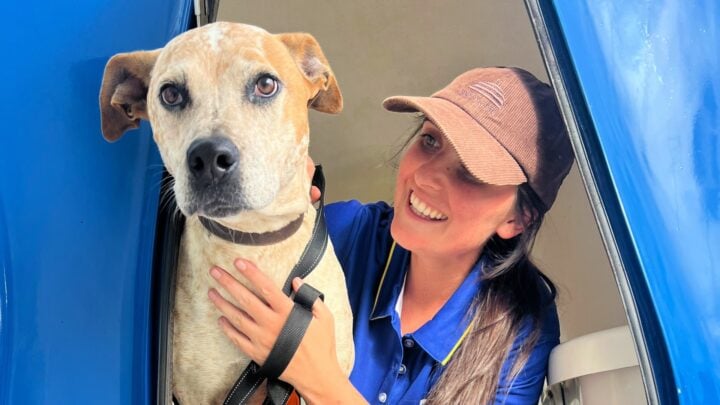
Most dog and cat owners who live in a tick-prone area know the drill: keep up with tick prevention and regularly run your hands over your pet, paying particular attention to the places ticks are most likely to hide.
Some new Australian research suggests there are a few places we may be forgetting to check.
Researchers analysed the attachment sites of paralysis ticks in more than 10,000 cases involving dogs and cats from veterinary hospitals in Brisbane, the Gold Coast, Sunshine Coast and Sydney’s northern beaches, in what has been described as the largest study of its kind.
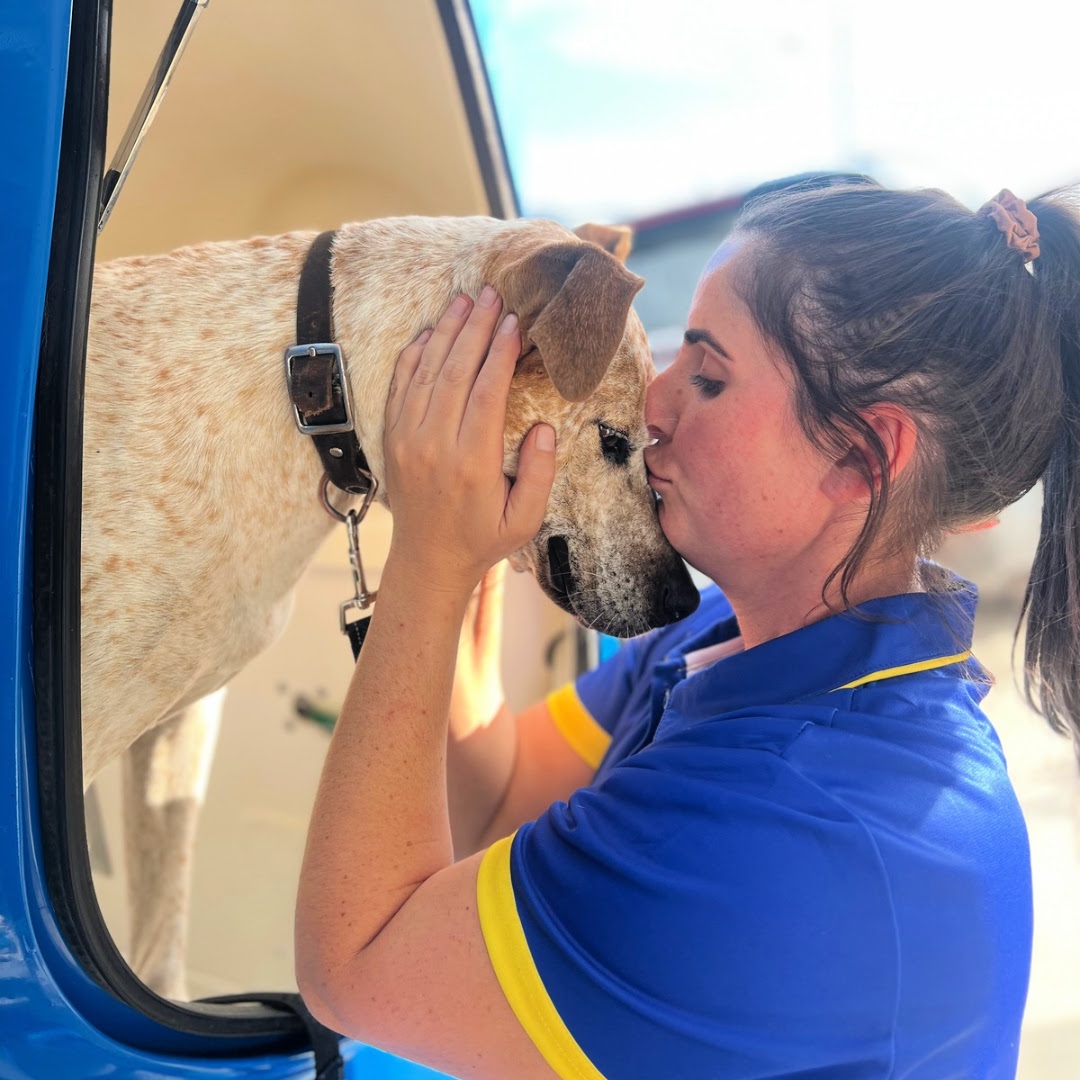
The good news for anyone who routinely starts a tick search around their pet’s head is that they’re looking in the right place. Almost three-quarters – 73 per cent – of paralysis ticks found on dogs were attached to the head, neck or ears, while the figure was 63 per cent for cats.
There were differences between our feline and canine companions, however. The head was the most common attachment site for dogs, while for cats it was the neck.
Perhaps more surprising were some of the places ticks managed to find their way into. Researchers recorded paralysis ticks inside animals’ mouths, including on their gums and tongues, as well as in nostrils, external ear canals and around the genital area.
It’s a finding that Emergency Veterinarian at SASH Northern Beaches Dr Tim Hopkins hopes will encourage pet owners to be thorough rather than relying on a quick check of the obvious areas.
“Finding and removing the tick quickly is critical. Many people check the obvious places but don’t realise ticks can also attach inside the mouth or ear canals, hidden sites that can delay detection and increase the risk of severe illness,” Dr Hopkins said.
The warning comes ahead of National Tick Awareness Month for Pets in September and follows an increase in animals presenting with tick paralysis at Small Animal Specialist Hospital (SASH) facilities in NSW.
More than 400 dogs and cats were treated for tick paralysis across SASH’s NSW hospitals between August 1, 2025 and February 28, 2026, representing a 29 per cent increase on the previous year. Vets have also been seeing cases through winter, before the traditional spring peak.
For dog owners living in areas where ticks are a concern, prevention and checking can quickly become part of everyday pet care.
NSW South Coast dog owner Colin has six-year-old Moodle Frankie and knows first-hand that ticks aren’t something to become complacent about after finding one on a previous dog.
He regularly checks Frankie around the groin, ears, front legs and snout and uses monthly tick prevention.
“The repercussions of a tick bite are major and we don’t want that worry, plus we care for our dog,” he said.
Dog groomer Grace Bate, who has a Bordoodle and an older mixed-breed dog, is similarly conscious of ticks, particularly when travelling with her pets further down the NSW South Coast.
While she has been fortunate not to find a tick on either of her own dogs, checking animals is a routine part of her work.
“When I’m grooming, we are always checking for ticks or anything odd on dogs,” she said. “We always check the usual spots, but ticks can be anywhere.”

Both Colin and Grace use monthly NexGard SPECTRA as part of their pets’ routine. Colin gives Frankie a chew on the first day of each month, while Grace said giving her dogs their monthly dose was simple to remember.
The new research is also a reminder, however, that preventative products don’t replace the need to know your pet and check them regularly.
The advice provided as part of Tick Awareness Month recommends using your fingertips to “finger walk” through the coat at skin level, feeling for bumps as you go. Owners should start at the head and neck, including checking the mouth and ears, before moving down the front legs and paws and checking between the toes and underneath the paws.
From there, the search should continue across the chest, belly, back, tail and hind legs, with collars removed so the skin underneath can also be checked. For long-haired pets, keeping the coat shorter during higher-risk periods may make searching easier.
Knowing the signs of tick paralysis is equally important.
Dr Hopkins said owners should be alert to weakness, wobbliness, changes in breathing or vomiting and seek veterinary attention immediately if they suspect their pet has a paralysis tick.
The potential seriousness of tick paralysis was demonstrated by two cases highlighted by SASH. A cat named Gummy developed respiratory failure and required seven days in hospital, including mechanical ventilation, tick antiserum and intensive care, before eventually recovering.
NSW dog Halley also became critically ill after an unnoticed paralysis tick caused weakness and wobbliness, with her condition deteriorating within hours. She spent three nights in intensive care before continuing her recovery at home.
For pet owners, the message from the research isn’t necessarily to spend every waking moment worrying about ticks. Rather, it’s to make prevention and thorough checks routine and to remember that the little parasite you’re looking for might not be hiding where you expect.





 Proudly Australian owned and operated
Comments 0
Join the conversation. Comments are reviewed before they appear.
Be the first to comment.
Join the conversation
Tell us who you are to post a comment. We'll remember you next time.