
I got a puppy at 68 and it nearly broke me – then it saved me


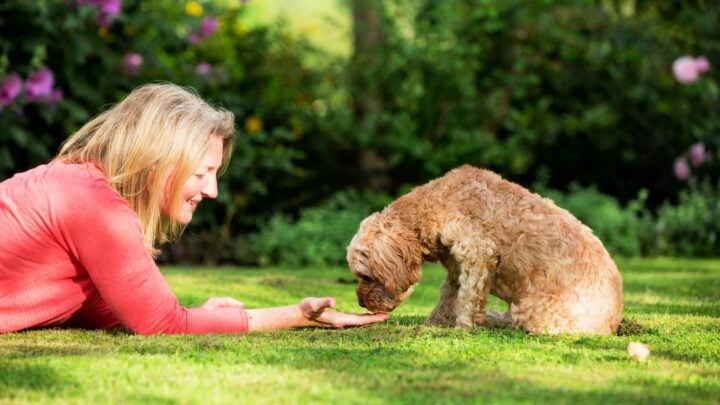
There is a moment, somewhere around 3am on the third night, when you are sitting on a cold kitchen floor in your pyjamas waiting for a ten-week-old cavoodle to stop crying, that you ask yourself a very reasonable question.
What on earth was I thinking?
This is the part of the puppy story nobody tells you before you do it. The breeders don’t mention it. Your friends who got puppies ten years ago have conveniently forgotten it. The Instagram accounts dedicated to golden retrievers in autumn leaves certainly don’t feature it.
The crying at 3am. The accidents on the good rug. The chewed corner of the couch you’ve had for twenty years. The way a puppy can simultaneously be the most adorable creature you have ever seen and the most exhausting.
And yet.
Ask anyone over 60 who has been through it and almost to a person they will tell you the same thing: it was one of the best decisions they ever made. Chaotic, expensive, occasionally maddening – and absolutely, completely worth it.
Australia’s love affair with pets
We are, as a nation, deeply besotted with our animals. Almost three quarters of Australian households now have at least one pet, with dogs remaining the most popular choice – found in 49 per cent of homes, up from 40 per cent in 2019. There are 7.3 million dogs and 5.8 million cats across the country, and Australians spent an estimated $21.3 billion feeding and caring for their animals last year.
Eighty-six per cent of pet owners say their animals have positively impacted their lives. That figure, when you have spent three nights on a cold kitchen floor, feels both completely believable and slightly optimistic. But give it six months and it makes perfect sense.
For Australians over 60, pets are particularly significant. More than 42 per cent of people aged 58 to 67 own a cat, and dogs are increasingly popular among retirees who have, for the first time in decades, the time to actually give a dog the attention it deserves.
Why people do it – and why it works
The reasons for getting a pet in later life tend to cluster around a few consistent themes: companionship, purpose, routine and the particular gift a dog gives you of forcing you outside every single day regardless of whether you feel like it.
For people navigating retirement, widowhood, an empty nest or the general shift of identity that comes with finishing work, a pet can provide something that is genuinely hard to manufacture artificially: unconditional love and a reason to get up in the morning.
The daily walk is not a trivial thing. Studies consistently show that dog owners walk significantly more than non-owners – and for older Australians, that extra movement has measurable impacts on cardiovascular health, mobility, bone density and mental wellbeing. The social dimension matters too. Walking a dog in a neighbourhood generates more conversations with strangers than almost any other activity. Dog parks become social infrastructure.
None of which helps at 3am. But it helps enormously at 7am when you are out in the cool morning air with a ridiculously enthusiastic small animal who genuinely cannot believe its luck that it gets to smell this particular patch of grass.
The breeds that tend to work best after 60
Not every dog suits every life stage. The general wisdom – and it is sensible wisdom – is that older Australians are often better matched with smaller to medium breeds that don’t require intense physical exercise, have calmer temperaments and are easier to manage day-to-day.
Cavoodles have become Australia’s most popular dog for good reason: low-shedding, affectionate, adaptable to apartment or house living, and genuinely charming. Maltese, shih tzu, bichon frise, miniature schnauzers and smaller poodle crosses all tick similar boxes.
For those who want a medium-sized companion with a gentler temperament, cocker spaniels, whippets and beagles are worth considering. Rescue dogs – particularly older rescue dogs – are often overlooked but can be extraordinary companions, typically arriving already house-trained, calmer than puppies and deeply grateful.
Around 45 per cent of Australian dogs were adopted rather than purchased – and for older Australians, an adult rescue dog is worth serious consideration before committing to the particular chaos of a puppy.
What it will actually cost you
This is the part of the conversation that deserves honesty. Pets are genuinely wonderful. They are also genuinely expensive, and the costs are higher than most people expect going in.
According to the 2025 Animal Medicines Australia report, the average Australian dog owner spends around $2,500 per year on their dog in ongoing costs – roughly $48 per week. But that average conceals significant variation.
Food is the single largest ongoing expense, with dog owners spending around $2,024 per year on average. Veterinary costs come second – the average spend on vet visits across the year is approximately $1,220 for dogs, with 84 per cent of dog owners having visited the vet at least once in the past year.
The first year is typically the most expensive. Budget for up to $5,000 in year one, covering the purchase or adoption fee (which averages around $1,419 for dogs), initial vet visits, vaccinations, desexing, microchipping, a bed, crate, collar, lead and enough toys to survive the first chewing phase.
Pet insurance averages around $85 per month for dogs – a significant but potentially worthwhile expense given that a single emergency vet visit can cost an average of $548. Serious illness or injury can run into thousands. Whether insurance is right for you depends on your financial situation and risk tolerance, but it is worth modelling before you decide either way.
Here is a realistic annual budget breakdown for a medium-sized dog:
Food: $1,000–$2,000
Routine vet care and vaccinations: $400–$700
Pet insurance: $600–$1,200 (optional but worth considering)
Grooming: $400–$800 for breeds requiring professional grooming
Parasite prevention (flea, tick, heartworm): $200–$400
Toys, bedding, accessories: $200–$400
Boarding or pet-sitting when you travel: $30–$80 per night
Most Australian dog owners end up spending between $2,500 and $4,000 per year once all costs are accounted for.
The part nobody warns you about
Back to the kitchen floor at 3am.
Here is the truth about getting a puppy after 60: the first six to eight weeks are genuinely hard. Puppies do not sleep through the night. They need to go outside constantly. They chew. They cry. They require a level of supervision that is frankly exhausting when you are not used to it.
What nobody tells you is that this is also completely temporary, and that the relationship being built during those difficult early weeks is the foundation of something that will be genuinely important in your life.
The people who tell you not to get a puppy because you’re too old usually mean well. They are also, with the greatest respect, wrong. Provided you have honestly assessed your energy levels, your lifestyle and your finances, age is not the barrier it is sometimes presented as.
The 3am kitchen floor phase ends. The 7am morning walks never do. And for most people who have been through it, the walks are the point.





 Proudly Australian owned and operated
Comments 0
Join the conversation. Comments are reviewed before they appear.
Be the first to comment.
Join the conversation
Tell us who you are to post a comment. We'll remember you next time.