
Spring Is Actually Pest Season — Not Summer. Here’s What to Do Before It Gets Away From You


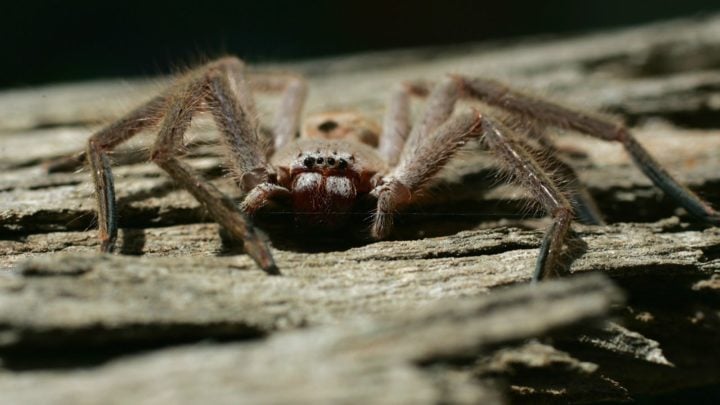
If you’ve always thought of pest control as a summer job, new data suggests you might already be behind. A decade-long analysis of Sydney pest records has found household pest activity more than doubles across spring – months before the hot weekends most of us associate with spiders, cockroaches and ants actually arrive.
While the figures below come specifically from Sydney pest control company Pest2Kill’s own records – nearly 100,000 treatments across almost 23,000 properties over ten years, plus two years of customer enquiries – the underlying pattern is a genuinely useful early warning for households right across Australia, not just Sydney. Spring conditions (warming temperatures, increased moisture, breeding and swarming seasons beginning) drive pest activity in broadly similar ways in most of the country’s temperate and coastal regions, so if you live somewhere with a comparable climate, it’s worth treating this as a timely nudge rather than a Sydney-only concern.
The key findings
Spiders lead the charge, by a long way. Spider enquiries rose 5.5 times between August and November in the Pest2Kill data – the sharpest spring surge of any pest measured, and the clearest early sign the season has turned.
Spring pest activity nearly doubles overall. New household bookings rose 136 per cent between August and November, and this wasn’t a one-off – November outpaced August in ten of the eleven years measured.
Cockroaches remain the most commonly reported pest overall, named in 49 per cent of customer enquiries, more than every other pest combined.
Termites wake up with the warmer weather. Thirty per cent of the year’s termite enquiries land between September and November, as swarming season gets underway – the highest spring concentration of any pest in the dataset.
Rodents don’t care what season it is. Remarkably, there wasn’t a single week across the entire calendar year, in over a decade of records, without a rodent job or enquiry somewhere in the company’s service area. Rodent activity barely shifted with the seasons at all, making it the one household pest that simply doesn’t take time off.
Pest2Kill CEO Phil Taylor said the data reflects exactly what technicians see on the ground each year. “Pest pressure builds right through spring, weeks before most households notice anything – and it builds across several species at once,” Taylor said, noting this is why the company recommends preventative pest control treatments in early spring, rather than waiting until the problem is already well established come January.
Where you live can change what you’re dealing with
The data also found genuine differences depending on housing type and local conditions, rather than location alone. In beachside, higher-density coastal housing, cockroaches dominated far more heavily than the broader average, while in areas with more established homes on larger blocks, termites and web-building spiders became relatively more common instead.
Taylor explained the pattern comes down to building type and microclimate more than suburb. High-density coastal housing tends to hold warmth and moisture, conditions cockroaches thrive in, while older timber homes on landscaped blocks present a different risk profile entirely, involving subterranean termites and spiders instead.
Rodents, notably, showed almost no variation by area at all, turning up at a strikingly consistent rate regardless of location – the only pest in the analysis with neither a clear season nor a particular postcode.
What you can do this spring
Book a preventative general pest treatment now, rather than waiting until summer. A single early-spring treatment can cover cockroaches, spiders and ants together, before populations properly establish, and hold through the summer peak.
Clear the perimeter of your home. Move firewood, garden bags and stored timber away from external walls — one of the most common conditions that attracts both termites and spiders.
Fix moisture issues early. Leaking taps, blocked weep holes and poor subfloor ventilation all help sustain the cockroach populations that tend to peak later in the season.
Book a termite inspection. With swarming season beginning in spring, a proper inspection remains the most reliable way to catch activity before it causes structural damage.
Don’t let your guard down over winter. Given how steadily rodents turn up year-round, it’s worth keeping an eye out for signs of them even in the cooler months, rather than assuming they’re a summer-only problem.
Figures quoted are drawn from Pest2Kill’s own Sydney service area records (Eastern Suburbs, Lower and Upper North Shore) and represent one company’s data rather than a citywide or national scientific survey. All figures are aggregated and anonymised.





 Proudly Australian owned and operated
Comments 0
Join the conversation. Comments are reviewed before they appear.
Be the first to comment.
Join the conversation
Tell us who you are to post a comment. We'll remember you next time.