
“If I didn’t do it, I’d be climbing the walls”: why volunteering in retirement is about so much more than giving back


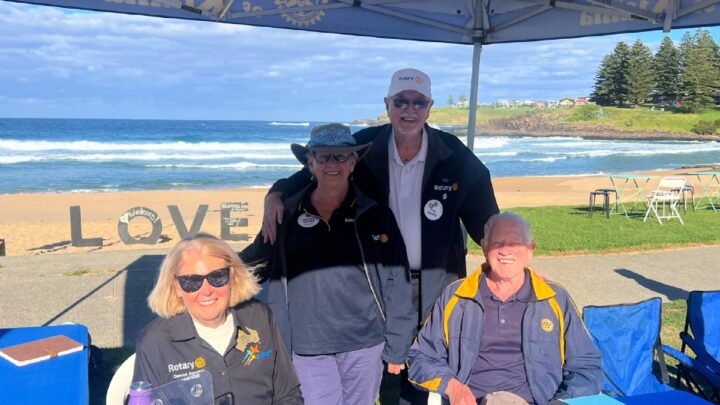
For many Australians, retirement is supposed to be the time life finally slows down. The early alarms stop, the work deadlines disappear and the calendar suddenly opens up. But for plenty of retirees, there is also an unexpected adjustment that comes with it: losing the routine, social connection and sense of purpose that work once provided.
That was one of the strongest themes emerging from conversations at Kiama Council’s Volunteer Expo at the Kiama Farmers’ Market this week, where volunteers from organisations across the Illawarra spoke not just about helping the community, but about how volunteering had transformed their own lives in retirement.
Held as part of National Volunteer Week, the expo brought together groups including Rotary, Red Cross, Lions Club, Rural Fire Service and community support organisations, many of them powered almost entirely by retirees and older Australians giving their time to others.
Across Australia, more than five million people volunteer through organisations each year, according to Volunteering Australia. Research has consistently linked volunteering later in life with improved mental health, lower rates of loneliness and stronger social connection, particularly after retirement.
For many people, the greatest surprise is just how much they personally gain from it.
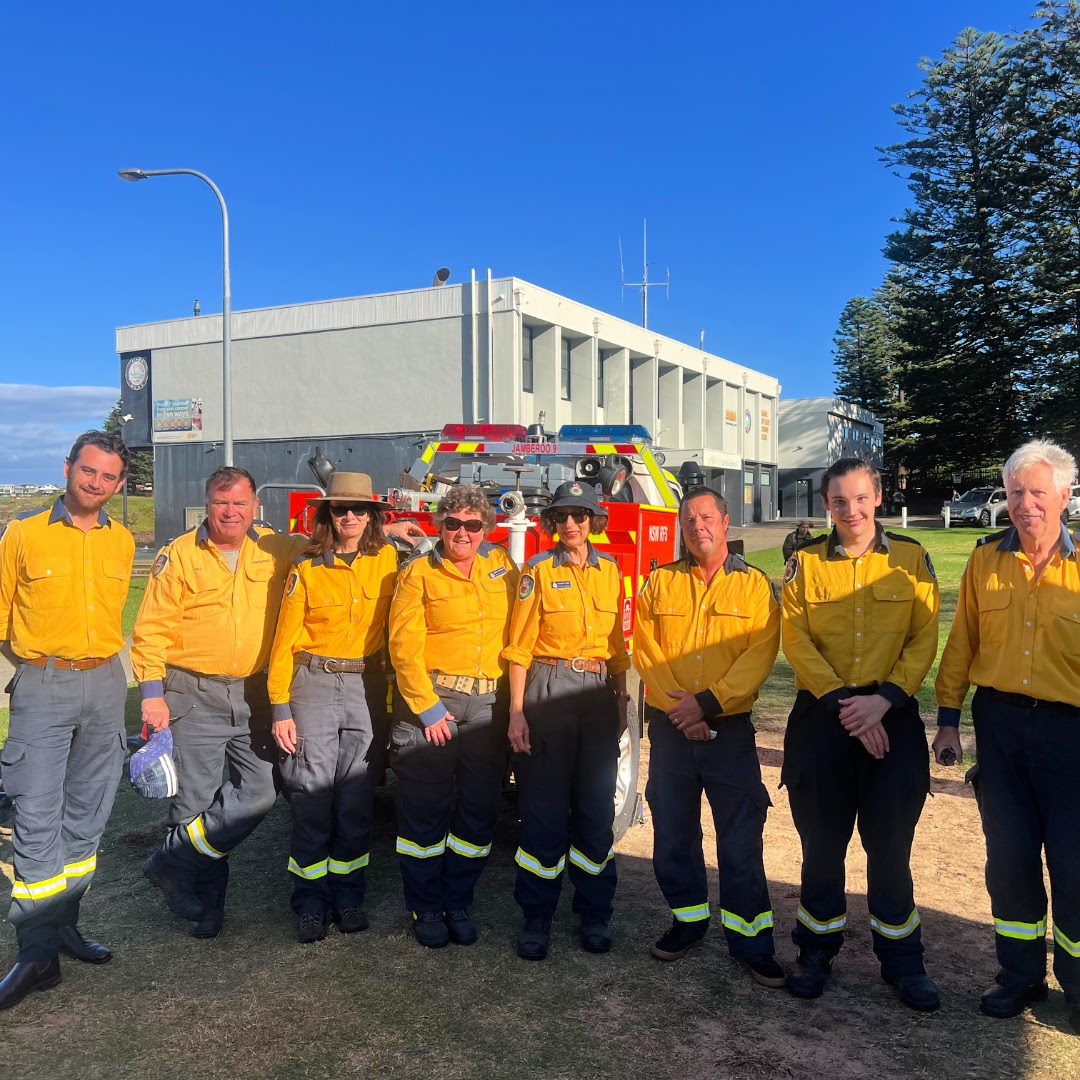
Jamberoo Rural Fire Service volunteer Pete Leeson said the friendships and camaraderie within the brigade had become a major part of his life.
“It’s really the camaraderie of the people in the brigade,” he said. “You will not get a better mob of guys and girls than in the RFS.”
Now 70, Leeson admits volunteering has become essential to his wellbeing.
“I just turned 70 and if I didn’t do it I’d be climbing the walls if it wasn’t for the Jamberoo RFS team,” he said.
That sense of connection was something repeated across almost every organisation at the expo.
Retirement can often shrink social circles without people expecting it. Children grow up, workplaces disappear and it becomes surprisingly easy to spend more time alone. For people who move to coastal or regional areas later in life, building a new community can be even harder.
Rotary Club of Kiama member Cheryl Whyte said volunteering helped create entirely new friendship groups.
“Being involved with our Rotary Club means that you have just developed a friendship circle that’s so much bigger than what you had before,” she said.
The social side of volunteering was something many groups spoke passionately about. Rotary members described regular dinners, social nights and even poetry evenings alongside their fundraising and community projects.
“We’re good at working together, but we also like to spend time socialising together,” Whyte said.
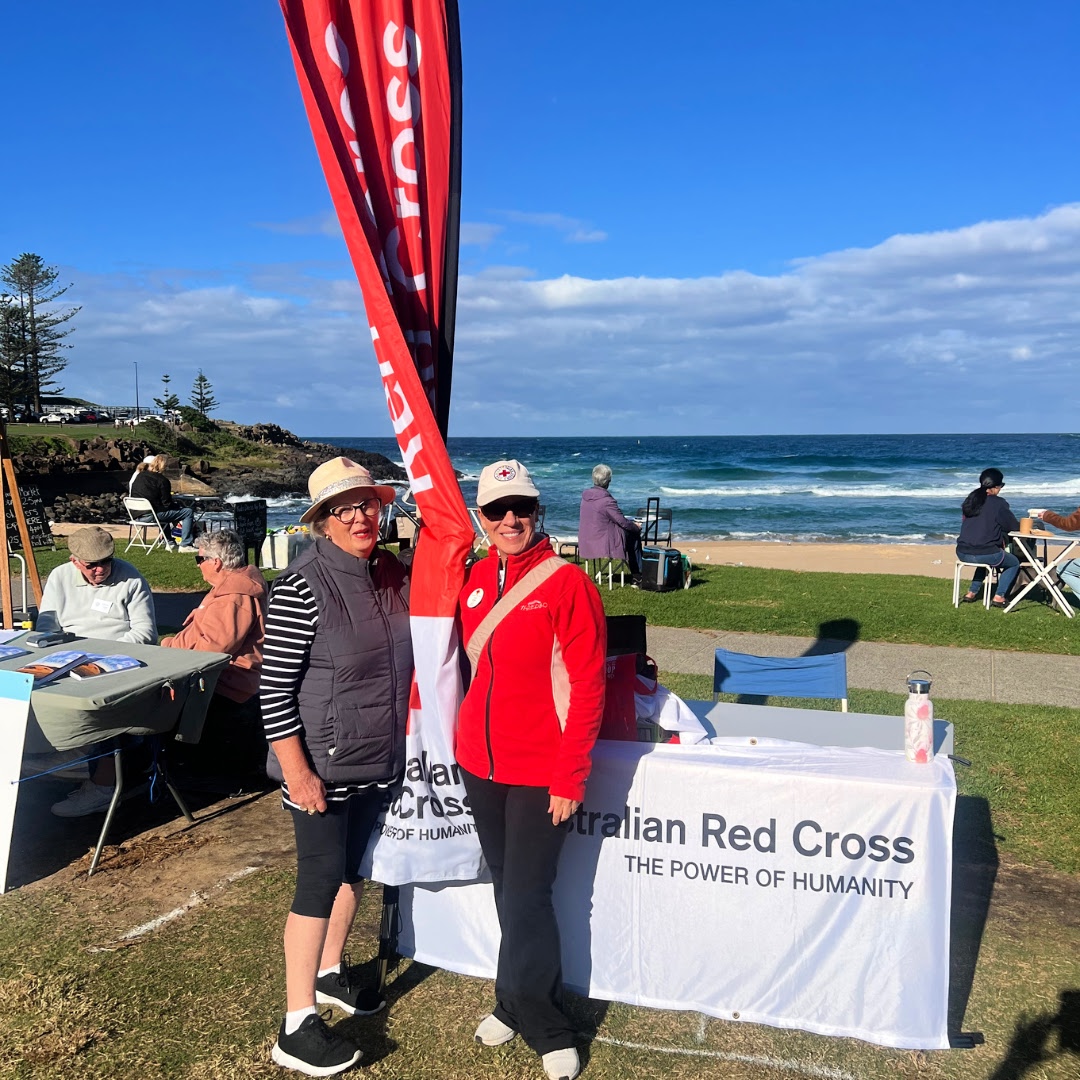
For Red Cross volunteer Barbara Adams, volunteering also offers a powerful antidote to the isolation that can creep into retirement.
“If you’re sitting home on your lounge and you’re bored and watching TV, get out,” she said. “It doesn’t matter what organisation. It’s very rewarding.”
Adams said one of the most rewarding parts of volunteering was seeing the direct impact small acts of kindness could have on others.
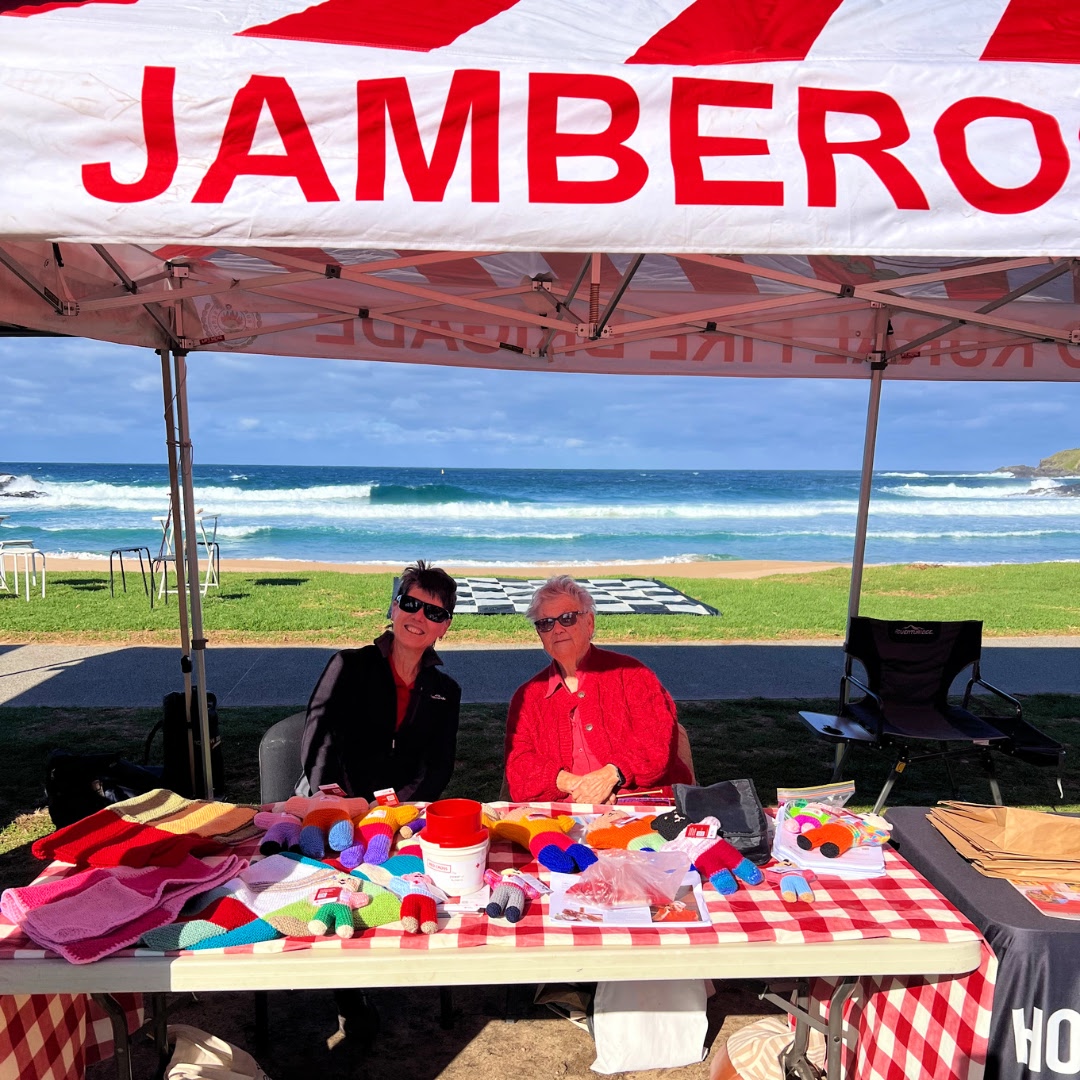
“Helping people and seeing the delight on the kids’ faces when they get given a trauma teddy makes it all worthwhile” she said.
For some older Australians, volunteering also becomes an anchor during difficult periods of life, particularly after loss or major life changes.
Rotary member John Kenny recalled one woman who joined after losing her husband.
“After her first barbecue she said, ‘This is just what I need. It’s given me an opportunity and a reason to keep going,’” he said.
Mental health experts have increasingly pointed to volunteering as one of the most effective ways older Australians can stay socially and emotionally connected after retirement. Studies have shown retirees who volunteer regularly often report higher levels of life satisfaction and purpose compared to those who become socially isolated.
Importantly, many volunteers said there is no “perfect” way to help.
Some volunteer once a week, while others help a few times a year at fundraising events or community activities. Many organisations are looking for people willing to assist with administration, mentoring, community events, cooking, transport, fundraising or simply checking in on others.
At the same time, many organisations are now focused on encouraging younger generations to step into volunteering roles as older members age.
“Most of us are going to hit 80 in another 12 months,” Adams said. “We need younger generations to continue with our organisation.”
As conversations flowed between market stalls in the autumn sunshine, the message from many volunteers was remarkably similar: retirement is not necessarily about slowing down completely, but about finding new ways to stay connected, useful and involved in the community around you. For many older Australians, volunteering becomes far more than simply giving back, it provides friendship, routine, confidence and a renewed sense of purpose at a stage of life when those things can suddenly become harder to find.





 Proudly Australian owned and operated
Comments 0
Join the conversation. Comments are reviewed before they appear.
Be the first to comment.
Join the conversation
Tell us who you are to post a comment. We'll remember you next time.