
Winter Gardening – Early Winter To-Do List for a Healthier Garden


As the first chill of winter settles across Australia, the garden doesn’t go to sleep – it simply changes pace. The early weeks of winter are a crucial window to prepare, protect, and plant for the months ahead. A little effort now pays off with healthier soil, stronger plants, and a more productive spring.
Here’s your practical to-do list for the first couple of weeks of winter.
1. Clean Up, But Don’t Strip Bare – Start by removing spent summer crops, dead annuals, and diseased plant material. This helps prevent pests and fungal problems lingering through winter. However, don’t overdo it – leave some leaf litter or organic matter to protect soil life and beneficial insects.
2. Improve Your Soil – Winter is one of the best times to build soil health. Add compost, well-rotted manure, or organic soil conditioners to garden beds. Letting these break down over winter will give you rich, workable soil by spring.
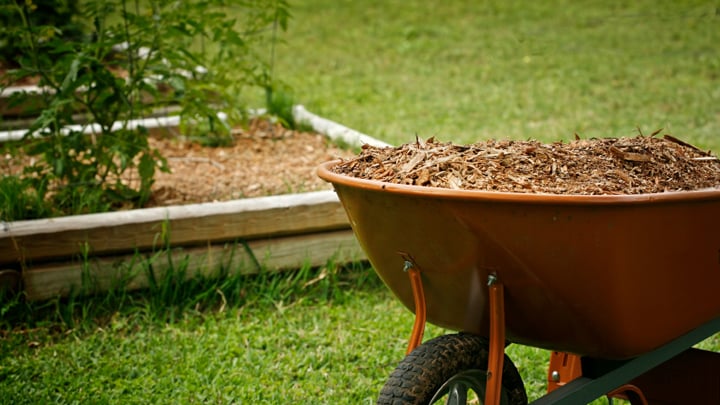
3. Mulch Generously – Apply a thick layer of mulch (straw, sugar cane, bark, or leaves) around plants and over empty beds. Mulch helps regulate soil temperature, retain moisture, and suppress weeds – especially important as growth slows.
4. Plant Winter Crops – In most temperate regions, early winter is perfect for planting cool-season vegetables.
Consider:
Leafy greens like spinach, lettuce, and silverbeet
Brassicas such as broccoli, cauliflower, and cabbage
Alliums like garlic and onions
In warmer regions, you can continue planting a wider range, while cooler areas may focus more on frost-tolerant varieties.
5. Protect Against Frost – If you’re in a frost-prone area, now is the time to prepare. Use frost cloth, old sheets, or cloches to cover sensitive plants overnight. Move potted plants to sheltered spots or under cover.
6. Prune with Care – Light pruning can be done now, especially removing dead or damaged branches. However, avoid heavy pruning of frost-sensitive plants, as new growth can be easily damaged.
7. Feed Selectively – Growth slows in winter, so avoid heavy fertilising. Instead, apply gentle, slow-release fertilisers or liquid feeds to winter crops and flowering plants.
8. Maintain Your Lawn – Lawns grow more slowly but still benefit from care. Raise mower height, reduce mowing frequency, and clear fallen leaves to prevent fungal issues.
9. Plan Ahead – Winter is the ideal time to step back and plan. Think about crop rotation, new garden beds, or planting schemes for spring. Order seeds early so you’re ready when the weather warms.
10. Support Wildlife – Provide water for birds and leave some habitat for beneficial insects. A healthy garden ecosystem is active even in winter.
A Final Thought – Winter gardening isn’t about abundance – it’s about preparation. By working with the season rather than against it, you set your garden up for resilience and productivity in the months ahead.
So grab your gloves, enjoy the crisp air, and give your garden the quiet care it deserves.





 Proudly Australian owned and operated
Comments 0
Join the conversation. Comments are reviewed before they appear.
Be the first to comment.
Join the conversation
Tell us who you are to post a comment. We'll remember you next time.