
Why Your Fruit Trees Look Miserable in May – And How to Fix Them


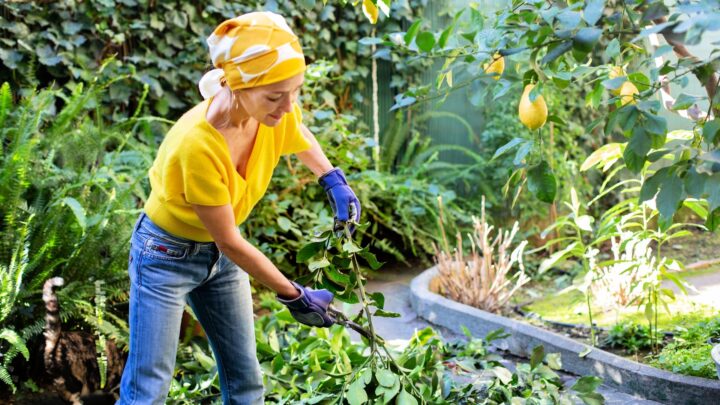
Are your fruit trees looking weary after a long, hot summer? Don’t panic – this is exactly the time to help them bounce back. May in Australia is when many backyard fruit trees begin to look tired, yellow, sparse or downright miserable. Citrus start dropping leaves, figs retreat into dormancy, while apple and stone fruit trees begin shutting down for winter, often looking bare and lifeless far earlier than expected. It’s easy to assume the worst. But autumn is actually one of the best opportunities to revive struggling fruit trees and prepare them for healthy growth before winter fully sets in.
After a long summer of fruiting and heat stress, trees are exhausted. Citrus in particular are heavy feeders and often limp into autumn showing signs of nutrient depletion. Figs, while tougher, can also look scraggly after producing a bumper crop. Apple and stone fruit trees such as peaches, plums and nectarines are also recovering from months of growth and fruit production, and many naturally begin shedding leaves as temperatures cool.
Common symptoms include:
• Yellowing leaves
• Sparse growth
• Small or dry fruit
• Leaf drop
• Dead twig tips
• Mossy or compacted soil
• Poor flowering earlier in the season
Before reaching for fertiliser, it helps to understand that most struggling fruit trees suffer from a combination of stress, depleted soil and inconsistent watering.
Lemon trees are famous for dramatic behaviour. A cold snap, wet feet or lack of nutrients can trigger leaf yellowing almost overnight.
The first step is checking drainage. Citrus, like many plants, hate sitting in soggy soil during cooler weather. If water pools around the trunk after rain, improve drainage with gypsum and organic matter.
Next comes feeding. In May, avoid strong nitrogen-heavy fertilisers that push soft growth before winter. Instead, use a gentle citrus food rich in potassium, magnesium and trace elements. A layer of compost followed by sugar cane mulch can work wonders.
One of the most overlooked citrus fixes is magnesium. Yellow leaves with green veins often point to deficiency. A light application of Epsom salts watered into the root zone can green trees up within weeks.
Pruning should also be light this time of year. Remove dead wood, crossing branches and any shoots growing from below the graft line, but save major reshaping for late winter.
Figs are remarkably forgiving. Even old neglected trees can bounce back with surprisingly little effort.
By May, most figs are entering dormancy, making it a perfect time to clean them up. Remove damaged branches and open the centre slightly to improve airflow.
Figs thrive in lean but well-drained soil. Too much fertiliser can actually reduce fruiting. Instead of heavy feeding, apply compost and aged manure around the drip line, keeping it away from the trunk.
If your fig produced lots of leaves but little fruit this season, excessive nitrogen is usually the culprit.
For figs in pots, May is an ideal time for root pruning and refreshing tired potting mix before winter.
Apple and stone fruit trees benefit from similar autumn care. Once leaves begin dropping, clear away fallen foliage and old fruit to reduce fungal problems like peach leaf curl and apple scab. Light pruning to remove damaged or crowded branches is fine, but heavier pruning is best left until winter dormancy.
A compost boost and fresh mulch around apples, peaches, plums and nectarines helps replenish nutrients lost during fruiting while insulating roots ahead of colder weather.
But nothing revives fruit trees faster than improving the soil underneath them.
A thick mulch layer:
• Regulates soil temperature
• Protects roots from winter cold
• Feeds soil microbes
• Retains moisture
• Suppresses weeds
Keep mulch at least 10 centimetres away from the trunk to prevent collar rot. Autumn leaves, lucerne, pea straw and composted bark are all excellent choices.
One of the biggest mistakes gardeners make in autumn is stopping watering once temperatures cool, but fruit trees still need moisture through autumn and winter – just less frequently.
Deep watering every couple of weeks is usually better than frequent shallow watering. The goal is to encourage deep roots rather than surface roots.
Container citrus may still need weekly watering depending on rainfall and position.
Be patient, the hardest part of reviving fruit trees is resisting the urge to overdo it. Too much fertiliser, too much pruning and too much water often make problems worse.
May is about recovery, not rapid growth.
A little compost, thoughtful pruning, better drainage and steady care through winter can transform a sad-looking lemon, fig, apple or peach tree into a productive backyard star by spring.
And perhaps that’s the real lesson fruit trees teach gardeners every year: recovery happens slowly, season by season, beneath the surface long before you see the results.





 Proudly Australian owned and operated
Comments 0
Join the conversation. Comments are reviewed before they appear.
Be the first to comment.
Join the conversation
Tell us who you are to post a comment. We'll remember you next time.