


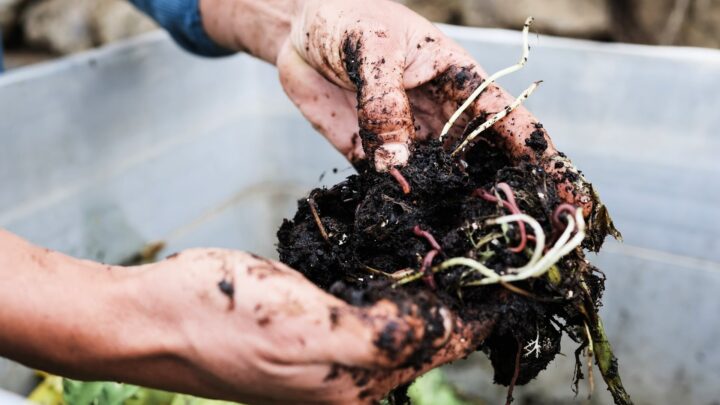
If there’s one thing that transforms an average garden into a thriving one, it’s good compost. Rich, crumbly, earthy-smelling compost feeds your soil, improves structure, and helps plants handle Australia’s often harsh conditions. The good news? You don’t need anything fancy, just the right balance, a bit of patience, and a few smart habits.
Think of compost like cooking: it’s all about proportions. Here’s the best recipe:
Aim for:
2–3 parts “browns” (carbon-rich materials) – dry leaves, straw, shredded newspaper, cardboard, small twigs.
1 part “greens” (nitrogen-rich materials) – kitchen scraps, grass clippings, coffee grounds, fresh plant trimmings.
Water + air – keeping the consistency moist like a wrung-out sponge, not soggy.
Layer or mix these ingredients, and you’ve got the foundation of a healthy compost pile.
What to Add (The Good Stuff)
· Fruit and vegetable scraps
· Grass clippings (in thin layers)
· Dry leaves and garden prunings
· Coffee grounds and tea leaves
· Eggshells (crushed)
· Untreated paper and cardboard
A good mix of soft (greens) and dry (browns) materials keeps microbes happy, and they’re the real workers in your compost system.
What to Avoid (The Trouble Makers)
· Meat, fish, and dairy (they smell and attract pests)
· Oily or greasy food
· Diseased plants
· Weeds with seeds (unless your pile gets very hot)
· Pet waste
· Glossy or heavily inked paper
If in doubt, leave it out, especially in suburban gardens where pests can quickly become a problem.
Tips for compost success: turn it regularly, every 1–2 weeks is ideal. This adds oxygen and speeds up decomposition.
Also, keep it small so the pieces break down faster, think of it as pre-processing your ingredients.
Moisture is also key: Too dry? Add water. Too wet? Add more browns like leaves or cardboard.
Location matters too: a partly shaded spot prevents the pile from drying out too quickly, especially in summer.
Clever Hacks for Better Compost
The “lasagne method”: Alternate layers of greens and browns instead of dumping everything in one go.
Use a compost accelerator: A handful of soil or finished compost introduces helpful microbes.
Freeze food scraps: Helps break them down faster once added.
Add a handful of blood and bone or pelletised manure if your pile seems slow – it boosts nitrogen.
Use a lid or cover during heavy rain to prevent water-logging.
Compost can slightly differ across Australia. The fundamentals stay the same, but climate certainly affects how you manage your pile.
Warm & Humid (Queensland, Northern NSW)
Compost breaks down quickly
Watch for excess moisture – add more browns
Turn more often to prevent smells
Dry & Hot (WA, SA, Inland regions)
Piles dry out fast – water regularly
Keep compost in shade
Consider enclosed bins to retain moisture
Cool & Temperate (Victoria, Tasmania)
Decomposition slows in winter
Smaller pieces and more turning help
A covered bin retains heat
Tropical North
Composting is rapid but can get soggy
Balance with lots of dry material
Elevate bins to improve airflow in heavy rain
You don’t need a perfect system, just a consistent one. Composting is forgiving, and even a “rough” pile will eventually turn into black gold for your garden. Start simple, adjust as you go, and let nature do most of the work.
If you get the balance right, your compost won’t just reduce waste, it’ll become the backbone of a healthier, more productive garden all year round.





 Proudly Australian owned and operated
Comments 0
Join the conversation. Comments are reviewed before they appear.
Be the first to comment.
Join the conversation
Tell us who you are to post a comment. We'll remember you next time.