
Read This Next: Six gardening books to inspire your next project


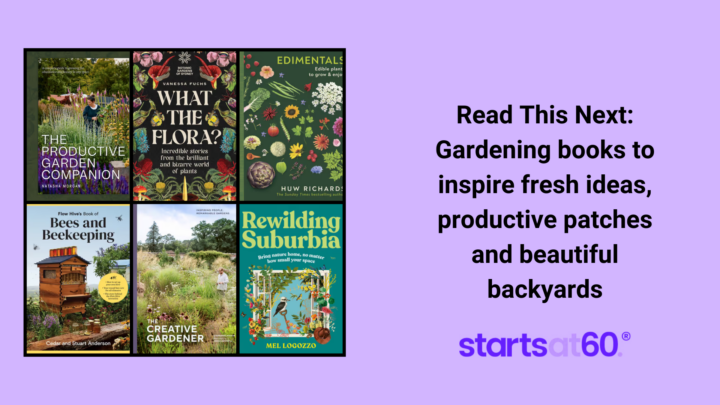
A good gardening book can earn its place beside your favourite novel, particularly when it helps you solve a problem or gives you ideas for a space you have never quite known what to do with. This week’s Read This Next selection covers growing food, garden design, native wildlife, beekeeping and plant science, with options for readers tending a few pots or planning a backyard overhaul.
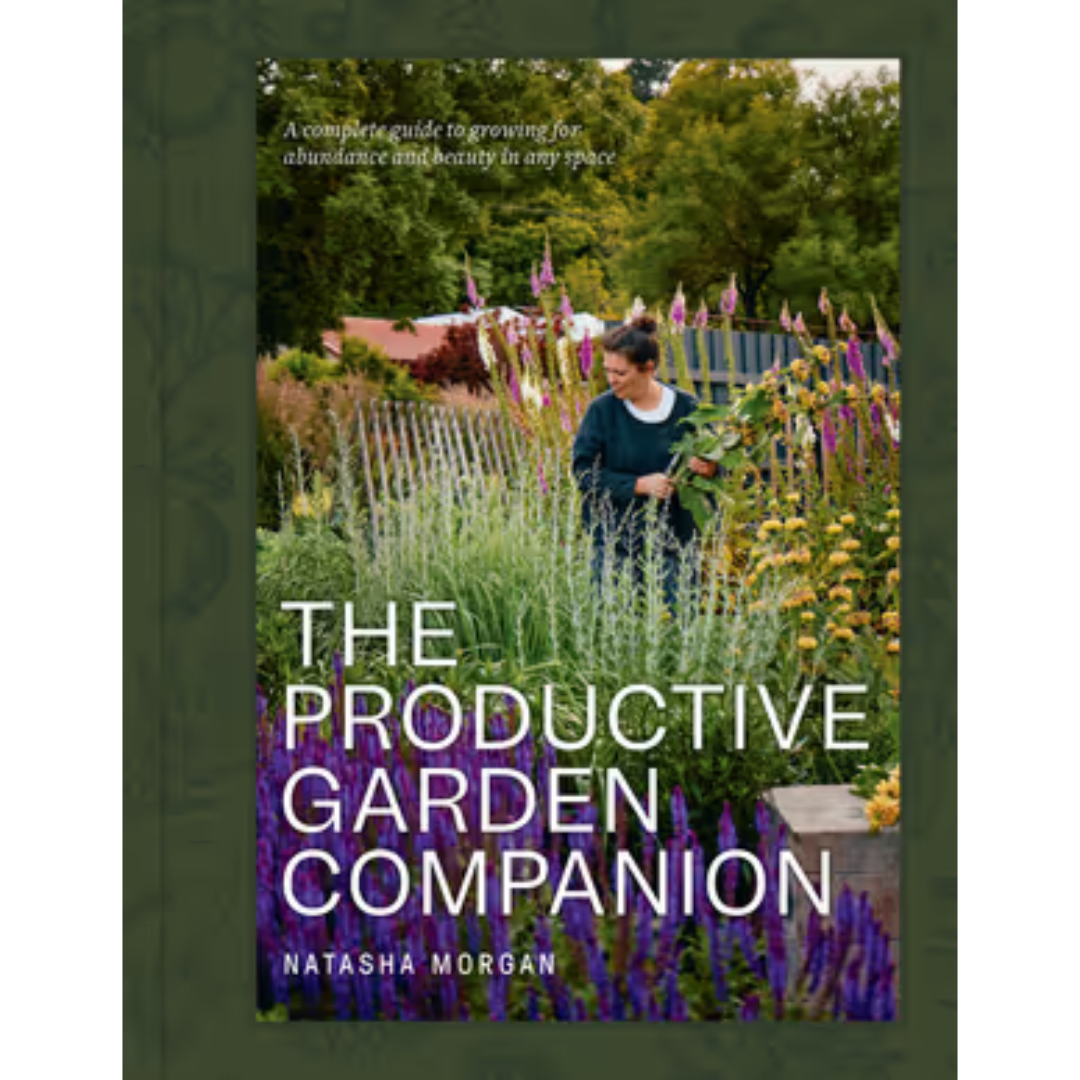
The Productive Garden Companion by Natasha Morgan
A productive garden can be beautiful too, and landscape architect Natasha Morgan explores how to bring those ambitions together. Drawing on her experience creating the five-acre Oak & Monkey Puzzle and the much smaller Little Cottage on a Hill, she considers how design, seasonal planting and sustainable practices can work across different spaces.
Advice on soil, growing and preserving sits alongside recipes, photography and contributions from 24 gardeners, designers and experts. QR-linked conversations and downloadable tools extend the material beyond the page.
The appeal is its broad approach to gardening, encouraging readers to consider the whole space while making room for something to harvest. Morgan’s experience with both large and small properties gives the book relevance beyond readers with generous acreage.
Verdict: A useful choice for gardeners who want to grow food within an attractive, thoughtfully planned space, with enough variety to revisit as their garden develops.
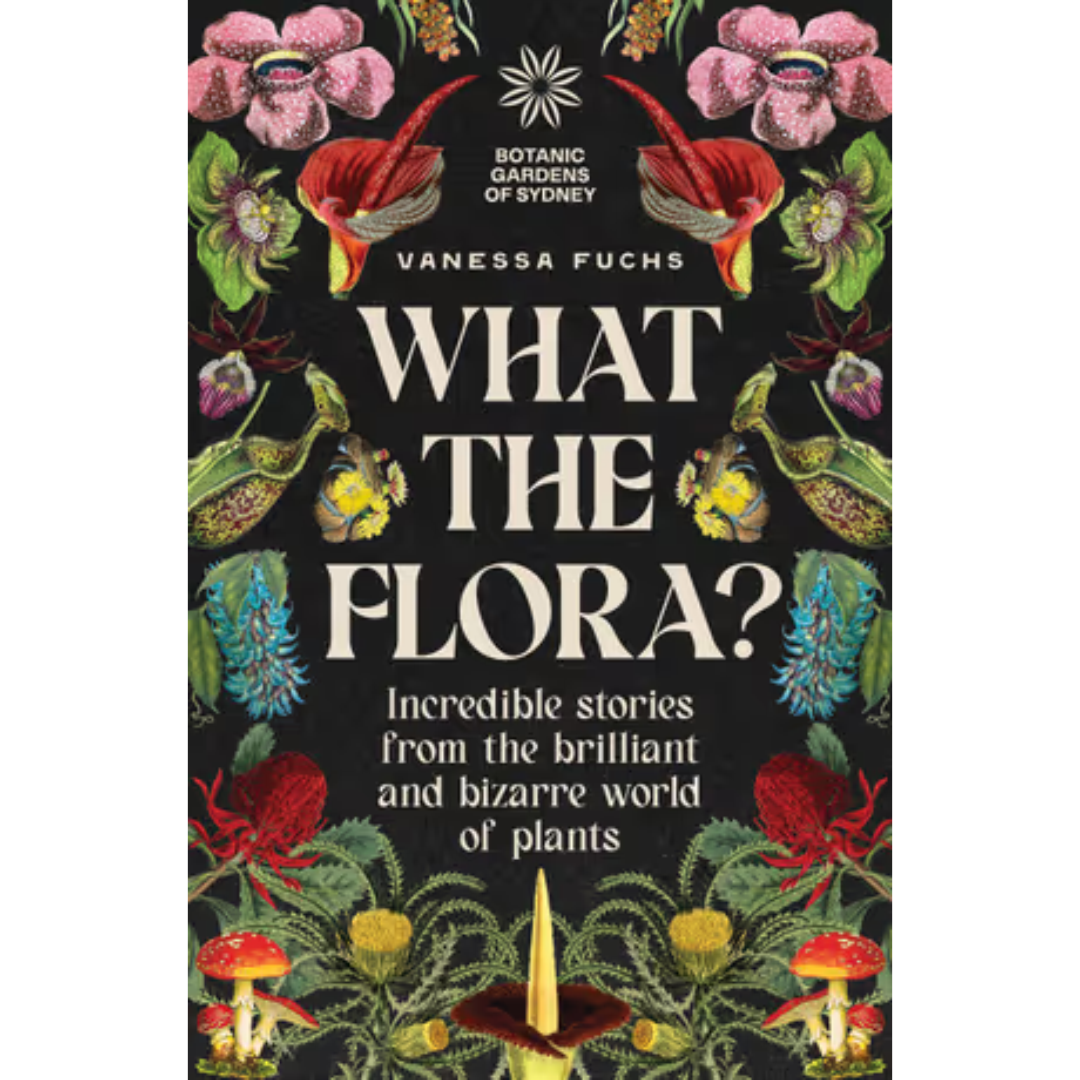
What the Flora? by Vanessa Fuchs
Plants have roles in everything from medicine to murder investigations, and science communicator Vanessa Fuchs explores some of their more unusual stories in What the Flora?
Drawing on expertise from Botanic Gardens of Sydney, the book brings together science, history, true crime and lore. Readers encounter trees that survived atomic blasts, deadly species that have influenced medicine and stories about pollen’s role in solving criminal cases.
Fuchs produced and hosted the Branch Out podcast, and the book’s storytelling approach gives plant science an accessible entry point. It is a change of pace within this selection, offering a broader understanding of the natural world rather than instructions for your next planting project.
Verdict: A good match for curious readers who enjoy unusual facts and science stories, whether or not they consider themselves gardeners.
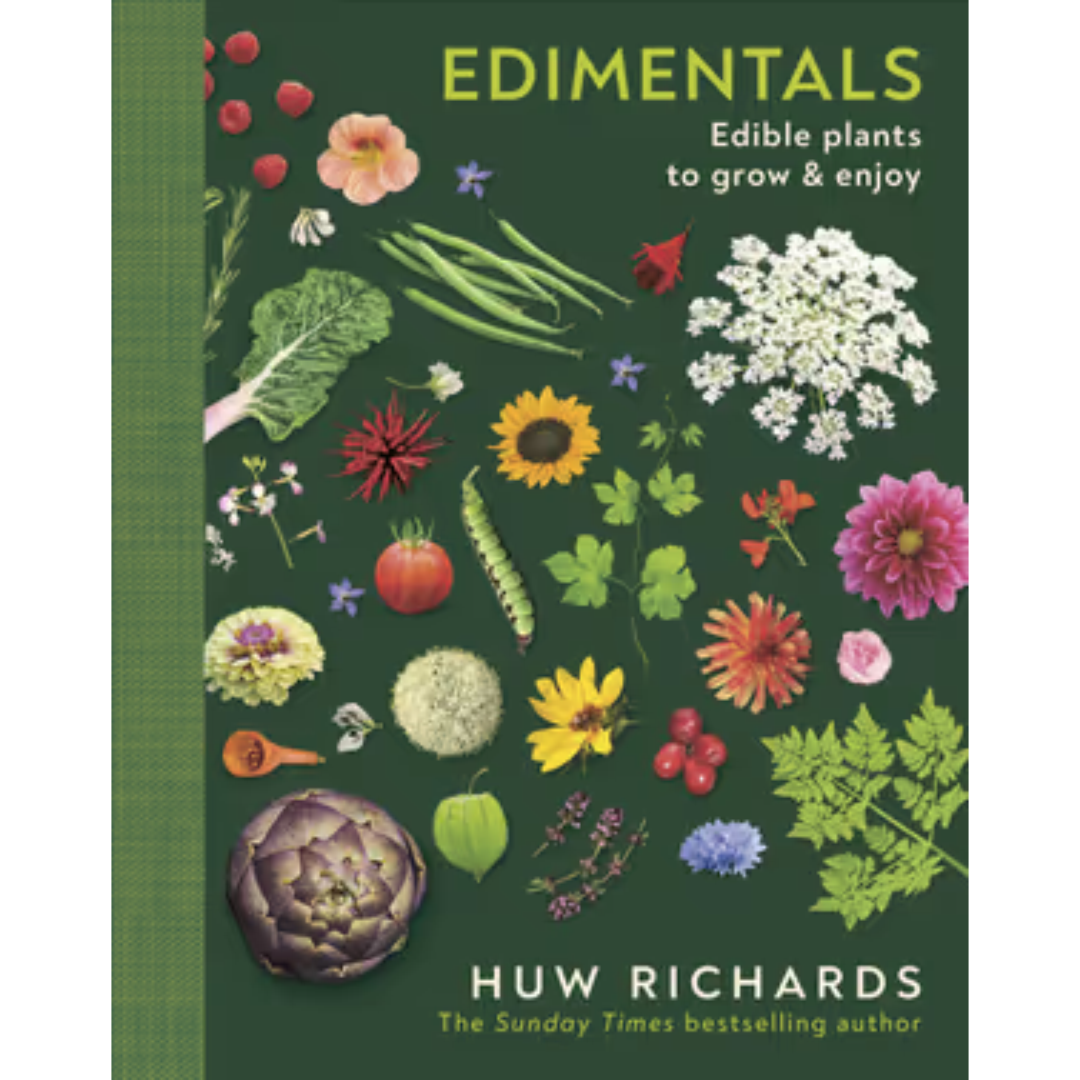
Edimentals by Huw Richards
Choosing between flowers and vegetables becomes less of a dilemma with Edimentals, a book devoted to plants that are both edible and ornamental.
Huw Richards introduces 100 plants across vegetables, herbs, flowers, trees and shrubs, pairing growing information with planting plans that show how different varieties can work together. The concept is especially appealing when space is limited and every plant needs to earn its position.
Its focus on combinations encourages readers to think about colour, foliage and harvests together. Richards is based in Wales, so Australian gardeners will need to adapt their choices and timing to local conditions, but the central idea offers plenty of scope for experimentation.
Verdict: An appealing option for food growers who want attractive beds and pots, with planting combinations to inspire a more varied productive garden.
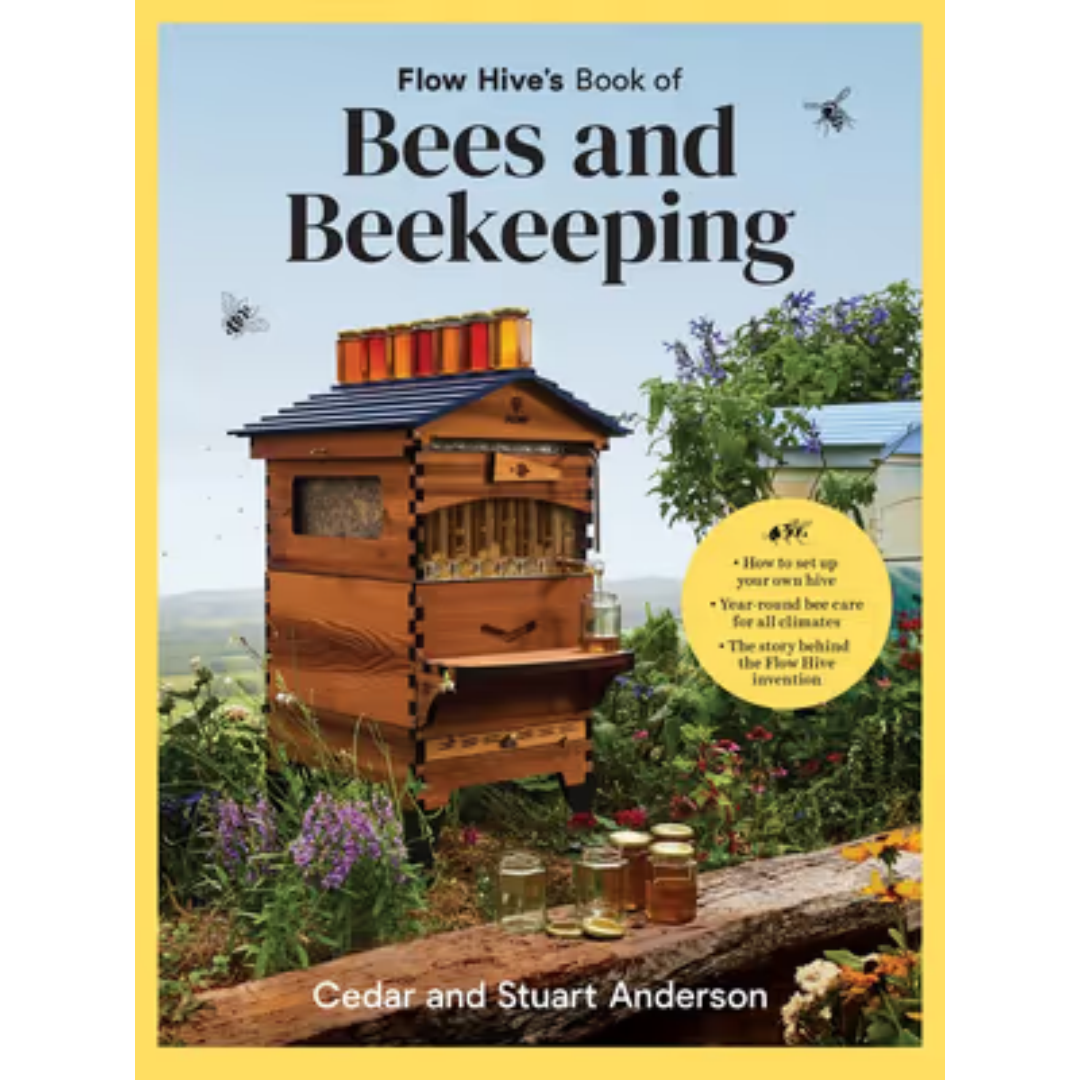
Flow Hive’s Book of Bees and Beekeeping by Stuart and Cedar Anderson
Father-and-son team Stuart and Cedar Anderson, the Australians behind the Flow Hive, combine beekeeping guidance with the story of their invention.
The book covers setting up a hive, seasonal care, honey harvesting, pests and common challenges, along with recipes for enjoying the harvest. Their account of developing the Flow Hive adds interest for readers drawn to invention and problem-solving.
For anyone considering backyard beekeeping, the range of topics helps explain the responsibilities involved beyond collecting honey. Readers should also seek local guidance and check the requirements where they live before getting started.
Verdict: A useful introduction for prospective beekeepers, with an Australian invention story that gives bee enthusiasts another reason to pick it up.
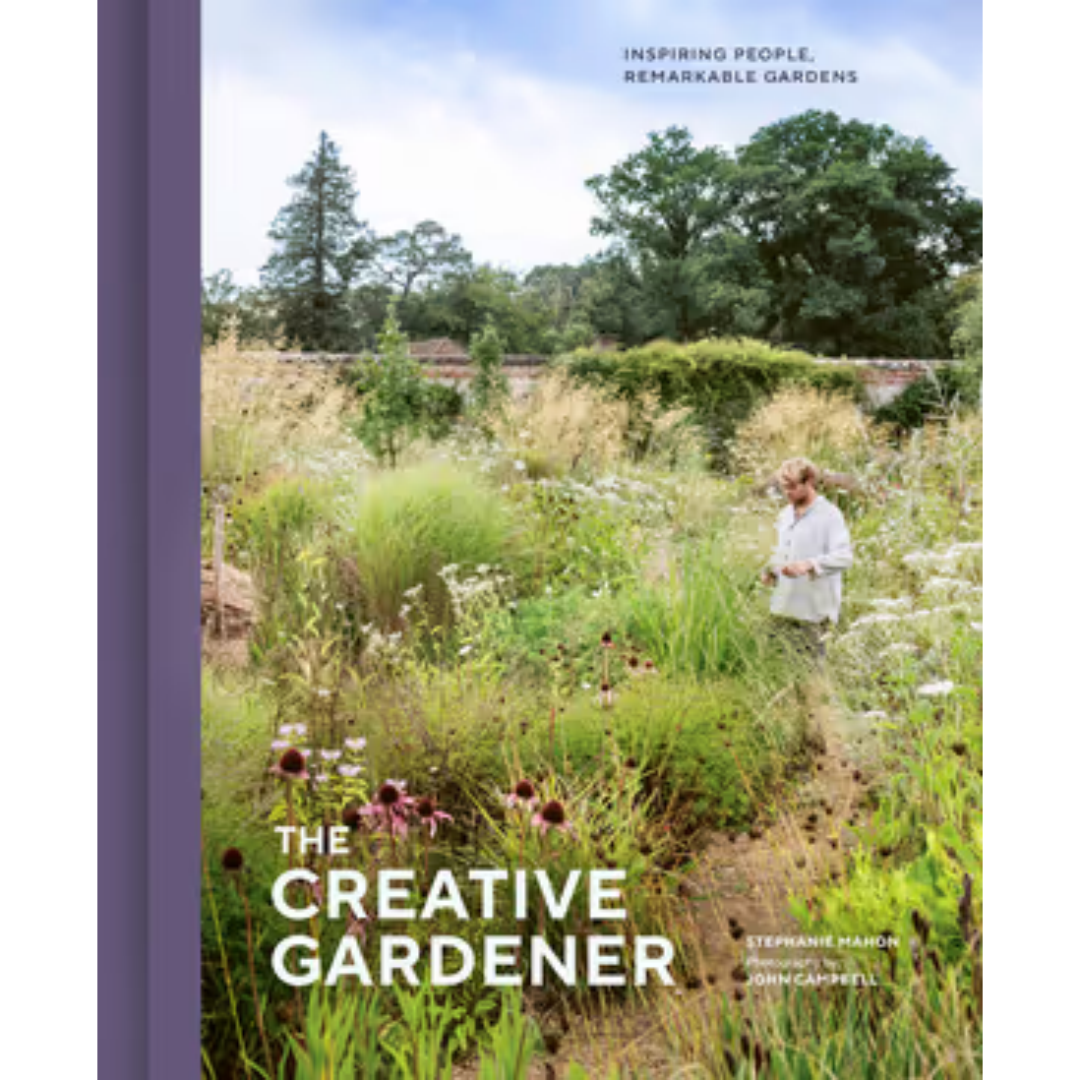
The Creative Gardener by Stephanie Mahon, with photography by John Campbell
This book explores 25 gardens in Britain and Ireland, introducing the creative people and gardening professionals behind them.
Featured gardens include food writer Nigel Slater’s London space, artist Matthew Rice’s Oxfordshire property and designer Sarah Price’s Welsh garden. City courtyards and country plots show how different interests and approaches shape a garden.
The photography and personal stories are the draw, offering ideas about layout, atmosphere and character that Australian readers can interpret in their own spaces.
Verdict: Best for readers who enjoy garden photography and creative inspiration, with plenty to browse even without a redesign planned.
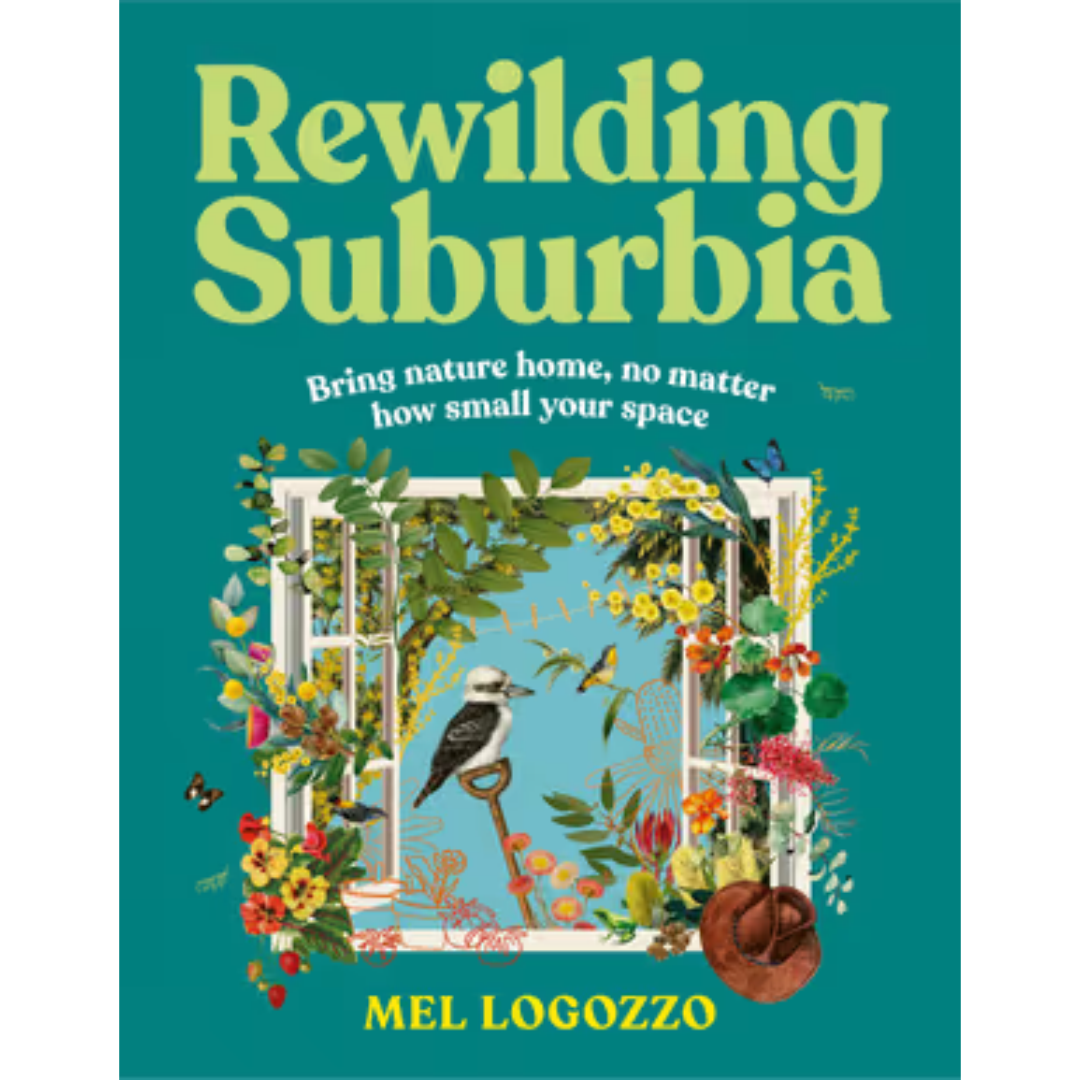
Rewilding Suburbia by Mel Logozzo
Mel Logozzo’s efforts to protect her vegetables from pests led to an interest in native plants and beneficial insects, eventually transforming her suburban backyard.
Her beginner-friendly guide covers plant choice, Australian wildlife, landscaping and pest management, with projects including bug and frog hotels, sensory gardens and in-ground worm farms.
Verdict: A practical pick for Australian gardeners interested in backyard biodiversity, with projects that could also involve grandchildren.
For more great gardening tips and tricks click here.





 Proudly Australian owned and operated
Comments 0
Join the conversation. Comments are reviewed before they appear.
Be the first to comment.
Join the conversation
Tell us who you are to post a comment. We'll remember you next time.