
Christmas Cactus in Bloom: Expert Tips for Bigger, Brighter Flowers


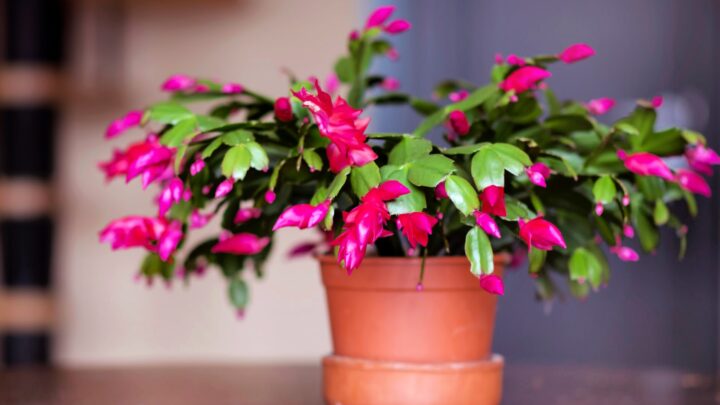
Just as many winter gardens begin to look a little tired and bland, the Christmas cactus bursts into colour and completely steals the spotlight, reminding us why it remains one of Australia’s favourite indoor and outdoor flowering plants.
Despite the festive name, Christmas cactus – also known as crab cactus – is actually flowering right now across much of Australia, particularly through late autumn and into winter. The cool nights and shorter days trigger buds to form, rewarding gardeners with a dazzling display of pink, red, white, orange and purple blooms just when we need a lift of colour the most.
Technically known as Schlumbergera, Christmas cactus originally comes from the rainforests of Brazil, where it grows attached to trees and rocks rather than in the ground. That probably explains a lot about how it likes to live in our homes and gardens – and why it can thrive for years with surprisingly little fuss.
One of the biggest mistakes people make is treating Christmas cactus like a desert cactus. It is not a fan of harsh sun or bone-dry conditions. Instead, it loves bright filtered light, protection from hot afternoon sun, and a potting mix that drains well while still holding some moisture.
If your plant spends summer outdoors, place it in a shaded patio, courtyard or under a verandah where it receives gentle morning light. Indoors, a bright room near a window is the perfect spot to show it off while it flowers.
Watering is where many gardeners either overdo it or forget about it altogether. The secret is consistency. Allow the top few centimetres of potting mix to dry slightly between watering, and like a lot of plants, it doesn’t like to sit in water. During flowering, regular moisture helps keep those beautiful blooms looking fresh and vibrant for weeks.
To get the very best flowering display, Christmas cactus actually benefits from a little neglect in autumn. Cooler temperatures and longer nights encourage bud formation. Once buds appear, try not to move the plant around too much, as sudden changes in light or temperature can cause buds to drop.
Feeding is simple. Use a liquid fertiliser every few weeks during spring and summer growth, then ease off as flowering begins. Repotting is only needed every few years, as these plants often flower better when slightly pot bound.
And another reason the Christmas Cactus is a favourite of mine – its incredible longevity. These plants can live for decades and are often lovingly passed down through generations. Older specimens can become magnificent cascading displays covered in hundreds of blooms – true family treasures that brighten homes year after year.
If you already have one flowering now, enjoy the show because this is its moment to shine. And if yours is looking a little lacklustre, a few small changes in light, watering and feeding could have it blooming beautifully and brighter than ever next season.





 Proudly Australian owned and operated
Comments 0
Join the conversation. Comments are reviewed before they appear.
Be the first to comment.
Join the conversation
Tell us who you are to post a comment. We'll remember you next time.