
2026 garden design trends: From the outside In


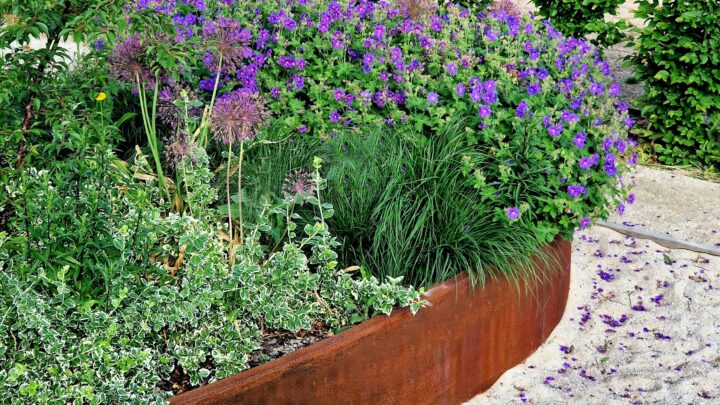
As we move into a new year, Australian homes are already embracing design ideas that will define 2026. What I’m seeing across projects is a clear shift toward spaces that feel grounded, nurturing and deeply connected to nature. Wellness, sustainability and personal expression are no longer “nice to have” – they’re essential.
At Landart, we design and build holistic landscapes and homes, and the most exciting trend of all is how seamlessly indoor and outdoor living is coming together.
Biophilic Design and Nature-Led Living
Biophilic design continues to evolve beyond aesthetics into something far more immersive. Homes are now being designed to support wellbeing, biodiversity and longevity – not just to look good.
This means generous use of greenery, layouts that maximise natural light, water features that soothe the senses, and materials that are either natural or made to feel natural. Recycled timbers, sustainable stone alternatives and eco-certified textiles are becoming the standard as homeowners prioritise quality and durability.
In gardens, abundant and layered planting is key. We’re seeing a rise in modern interpretations of rambling country gardens, as well as native gardens designed to attract and support local wildlife while remaining drought tolerant. Pollinator-friendly landscapes are especially important as bee populations recover from disease – even small balcony gardens can make a meaningful difference.
Earthy Palettes with Confident Colour
Earthy colours remain popular, but as we head into 2026 they’re becoming richer and more expressive. Blush pinks, terracotta, mustard and soft ochres are now joined by deeper, more assertive tones like burnt orange, deep navy, grape and forest green.
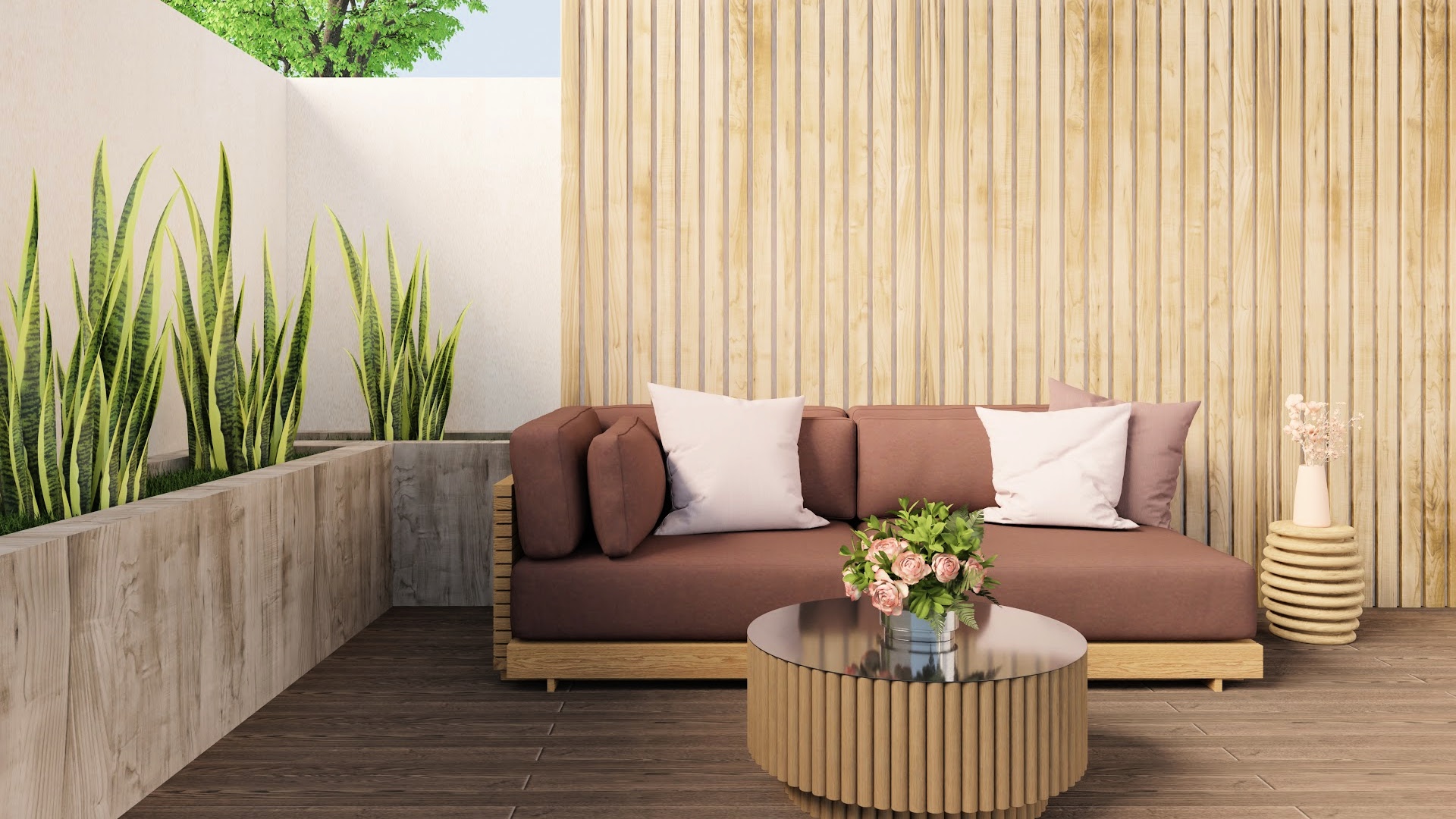
These colours are appearing across both interiors and exteriors – on walls, cabinetry and statement pieces – adding warmth, personality and drama. We’re also seeing a shift away from pale, bleached timbers toward richer species such as cherry, mahogany and walnut, which bring a sense of sophistication and depth to a space.
Curves, Texture and Handcrafted Appeal
Soft curves continue to dominate architectural features and furniture alike. Rounded pool edges, curved garden walls, arched doorways and sculpted sofas all contribute to spaces that feel fluid and welcoming.
Texture is equally important. Popular finishes include matte and brushed metals, grooved timber, limewashed and raked plaster, natural stone, reclaimed timber and tactile wallpapers. These layered materials add visual interest and a sense of craftsmanship that’s often missing from overly minimal spaces.
Lighting is also stepping into the spotlight as an artistic feature. Sculptural pendants, organic forms and softly diffused LEDs are being used to create ambience both indoors and outdoors. At the same time, there’s growing awareness around light pollution, with more clients seeking lighting solutions that respect the natural rhythms of plants, animals and people.
Heritage Elements Reimagined
Traditional detailing is making a sophisticated return. Panelling, mouldings, ceiling roses and heritage-inspired joinery are being reinterpreted in contemporary ways, adding character and elegance. Mid-century and 1970s influences are also resurfacing, bringing warmth, nostalgia and individuality into modern homes.
Wellness in Outdoor Spaces
Outdoor areas are increasingly being designed as holistic wellness environments. Cold plunge pools, saunas, meditation zones and yoga spaces are now common requests – and when designed properly, they integrate seamlessly into the landscape.
The pandemic changed the way we use our homes, and those benefits remain. Outdoor wellness spaces offer convenience, privacy and a deeper connection to nature, supporting both physical and mental wellbeing.
Design in 2026 is about more than trends. It’s about creating homes that restore, inspire and endure — spaces that feel deeply personal while remaining connected to the natural world.
Matt Leacy is the Creative Director & Co-Founder, Landart
www.landart.com.au





 Proudly Australian owned and operated
Comments 0
Join the conversation. Comments are reviewed before they appear.
Be the first to comment.
Join the conversation
Tell us who you are to post a comment. We'll remember you next time.