
Triple cooked potatoes: the technique that turns the humble spud into something genuinely extraordinary


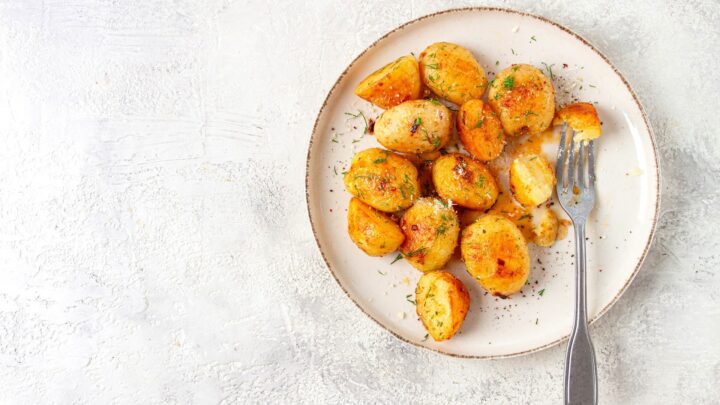
Let me be honest about something. When the triple cooked potatoes arrived at our Sunday lunch, I was not expecting to be particularly moved. Potatoes are potatoes. I have been eating them my entire life and I am very fond of them, but they are not generally the thing you remember about a restaurant meal.
I was wrong.
What arrived on the plate bore almost no resemblance to any potato I have eaten before. The outside was so extraordinarily crisp it shattered when you pressed it – a deep, golden crust that gave way to the fluffiest, most pillowy interior imaginable. Not fluffy like a baked potato. Fluffy like a cloud that somehow also tastes of butter and salt and everything right in the world.
The triple cooking method – boil, dry, fry, rest, fry again – is not a new idea. Heston Blumenthal made it famous and chefs everywhere adopted it because the results are simply incomparable. The three stages do different things: the boiling softens the interior, the drying creates a rough, starchy surface that crisps magnificently, and the double frying builds the crust in layers until it is, quite genuinely, something special.
Yes, it takes longer than roasting potatoes in the oven. Yes, it is absolutely worth it. Here is how to do it properly.
Triple Cooked Potatoes
The technique that transforms the humble potato into something extraordinary – a shattering golden crust giving way to the fluffiest interior imaginable. Worth every minute of the three-stage process.
Servings 4
Ingredients
1.2 kilograms kg Sebago or Maris Piper potatoes, peeled and cut into large chunks (roughly 5cm)
1 litre vegetable or sunflower oil for deep frying
1 tablespoons tbsp fine salt for the boiling water
1 teaspoons tsp flaky sea salt for finishing
2 sprigs fresh rosemary (optional but excellent)
3 garlic cloves, skin on, lightly crushed (optional)
Method
1 Stage one: boil until very soft: Place 1.2 kilograms kg Sebago or Maris Piper potatoes, peeled and cut into large chunks (roughly 5cm) in a large saucepan and cover generously with cold water. Add 1 tablespoons tbsp fine salt for the boiling water. Bring to the boil and cook for 20–23 minutes until the potatoes are very well cooked – well past what you would normally consider done. A knife should pass through with almost no resistance. The edges will look a little ragged. This is exactly right.
2 Stage two: dry completely: Drain the potatoes extremely carefully in a colander – they will be fragile. Shake the colander gently to rough up the edges. Spread the potatoes in a single layer on a wire rack set over a baking tray. Place in the fridge uncovered for at least one hour, or until completely cold and dry. The surface should look white and starchy. This drying stage is critical – moisture is the enemy of crispness.
3 Stage three: first fry at low temperature: Heat 1 litre vegetable or sunflower oil for deep frying in a large deep saucepan or deep fryer to 130°C. Use a thermometer – temperature matters here. Working in batches, lower the cold potatoes carefully into the oil and fry for 5–6 minutes until a pale golden crust begins to form. They should not brown at this stage. Remove with a slotted spoon to a fresh wire rack and refrigerate or freeze for at least 30 minutes until cold again.
4 Stage four: second fry at high temperature: Increase the oil temperature to 190°C. This is the moment everything comes together. Working in batches, fry the cold potatoes for 4–5 minutes until deeply golden, shatteringly crisp and extraordinary. Add 2 sprigs fresh rosemary (optional but excellent) and 3 garlic cloves, skin on, lightly crushed (optional)to the oil in the final minute if using – the rosemary will crisp and perfume the potatoes beautifully.
5 Season and serve immediately: Remove with a slotted spoon and drain briefly on paper towel. Transfer immediately to a warm plate or serving dish. Season at once with 1 teaspoons tsp flaky sea salt for finishing – salt only sticks while the potato is hot and the oil is fresh on the surface. Serve within two minutes. Do not wait. These are not a potato that holds.
TIPS: Sebago is the ideal Australian potato for this method – floury and starchy, which is what creates that spectacular rough surface after boiling. Avoid waxy potatoes like Nicola or Dutch Cream, which won’t give you the right texture. The potatoes can be taken to the end of Stage Two – after the first fry and freezer rest – up to 24 hours ahead and refrigerated. Finish with the second fry just before serving. Never crowd the oil during frying or the temperature will drop and the potatoes will absorb oil rather than crisping. Work in batches with confidence. The finished potatoes do not hold well – serve them the moment they come out of the oil, seasoned immediately with flaky salt.





 Proudly Australian owned and operated
Comments 0
Join the conversation. Comments are reviewed before they appear.
Be the first to comment.
Join the conversation
Tell us who you are to post a comment. We'll remember you next time.