
The Hidden Dangers of Foraging: Why Experts Say It’s Safer to Buy Than Pick


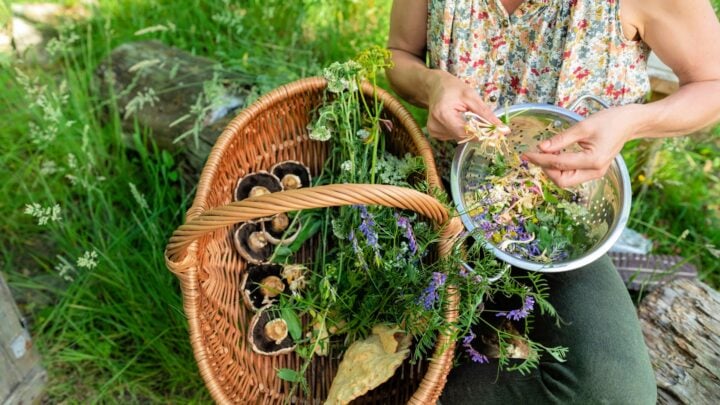
As the weather cools and conditions turn favourable for wild mushrooms and native greens, more Australians are being drawn to foraging as a way to reconnect with nature and source their own food. But a leading food safety expert is warning that the trend comes with genuine, sometimes fatal, risks that many people don’t fully appreciate.
According to UNSW food microbiologist Associate Professor Julian Cox, foraging’s growing popularity — fuelled partly by social media and a culinary world that increasingly celebrates wild ingredients — has outpaced many people’s ability to safely tell edible food from dangerous look-alikes.
Foraging itself is legal in Australia, though rules vary depending on the state, land ownership and the specific species being collected. The real danger, Cox says, often isn’t what foragers can see, but what they can’t.
The mushroom problem
Wild mushrooms top the list of concerns for food safety experts, largely because several poisonous varieties closely resemble popular edible ones. Symptoms of mushroom poisoning can range from gastrointestinal upset and vomiting through to hallucinations, depending on the species involved.
Among the most dangerous is the death cap mushroom, one of Australia’s most poisonous fungi. Its symptoms are particularly insidious: an initial bout of severe gastric illness can appear to resolve, lulling people into a false sense of relief, before organ damage and failure set in without medical treatment. As little as half a cap can be lethal, and death caps are responsible for around 90 per cent of mushroom poisonings in Australia, including a fatal case in Victoria last year.
The yellow staining mushroom is another frequent culprit, often mistaken for the edible field mushroom. It’s actually the leading cause of mushroom poisoning in Victoria, causing nausea, vomiting and diarrhoea that can last several days.
Crucially, unlike many types of food poisoning caused by bacteria, the toxins in poisonous mushrooms aren’t destroyed by cooking. Heat won’t make a dangerous mushroom safe to eat.
The Australian Poisons Information Centre receives close to 900 calls a year regarding wild mushroom ingestion, with roughly one in three of those cases serious enough to require hospital treatment.
It’s not just about mushrooms
Foraged food carries other hidden risks too. Wild plants and greens can be contaminated by animal faeces containing harmful bacteria or parasites, simply from growing in areas frequented by wildlife.
Cox points to a widely reported Australian case in which a woman developed a rare and serious parasitic infection after eating Warrigal Greens believed to have been contaminated by python faeces. Doctors later removed a live roundworm from her brain. While Cox stresses the case was extremely rare, he says it’s a genuine reminder of why thoroughly washing any foraged produce matters, and the same caution applies to homegrown vegetables, which can also be exposed to bacteria carried by pets or other animals.
Foraged foods can also absorb chemicals or pollutants from the surrounding soil, water or environment. This is part of why foraging shellfish or other seafood is prohibited in certain areas, due to the risk of accumulated pollutants.
The safest approach
Cox’s advice, in line with guidance from the Food Safety Information Council, is straightforward: leave wild food where it is, and stick to commercially grown produce instead. Australia’s food industry operates under strict regulation, with multiple safeguards covering how produce is grown, processed and handled before it reaches supermarket shelves. Commercial mushroom growers, for instance, rely on certified spawn and pasteurised soil specifically to ensure only edible species are ever cultivated.
For those with genuine, specialised foraging knowledge, correctly identifying wild food may be second nature. But for the average person, Cox says, a simple rule should always apply: if you’re not completely certain what you’re looking at, don’t eat it. Good food handling can reduce some risks, but no amount of careful cooking will make a poisonous mushroom or contaminated wild food safe. As Cox puts it, taking that chance simply isn’t worth the risk to your health, or your life.
This article is general in nature and reports on expert commentary. It isn’t a guide for identifying edible or poisonous foods — if you have eaten a wild mushroom or plant and feel unwell, contact the Poisons Information Centre on 13 11 26 or seek emergency medical care immediately.





 Proudly Australian owned and operated
Comments 0
Join the conversation. Comments are reviewed before they appear.
Be the first to comment.
Join the conversation
Tell us who you are to post a comment. We'll remember you next time.