
The ‘healthy’ foods Australians buy all the time that may not be as good for you as you think


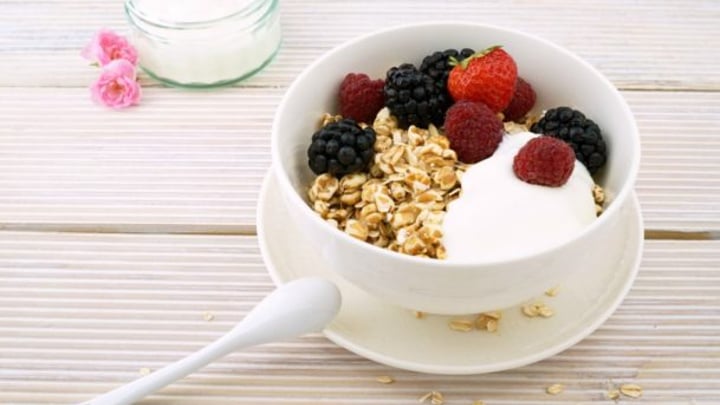
They sit proudly in supermarket trolleys wearing all the right labels – low-fat, high-protein, multigrain, plant-based, gluten-free. But some foods marketed as “healthy” may actually be packed with hidden sugars, salt, additives and ultra-processing that can work against us as we get older.
And for Australians in their 60s and beyond, that matters more than ever.
As we age, our metabolism changes, muscle mass naturally declines and our bodies become more sensitive to excess sugar, sodium and heavily processed foods. Heart disease, diabetes, high blood pressure and cholesterol concerns also become more common, making it even more important to know what’s really hiding inside everyday “health foods”.
Research has increasingly linked ultra-processed foods to poorer health outcomes, including heart disease and cognitive decline. Experts say the safest approach is often the simplest: foods that look close to how they came from nature are usually the better option.
Here are some of the biggest “healthy food” traps Australians are falling for – and what to choose instead.
Low-fat yoghurt
For years we were told low-fat yoghurt was the healthier choice. But when manufacturers remove fat, they often replace it with sugar, thickeners or artificial sweeteners to improve taste.
Some flavoured low-fat yoghurts contain surprisingly high amounts of added sugar – particularly the fruit-on-the-bottom varieties many people see as healthy breakfast options.
What to have instead:
Plain Greek yoghurt is often a better choice. It’s naturally higher in protein, more filling and usually much lower in sugar. Add your own fruit if you want sweetness.
Multigrain bread
“Multigrain” sounds wholesome, but the term simply means the bread contains more than one grain. It doesn’t necessarily mean those grains are whole grains.
Many supermarket loaves marketed as multigrain are still made largely with refined white flour and can contain added sugars and preservatives.
What to have instead:
Look for bread labelled “whole grain” or “wholemeal” where whole grains are listed high in the ingredient list. Dense grainy breads with visible seeds are usually a better bet.
Protein bars
Protein bars have become the handbag and glovebox snack of choice for many Australians trying to eat better.
The problem? Some contain as much sugar and saturated fat as a chocolate bar while still being heavily processed. Others contain long lists of artificial ingredients and sweeteners.
What to have instead:
A handful of nuts, boiled eggs, cheese and crackers, or fresh fruit with yoghurt can often provide more nutrition with less processing.
Fruit juice
Orange juice has long enjoyed a healthy reputation in Australian households, but many people don’t realise juice removes much of the fibre found in whole fruit while concentrating the sugar.
Even 100 per cent juice can deliver a significant sugar hit very quickly.
What to have instead:
Eat the whole fruit instead. You’ll get fibre, slower sugar absorption and feel fuller for longer.
Veggie chips
The packaging usually features beetroot, sweet potato or spinach leaves, but many veggie chips are still heavily processed, salted and fried.
Nutritionally, they can end up very similar to regular potato chips.
What to have instead:
Try roasted chickpeas, popcorn or homemade vegetable slices cooked in the oven or air fryer.
Gluten-free snacks
Unless you have coeliac disease or a diagnosed gluten intolerance, gluten-free products are not automatically healthier.
Some gluten-free biscuits, cakes and breads are actually higher in sugar, fat or additives to improve texture and flavour.
What to have instead:
If you don’t medically need to avoid gluten, focus less on the label and more on overall nutrition and ingredient quality.
Flavoured instant oatmeal
Oats themselves are excellent for heart health and cholesterol, but the flavoured sachet versions often come loaded with sugar and sodium.
Maple syrup and brown sugar varieties can contain far more sweetener than most people realise.
What to have instead:
Plain rolled oats topped with berries, cinnamon, banana or a drizzle of honey gives you more control over sugar levels.
Plant-based processed foods
Plant-based eating can absolutely be healthy – but not all plant-based foods are created equal.
Many meat-free burgers, nuggets and sausages are highly processed and can still be high in sodium and saturated fats.
What to have instead:
Choose minimally processed plant foods like beans, lentils, tofu, chickpeas and vegetables where possible.
Don’t fall for the marketing
Words like “natural”, “lite”, “organic” and “high protein” can make foods sound healthier than they really are.
Nutrition experts say reading the ingredients list is often more important than reading the front of the packet.
A good rule of thumb? If the ingredient list reads like a chemistry experiment, it may not deserve its healthy reputation.
That doesn’t mean you can never enjoy these foods. The occasional protein bar or flavoured yoghurt isn’t going to ruin your health. But understanding what’s really inside the packaging can help Australians make smarter choices – especially as we get older.





 Proudly Australian owned and operated
Comments 1
Join the conversation. Comments are reviewed before they appear.
Being Vegetarian, and a label reader, I certainly do not buy the manufactured plant foods. The alternatives, yes. Make my own muesli, and make Greek style Yomix yoghurt. But do buy Greek yoghurt, plain, usually Jalna, when I run out of my yomix, and when travelling. Beans, Lentils, Tofu, and eggs, all available in Supermarkets.
Join the conversation
Tell us who you are to post a comment. We'll remember you next time.