
Smart freezer tips that make cooking for one or two so much easier


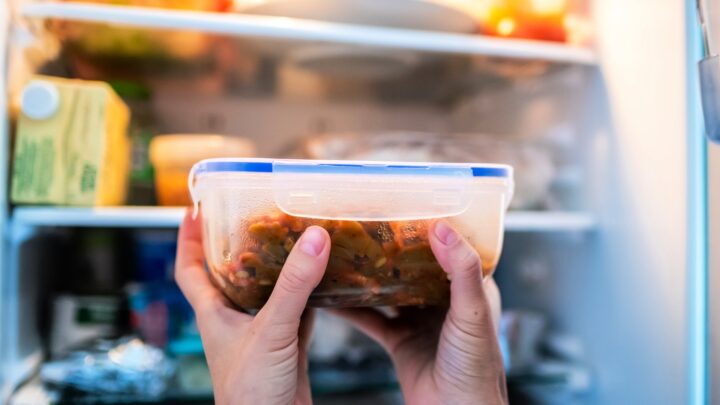
If you’ve spent years cooking for a full house, adjusting to smaller meals can feel like a big shift. But living alone or as a couple doesn’t mean you have to overhaul the way you shop or cook – even if your appetite has changed a little with age.
The secret is making your freezer work harder for you. Family-sized batches of ingredients or home-cooked meals can stretch across weeks, saving you time, money, and effort. And you might be surprised at just how many foods freeze beautifully with the right technique.
For some delicious inspiration, try this Italian-style braised chicken on roasted pumpkin and parsley mash. It’s perfect for portioning up and freezing, so a great meal is always just a reheat away.
Know what freezes well — and what doesn’t
Some foods really don’t suit the freezer – mayonnaise, cream-based sauces, and fresh lettuce are best eaten straight away or kept in the fridge.
But plenty of foods freeze better than you might expect. Cheese can be frozen if you slice or grate it first (this stops it crumbling after defrosting). Dough, batter, pasta and rice all freeze well – just undercook them slightly beforehand. Fresh herbs, most fruits and vegetables are also great freezer candidates.
Even eggs can be frozen – just crack them into a container first. An old ice tray with large compartments works a treat.
Freeze in portions for maximum convenience
Premade meals – from pasta bakes and casseroles to soups and stews – are ideal for freezing in single-serve portions. That way, you always have a quick, homemade dinner ready to go.
Dividing food into smaller portions also helps it cool faster, which preserves quality. Always let meals cool down completely before putting them in the freezer – adding hot food raises the internal temperature and can cause other items to partially defrost.
Freezing quickly is key to avoiding large ice crystals, which can leave your meal watery when reheated. Aim for a freezer temperature of -18°C (0°F) for best results.
Try blanching your vegetables first
Even leafy greens like spinach can be frozen successfully if you blanch them first. Simply drop the vegetables into boiling water briefly, then transfer immediately to iced water before drying thoroughly. There are plenty of guides online with recommended blanching times for different vegetables.
Defrost safely every time
Raw meat tends to freeze better than cooked – it holds its moisture more effectively. Whichever you’re defrosting, the safest method is in the fridge overnight, which keeps the temperature controlled and reduces the risk of bacteria.
If you’re short on time, you can defrost in cold water or in the microwave. With the water method, make sure food is sealed so it doesn’t come into direct contact with the water – this can introduce bacteria and affect the texture. If you use the microwave, cook the food immediately afterwards, as the process can begin to warm some parts of the food.
Always make sure meat – especially pieces with stuffing, bones, or joints – is fully thawed before cooking.
One point worth knowing: Australian and US food safety authorities actually disagree on refreezing thawed meat. The Australian Institute of Food Safety recommends against it, while the US Department of Agriculture says it’s safe if the meat was defrosted in the fridge. When in doubt, cook it first.
Meals made from previously frozen ingredients are fine to freeze again – though you may notice a slight drop in quality the second time around, as some moisture is lost in the first defrost.
How long can you keep food in the freezer?
Those storage time guides you’ll find online – “use mince within three months” and so on – refer to eating quality, not safety. Frozen food technically remains safe to eat indefinitely, because freezing halts the growth of the micro-organisms that cause food to spoil. That said, the sooner you use it, the better it will taste.





 Proudly Australian owned and operated
Comments 0
Join the conversation. Comments are reviewed before they appear.
Be the first to comment.
Join the conversation
Tell us who you are to post a comment. We'll remember you next time.