
Australia’s first Michelin stars are coming — and Sydney and Melbourne both missed out


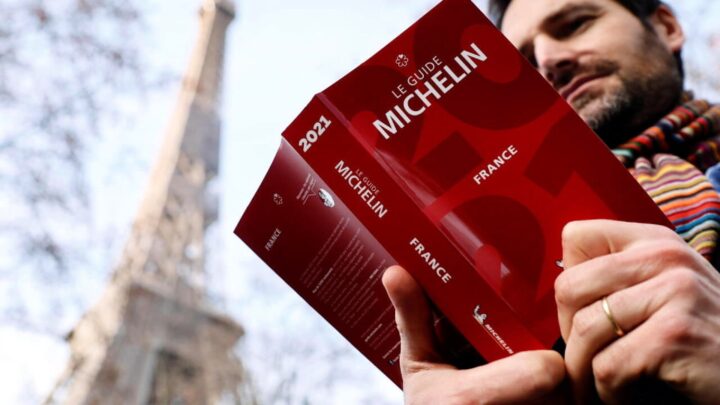
The world-famous Michelin Guide will soon be passing judgement on South Australia.
The first star scores for the state’s restaurants will be in print before the end of the year and top-secret assessments by undercover agents have already begun.
The introduction of Michelin stars to Australia comes after a deal, estimated to have cost more than $1 million, with the state government.
It comes as the Michelin Guide continues a program of global expansion that includes Malaysia, extending a success story that tracks back to the earliest days of motoring in 1900.
The idea for the travellers’ guide was one of the first, and most successful, automotive marketing campaigns and was created to inspire early ‘automobilists’ to drive more and then buy more – Michelin – tyres.
The SA expansion could quickly spread to the rest of Australia, although nothing has been announced as the state’s politicians have kept a solidly local focus.
“Today’s announcement is a fantastic recognition of what we already know: our state sits atop the nation’s foodie must-visit list,” said Emily Bourke, South Australia’s tourism minister.
“South Australia offers a vibrant calendar of food festivals and wine events, celebrating culinary excellence, from city dining experiences to regional gourmet celebrations, and we look forward to sharing this with Michelin Guide readers around the world.”
The criteria for Michelin assessment is focussed on its three-star ranking system, but for non-gourmands – and people on a tighter budget – it also has the ‘Bib Gourmand’ category for quality food at moderate prices.
“The restaurant selection in South Australia will be made according to the Michelin Guide’s historic methodology, focusing only on the quality of the cuisine proposed by the restaurants, which the anonymous Michelin Guide Inspectors evaluate by following five universal criteria: the quality of the ingredients, the mastery of cooking techniques, the harmony of flavours, the personality of the cuisine, the consistency both over time and across the menu,” said Gwendal Poullennec, international director of the Michelin Guide.
He also had preliminary thoughts on the future results.
“South Australia’s cuisine reflects a multicultural heritage, where European traditions and Asian influences come together in a contemporary and confident style,” he said.
“An ingredient-led philosophy prevails, supported by close ties to local producers, intuitive use of wood-fired and charcoal cooking, and native South Australian ingredients now being rediscovered in modern menus.”
The Guide’s approach includes the description of its undercover agents as ‘inspectors’ and focusses on their anonymous visits to sample restaurants.
The three-star rating system was originally developed as an independent assessment of French restaurants.
“One Michelin Star is awarded to restaurants for ‘high-quality cooking that is worth a stop’, Two Michelin Stars for ‘excellent cooking that is worth a detour’, and Three Michelin Stars for ‘exceptional cuisine that is worth a special journey’,” Michelin said, both then and now.
Regardless of the star rankings, the SA government is convinced the Michelin Guide will become a driver for tourism in the state, enticing travellers from other parts of Australia and also overseas.
The SA results will be revealed in October and available only – for free – in digital format on the Guide’s website, mobile applications and social networks.





 Proudly Australian owned and operated
Comments 0
Join the conversation. Comments are reviewed before they appear.
Be the first to comment.
Join the conversation
Tell us who you are to post a comment. We'll remember you next time.