
5 simple ways to keep bread fresh for longer


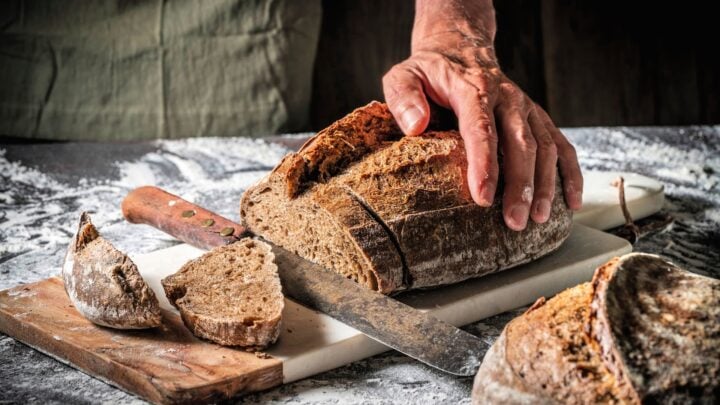
There’s nothing more disappointing than cutting into a beautiful loaf only to find it already dry, tough, or worse – starting to spot with mould. And here in Australia, especially through humid summers or fluctuating coastal weather, bread can turn quickly. And good bread isn’t just a staple, it’s part of daily ritual: toast with Vegemite in the morning, a proper sandwich for lunch, or crusty sourdough alongside soup for dinner.
And these days, its not cheap.
The good news is that keeping bread fresh isn’t complicated. With a few smart habits, you can extend the life of your loaf, reduce waste, and enjoy every slice exactly as it should be.
1. Choose Breathable Storage Over Plastic
While it’s tempting to leave bread in its supermarket plastic bag, plastic traps moisture. In warm weather, that encourages mould. In cooler conditions, it can leave crusty loaves limp and chewy.
A breathable storage solution, such as the reusable bread bag from Bread Winner Winner is the perfect solution. It helps regulate airflow while maintaining just the right internal humidity. This is particularly useful for sourdough or artisan-style loaves that need balance – enough air to keep the crust crisp, but not so much that the crumb dries out.
Reusable bread bags are also a more sustainable option, reducing reliance on single-use plastics, something many Australians are increasingly conscious of. The Bread Winner Winner Bread Bag retails for $45.
2. Keep It Out of the Fridge
It might seem sensible to refrigerate bread during a Queensland summer or a warm Sydney spell, but refrigeration actually speeds up staling. The cold causes the starches in bread to firm up more quickly, leaving it dry and crumbly.
Instead, store your bread at room temperature in a cool, dry part of the kitchen, away from direct sunlight and not on top of appliances that generate heat. A pantry shelf or shaded bench-top works well.
If mould becomes a concern, freezing is a far better solution than refrigeration.
3. Freeze Smart and Early
Freezing is one of the best ways to preserve freshness, particularly if you live alone or in a smaller household and don’t go through a loaf quickly.
The key is to freeze bread while it’s still fresh, not when it’s already starting to turn. Slice the loaf first so you can remove only what you need. Wrap it well or store it in a quality freezer-safe bag, removing as much air as possible.
Slices can go straight into the toaster from frozen. You’ll hardly notice the difference, and you’ll dramatically reduce waste.
4. Store Cut-Side Down
If you’ve bought a crusty loaf and are slicing it as needed, place the cut side down on a wooden board or inside your bread bag. The crust acts as a natural barrier, protecting the soft interior from air exposure. This simple trick, slows moisture loss, maintains texture and helps the loaf hold its shape.
It’s an old-fashioned method that still works beautifully today.
5. Revive, Don’t Toss
If bread has started to firm up but isn’t mouldy, it’s often salvageable. For crusty loaves, lightly sprinkle the outside with water and warm in a moderate oven (around 180°C) for 5–10 minutes. The heat rehydrates the interior and refreshes the crust.
For sandwich bread, toasting brings it back to life perfectly.
With grocery prices rising across Australia, throwing out half a loaf feels unnecessary, and avoidable.
Keeping bread fresh isn’t about fancy gadgets. It’s about thoughtful storage, smart freezing, and small daily choices. With a little care, you can enjoy better texture, better flavour, and less waste – all while making every loaf go that little bit further.





 Proudly Australian owned and operated
Comments 0
Join the conversation. Comments are reviewed before they appear.
Be the first to comment.
Join the conversation
Tell us who you are to post a comment. We'll remember you next time.