
A chef’s secret to making perfect Yorkshire pudding


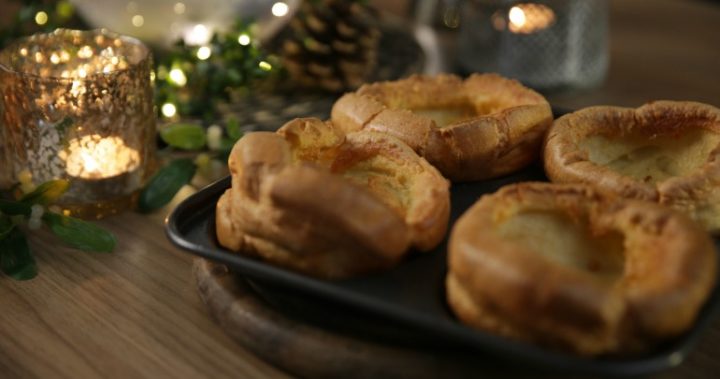
If you’ve ever been to the UK, you’ve probably heard of Yorkshire pudding — a simple batter consisting of eggs, flour and milk (essentially a pancake batter for savoury cooking).
Contrary to what people think, there is actually no ‘pudding’ in true Yorkshire pudding. In fact, those tasty airy bites, known to some as ‘popovers’, are traditionally British and paired up with a classic roast beef dinner.
The origins of Yorkshire pudding
The first recipe for Yorkshire pudding dates back to the 18th century, Sydney-based British chef Olivia Casson explains. This pudding originated as a ‘dripping pudding’, cooked beneath the meat (usually beef), as it was roasting on a spit to catch the meat juices and fat.
“The puddings were much flatter than the puffy versions known today,” she adds. “Dripping pudding was originally served as a first course to temper the appetite and make the meat go further.”
But in 1747, English cookbook author Hannah Glasse wrote The Art of Cookery Made Plain and Simple and reinvented and renamed the dripping pudding to Yorkshire pudding.
So what’s the secret to pudding success?
The perfect partner to roast beef, Yorkshire pudding is surprisingly simple to whip up, but keeping a few tricks on-hand can make all the difference.
A perfect Yorkshire pudding mixture needs to be light and airy. Casson insists chilling the batter a day before cooking.
“If you don’t have time, whisk in a couple of ice-cubes just before cooking to bring the temperature down,” she says.
And if you want the batter extra crispy, try adding an extra egg white.
The batter should be poured into a hot pan containing very hot fat and for maximum flavour, dripping (meat juices) is best. No one likes a deflated Yorkshire pudding, so Casson advises to “NEVER” open the over door in the first 20 minutes of cooking.
Serve pipping hot with beef and roasted veggies and drowned in gravy. Yorkshire pudding doesn’t have to be only served with roast beef, however. Serve them alongside roast chicken and gravy, or even for breakfast, with a generous dollop of jam.
Sound tasty? Here’s how to do it!
Ingredients
- 100g plain flour
- 3 eggs
- 75ml milk
- 75ml water
- 75g beef dripping or flavourless oil
- Pinch salt and pepper
Method
- Preheat your oven to 220°C.
- To make the batter, sift the flour into a bowl, hold the sieve quite high to give the flour a good airing, add some salt and pepper then make a well in the centre.
- Add the egg and beat with a whisk, then gradually add and beat in the milk and water. Pop in the fridge.
- 40 minutes before you are ready to serve your Yorkshire puddings take your tin (12-hole muffin tray) add the dripping (or oil) and place it in the oven to heat, for 10 minutes.
- When the fat is hot and just smoking pour the batter into the sizzling hot fat about ¾ of the way up.
- Immediately return the puddings to the oven.
- The pudding will take 25-30 minutes to rise and become crisp and golden.
- Serve as soon as possible!





 Proudly Australian owned and operated