
DNA technology empowers scientists to track sharks


By Catherine Bouris in Sydney
Environmental DNA technology is being deployed to detect and track bull sharks following a fatal attack.
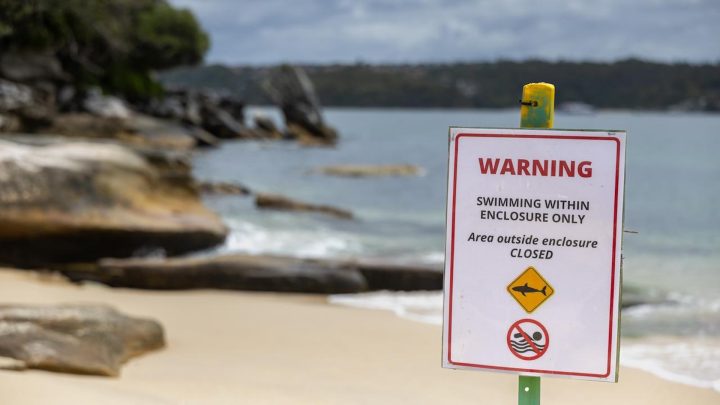
New technology is being deployed as a harbour city grapples with how to minimise shark attacks heading into summer.
Using environmental DNA or eDNA technology, shark scientists in Sydney will be able to detect and track bull sharks in Sydney Harbour.
Samples of shark DNA shed in the ocean, such as skin cells, mucus and other biological material, are being collected from 14 sites around the harbour.
Using eDNA technology, scientists can determine whether bull sharks have been in an area, helping them better understand their distribution.
They will then integrate detection data with environmental information, including temperature, salinity and rainfall, allowing researchers to establish whether environmental conditions impact bull shark movements.
Funded as part of the NSW government’s $120 million shark management program, the project began in October and will run until June.
It comes after a series of bull shark attacks along the coast last summer, one of which was fatal.
Rose Bay Secondary College student Nico Antic, 12, died in hospital in January after being bitten by a suspected bull shark near Shark Beach in Vaucluse.
The attack was one of four reported along the coast in just two days.
Other features of the state government’s shark management program include 305 SMART drumlines that collect data on when sharks are more likely to be caught, 39 shark listening stations, 51 shark nets and daily drone monitoring across 72 beaches.
Agriculture Minister Tara Moriarty said the government’s shark management program was using the best available science, technology and surveillance to keep people safe in the water.
“No one defining element will stop sharks but we can ensure we have strong and smart evidence, technology and systems to make our beaches and harbours safer,” she said.
“The investment in research combines with our funding for emerging technology like AI and drone automation so that we are continually developing our world-leading shark mitigation program.”





 Proudly Australian owned and operated
Comments 0
Join the conversation. Comments are reviewed before they appear.
Be the first to comment.
Join the conversation
Tell us who you are to post a comment. We'll remember you next time.