
Dating app signups surge ahead of Valentine’s Day


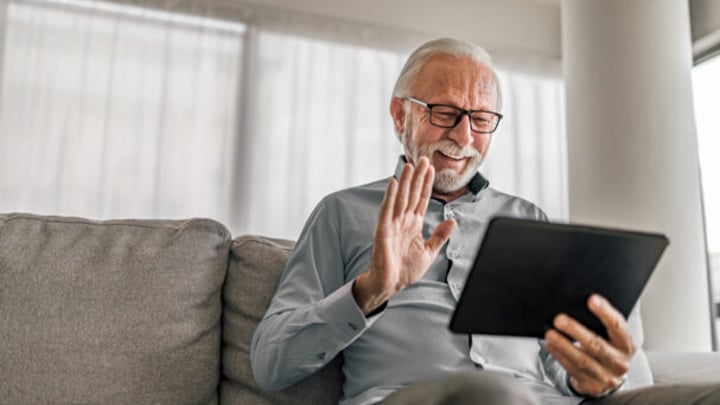
As Valentine’s Day approaches each year, dating apps and websites report surges in sign-ups from single people looking to dip their toe back into the dating market, while others now recovered from a break eager to have another go at finding love.
While many people have formed long-term partnerships, marriages and families through dating platforms, users have also reported plenty of negative experiences. These include deception, harassment and other risks associated with meeting strangers online.
Australian Catholic University School of Behavioural and Health Sciences Associate Professor, Megan Willis, said her own experiences have included reverse image searches that revealed her match’s photos belonged to a Canadian actor, a “single” man who “forgot” to mention his wife, and unsolicited photos of male appendages.
Research suggests rejection is a common feature of app-based dating. A 2025 experimental study that simulated dating app swiping found participants rejected about 80% of profiles on average, while other data point to similarly low match and conversation rates.
One study using dummy profiles on Tinder found men received as little as 0.6% of matches for every right swipe, compared to 10.5% for women. The same study found that even when matches occur, conversation is not guaranteed, with 21% of women sending a message to a new match compared to 7% of men.
A 2019 data analysis by dating app Hinge indicated that out of all potential matches – profiles shown to users based on algorithms and preferences – only one in 200 led to a conversation, and just one in 800 resulted in an exchange of contact information.
Taken together, this suggests the likelihood of a single swipe progressing to a connection beyond the app is extremely low.
Researchers say the large number of potential partners available on dating platforms can leave users feeling overwhelmed by choice, making them more selective and fostering what has been described as a “rejection mind-set”. Repeated rejection has also been linked to lower mood and diminished self-esteem.
According to the data, rejection on dating apps often takes the form of ghosting – a term given to when communication ends without explanation. Studies indicate being ghosted can trigger anger, anxiety and distress, with the ambiguity sometimes leading to self-blame and rumination or repetitive negative thoughts about the experience.
Safety concerns have also been identified. Research from the Australian Institute of Criminology found almost three in four dating app users have experienced some form of online sexual violence. Most commonly, this involved sexual harassment, abusive or threatening language, and unsolicited sexual images. One in three users also reported experiencing in-person sexual violence from someone they met through a dating app.
Misrepresentation is another documented issue, ranging from exaggerating personal details such as height, weight or age to more serious deception, including catfishing – another term coined to categorise somebody who deceives another using entirely false information, such as claiming to be single when they are in fact married.
A 2018 study found around 20% of Tinder users were married or in a long-term relationship.
Discovering this kind of deception can trigger anger, embarrassment, self-blame, and an erosion of trust that can make future interactions feel unsafe or daunting. Experts recommend users take steps to protect their emotional wellbeing while using dating apps.
Managing expectations can help reduce the emotional impact of rejection and ghosting, while seeking support from trusted friends may assist users in processing disappointment. One way to put this into practice is to say to yourself ‘I feel really disappointed this match didn’t work out, but it doesn’t mean there’s anything wrong with me. Dating apps are impersonal, and rejection is common.’
Users are also advised to avoid investing emotionally too quickly, given the prevalence of misrepresentation. Meeting in public places, sharing one’s location with a friend and waiting until a match’s identity has been verified can help improve safety.
Researchers have also identified “mobile dating fatigue”, marked by emotional exhaustion, cynicism and a decline in self-worth, which can result from repeated negative experiences. Taking a break from apps may provide an opportunity for an emotional reset.
Maintaining friendships, hobbies and a sense of purpose outside dating platforms can further buffer against distress and help ensure a person’s identity is not defined by their experiences while using these platforms.
Mobile dating apps have become a popular way to meet potential partners. Tinder, one of the most widely used platforms, presents users with photos of people located nearby, allowing them to either like or dislike profiles based on first impressions. If both users express interest, they can begin a conversation through the app’s chat function.
Research using curated Tinder profiles found differences in how men and women interact with the platform. Women typically accumulate matches quickly, while men tend to do so more gradually. The study also found that investing effort in profile presentation – particularly for male users – can significantly improve the chances of attracting attention.





 Proudly Australian owned and operated
Comments 0
Join the conversation. Comments are reviewed before they appear.
Be the first to comment.
Join the conversation
Tell us who you are to post a comment. We'll remember you next time.