
5 ways Australians over 60 can harness AI for a better, safer life


AI made headlines this week as Australia reached a major milestone – half of all businesses now use AI, powered by rapid tech investment and new government programs supporting SMEs and graduates. Globally, Microsoft unveiled its new MAI-Voice-1 model, Google launched AI “world simulators,” and OpenAI released GPT-5, pushing the boundaries of generative AI.
AI stocks have also been busy soaring in 2025, with several leading companies seeing record gains as investor excitement grows around the technology’s transformative potential. Quantum Computing Inc. surged over 2,200 per cent this year, while Palantir and other top AI firms posted triple-digit growth. Microsoft, Alphabet, and Meta each delivered strong results as cloud computing, AI infrastructure, and generative AI models became vital growth drivers for the sector. This rally has put AI stocks in the spotlight for investors worldwide.
It seems AI is everywhere. So Starts at60 decided to put it to the test. We asked AI tool Perplexity to write us a story about “How Older Australians can benefit from using AI”. Here’s the result.
Artificial intelligence (AI) isn’t just the talking point of tech expos or boardrooms – it’s quietly reshaping daily life for Australians aged 60-plus. From streamlining household tasks to keeping minds sharp and hearts connected, AI tools have moved beyond science fiction and into the fabric of modern retirement. Here are five smart, practical ways people in their sixties, seventies and beyond can use AI every day, and why embracing these changes now is a savvy move.
Virtual Companions for Connection and Cognitive Health
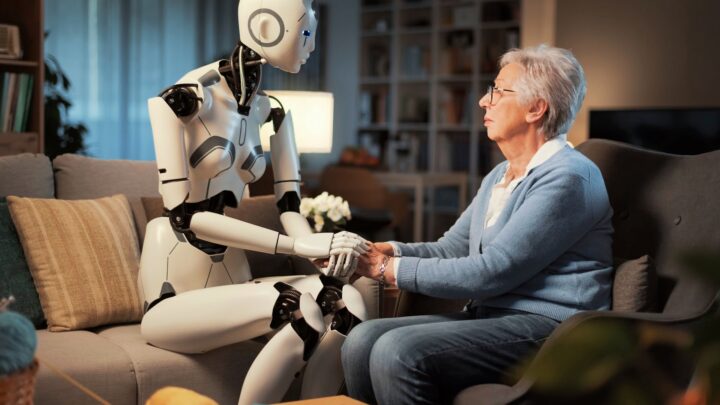
Loneliness is one of the biggest challenges facing older Australians, especially for those living solo or with limited mobility. Today’s AI companions – like ElliQ or Lovot – are always on hand to chat, answer questions, and even play memory games or trivia. These clever devices don’t just fill silence; they can help keep brains active. One study found daily interaction with an AI chatbot reduced reported loneliness and improved mood among older adults, offering connection on days when family and friends might be busy. For those navigating cognitive changes, AI games or conversational bots can provide gentle, stimulating activities that may delay memory decline.
Health Monitoring and Medication Management
Remembering medication times, tracking blood pressure, or spotting early warning signs of illness can get harder with age, but AI doesn’t forget. Smartwatches, fitness trackers, and home sensors powered by AI algorithms can monitor vital signs, remind users to take pills, and alert caregivers about unusual patterns. These systems can integrate directly with telehealth or pharmacy services, creating a digital safety net that’s always vigilant. For many older Australians wanting to live independently, the peace of mind offered by AI-driven monitoring is a game-changer.
Smart Home Support and Security
Forgetting to turn off the oven or struggling to adjust the thermostat is less of a worry with a smart home interface. Today’s AI-powered assistants – embedded in speakers, lights, and appliances – let users control household tech with just their voice or a smartphone tap. AI-driven cameras and motion sensors boost security too, automatically spotting unusual movement and alerting trusted contacts in case of a fall or emergency. As AgeTech advances, features are becoming simpler and more intuitive, designed with seniors in mind – not just tech whizzes.
Managing Money and Avoiding Scams
Scammers are getting smarter, but so are the tools designed to stop them. AI platforms can now help older adults manage their finances: checking bank balances, sorting bills, flagging unusual transactions, and even screening emails for fraud risk. Voice assistants or chatbots, often built into banking apps, can simplify everything from investment queries to budgeting tips. Importantly, AI’s ability to learn normal patterns means it can spot trouble – like an unfamiliar transaction – before a person might notice, offering an early warning against financial threats.
Enhancing Hobbies and Learning
Lifelong learning is a secret to healthy aging, and AI is an ideal tutor. Want to master a new recipe or pick up Italian? AI-powered language apps, virtual art classes, and recipe helpers personalise every lesson, matching the pace and interests of the user. Even daily tasks – like drafting emails, writing memoirs or planning a trip – are easier with a digital assistant ready to brainstorm or format ideas. AI can recommend new hobbies, curate playlists, and even suggest activities that align with a user’s abilities, turning every day into an opportunity for discovery.
Embracing AI isn’t about replacing human connection or expertise – far from it. It’s about adding new layers of convenience, safety, and enrichment to everyday life, long after retirement. For Australians 60-plus, these five uses of AI can bring more independent, vibrant, and secure years ahead – proving it’s never too late to let a little smart technology make life fuller.





 Proudly Australian owned and operated
Comments 0
Join the conversation. Comments are reviewed before they appear.
Be the first to comment.
Join the conversation
Tell us who you are to post a comment. We'll remember you next time.