
Lavender in Autumn: Keep Your Garden Fragrant Through the Cooler Months


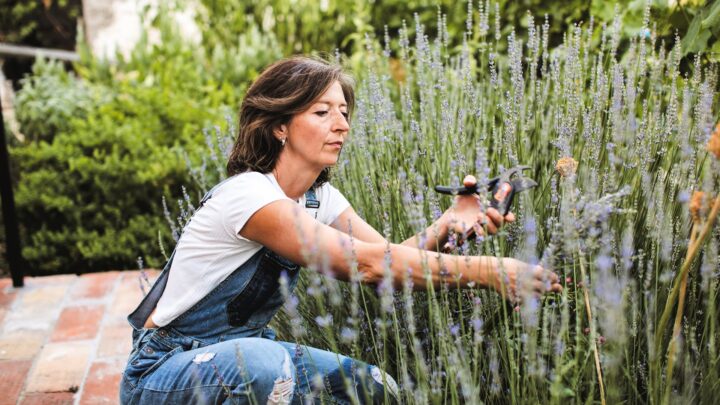
Lavender is one of the most reliable and rewarding plants for Australian gardens. With its silvery foliage, purple flowers and drought tolerance, it thrives in many parts of the country. Autumn is an especially important time for lavender care – what you do now can determine how healthy and floriferous your plants will be next spring.
Autumn is also one of the best times to plant lavender and that goes for most regions of Australia.
With the soil still warm from summer, the roots are encouraged into growth, while the cooler air reduces stress on young plants. This combination helps the lavender establish itself before winter arrives.
When planting:
Choose a full sun position (at least 6 hours of direct sun daily).
Ensure excellent drainage – lavender hates wet feet.
Improve heavy soils with coarse sand or gravel rather than rich compost.
Space plants 40 – 80 cm apart, depending on the variety.
Popular varieties for Australian gardens include English lavender (Lavandula angustifolia), French lavender (Lavandula dentata), and Spanish lavender (Lavandula stoechas).
In most temperate Australian areas, lavender benefits from a light tidy-up in early to mid-autumn, especially after the last flush of flowers.
Pruning tips:
Remove spent flower stems.
Trim back about one-third of the soft, leafy growth.
Never cut into old woody stems – lavender struggles to reshoot from old wood.
Shape the plant into a rounded mound to keep it compact.
Major pruning is usually better done after spring flowering, but autumn trimming prevents plants becoming leggy and messy.
One of the biggest threats to lavender in autumn and winter is excess moisture. Heavy rain combined with poor drainage can lead to root rot and fungal diseases.
To reduce risk:
Plant lavender in raised beds or mounds if soil is clay-based.
Avoid mulches that hold moisture, such as thick compost or bark.
If mulching, use gravel or small stones instead.
Good airflow around plants also helps prevent fungal issues.
And although lavender is generally tough, a few issues can appear as the seasons change.
Root rot – usually caused by poorly drained soil or overwatering can see your plants turn yellow and collapse. Prevention is the key here. Make sure you have sharp drainage.
Leggy growth – if plants weren’t pruned earlier in the year, they can become woody and sparse. Regular trimming helps maintain dense growth.
Aphids and sap-sucking insects – can occasionally appear on soft new growth. A strong spray of water or eco-friendly insecticidal soap usually solves the problem. But get onto it quickly.
Fungal leaf spots – this is more common in humid areas. Remove affected growth and improve airflow. Make sure you dump the fungal damage in the bin – never in the compost.
As for feeding in autumn – lavender prefers lean soil, so fertilising should be minimal. A light application of a low phosphorus, slow-release fertiliser can be used if plants look tired. Alternatively, a small amount of blood and bone or pelletised manure around the plant is sufficient.
Avoid heavy feeding, which can encourage soft, floppy growth.
Here’s a few quick autumn tasks to help your lavender sail through winter:
Take cuttings from semi-hardwood stems to grow new plants.
Remove fallen debris around plants to improve airflow.
Check drainage after heavy rain.
Harvest remaining flowers for drying.
Remember: lavender thrives on a simple formula – sunshine, good drainage and light pruning. By planting wisely and giving your plants a quick autumn tidy, you’ll set them up for lush growth and fragrant blooms when spring arrives.
And when those purple flowers return, so will the bees – making lavender one of the most valuable plants in any Australian garden.





 Proudly Australian owned and operated
Comments 0
Join the conversation. Comments are reviewed before they appear.
Be the first to comment.
Join the conversation
Tell us who you are to post a comment. We'll remember you next time.