
How Vitamin D impacts immunity, heart, brain and longevity



Despite its name, calling vitamin D a ‘vitamin’ is like calling a tiger ‘just a big cat’ – technically true, but dramatically understating its power. Vitamin D actually functions as a hormone that influences hundreds of processes throughout your body.
If omega-3s are playing lead guitar in your longevity band, then vitamin D is undoubtedly on lead vocals. This humble hormone has emerged as one of the most powerful tools in your hardiness toolkit, and yet most of us aren’t getting nearly enough.
When UVB rays from the sun hit your skin, they trigger a series of reactions that convert a cholesterol-like compound in your skin (7-dehydrocholesterol) into vitamin D3. This pre-vitamin then travels to your liver for the first transformation, and finally to your kidneys for the final activation. The result is a powerful hormone that can access nearly every cell in your body.
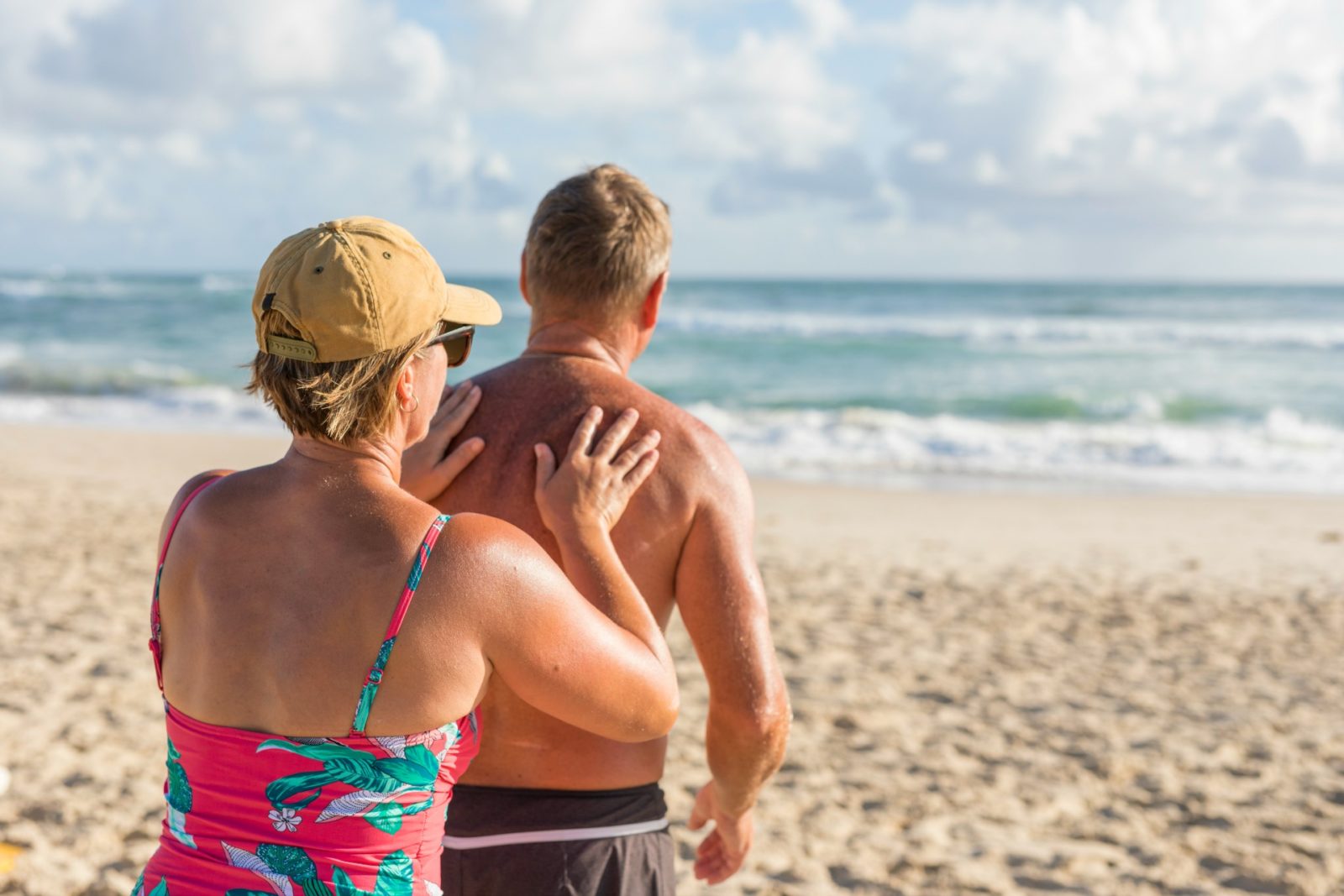
This natural production system is impressively efficient. Just 15 to 30 minutes of midday sun can generate 10,000 to 25,000 international units (IU) of vitamin D if you have fair skin – that’s up to 30 times the minimum recommended daily amount. Your skin basically has its own little vitamin D factory that works overtime when it sees the sun.
Of course, various factors affect this production:
· Skin pigmentation: Melanin is like sunscreen, so darker skin needs more sun exposure for the same vitamin D production.
· Age: Like everything else, production of vitamin D declines with age.
· Geography: Living in my birthplace Northern Ireland or further north? Good luck making vitamin D in winter.
· Time of day: UVB rays peak at solar noon – not necessarily 12pm thanks to changing time zones and daylight savings.
· Weather and pollution: Clouds and smog are the uninvited party-crashers of vitamin D production.
· Sunscreen: SPF 15 blocks about 95 per cent of vitamin D production. This is great for preventing skin cancer, but not so great for vitamin D levels.
Vitamin D’s day job: Pretty much everything
If vitamin D were a LinkedIn profile, it would be that annoyingly accomplished person with 50+ skills and endorsements in everything from ‘immune system regulation’ to ‘making your bones not snap like twigs’.
Its receptors are found in nearly every human tissue, which explains why it’s involved in so many bodily processes, including in the following roles:
· Immune system superhero: Enhances white blood cells’ pathogen-fighting abilities while keeping inflammation in check. Studies show adequate vitamin D levels may reduce susceptibility to respiratory infections, including colds, flu and even COVID-19. It’s like having an internal mask, but without the ear chafing.
· Cancer’s arch-nemesis: Helps regulate cellular division, potentially preventing the cellular hyperactivity that defines cancer. Research suggests optimal vitamin D levels are associated with reduced risk of colorectal, breast, prostate and other cancers. It can even induce cancer cell death (apoptosis) and prevent tumours from forming new blood vessels.
· Heart helper: Influences blood pressure regulation through the renin-angiotensin system. It also maintains the health of endothelial cells lining your blood vessels and may reduce arterial calcification. Multiple studies have linked vitamin D deficiency with increased risk of hypertension, heart attack, heart failure and stroke.
· Brain booster: Your brain contains significant vitamin D receptors, particularly in areas involved in memory and planning. Research suggests optimal vitamin D levels may help maintain cognitive function as you age and could protect against dementia and Alzheimer’s disease.
· Metabolism manager: Influences insulin secretion and sensitivity, potentially affecting diabetes risk. Observational studies have linked higher vitamin D levels with reduced risk of type 2 diabetes, and some intervention studies suggest vitamin D supplementation may improve glycaemic control in pre-diabetic individuals.
· Muscle maintainer: Beyond its well-established role in bone health, vitamin D also supports muscle function. Maintaining adequate vitamin D levels has been shown to improve muscle strength and reduce fall risk in older adults.
· Autoimmune peacekeeper: Helps regulate the immune system and may protect against autoimmune diseases, where your immune system mistakenly attacks your own tissues like a dog barking at its reflection. It essentially helps your immune system distinguish between actual threats and your own body parts.
The ultimate test: Does vitamin D help you stay alive?
Perhaps the most compelling evidence for vitamin D’s importance comes from studies examining all-cause mortality – science-speak for ‘death from anything’.
A comprehensive meta-analysis from 2014, published in the American Journal of Public Health, analysed 32 studies involving over 566,583 participants and found that people with the lowest vitamin D levels had nearly twice the risk of death compared to those with the highest levels. Think about that – twice the risk!
Another systematic review examining 12 studies with 32,142 mostly elderly participants found that a 20 nmol/L increase (or 8 ng/ml) in vitamin D was associated with an 8 per cent lower mortality risk.
This relationship followed a dose-response pattern, with mortality rates declining as vitamin D levels increased, until reaching a plateau at approximately 75 to 100 nmol/L (30 to 40 ng/ml) – suggesting this may represent the optimal range for not dying, which I think we can all agree is a pretty compelling health goal.
Edited extract from The Hardiness Effect: Grow from stress, optimise health, live longer by Dr Paul Taylor (Wiley, $34.95), available at Amazon and leading retailers. Dr Taylor is a keynote speaker, podcast host and thought leader with post-graduate qualifications in psychology, exercise science, nutrition and neuroscience. Driven by the belief that we can grow from stress and live longer, healthier lives with the right habits, Dr Taylor helps individuals and teams unlock the power of psychophysiological hardiness to perform at their best.





 Proudly Australian owned and operated