
How to Make the Perfect Cup of Tea (and why you should never squeeze the bag)


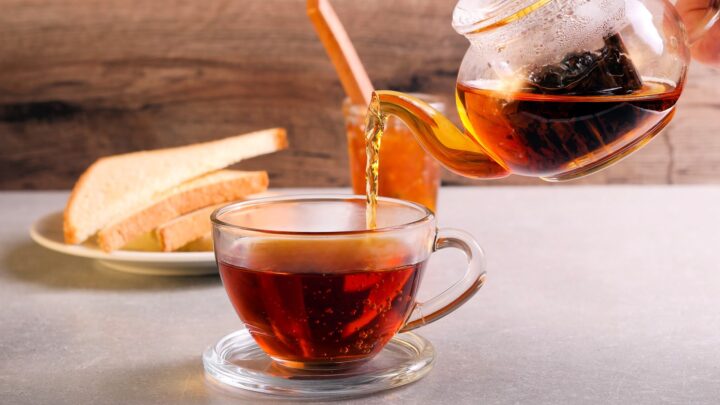
I once sat down for afternoon tea – swanky afternoon-tea at the Fairmont Chateau Lake Louise in Canada – and was genuinely surprised, even mildly horrified, to find they offered me … a tea bag. In a ritzy hotel overlooking sapphire lakes and snow-topped peaks, I naturally assumed loose leaf would be de rigueur. I mean, if you’re going to do tea, do tea properly, right?
But that moment got me thinking about how we actually enjoy tea – the rituals, the science, the world’s fascination with this simple brew. Because while tea bags have their place (and I’ll get to that), nothing quite prepares you for the aroma, depth and ceremony of a properly made loose leaf tea.
Tea: A Global Obsession
Tea is one of the most consumed beverages on the planet – second only to water itself. Across the globe, billions of cups are drunk every day, a testament to its versatility and cultural importance. It’s not a niche hobby; it’s a way of life.
In places like Sri Lanka, tea isn’t just a drink – it’s practically in the national bloodstream, with the average person consuming a staggering volume per year, rivalled only by other tea-obsessed cultures.
And while Australia isn’t quite at Sri Lankan levels of tea pilgrimages, we still hold a serious affection for the cuppa: roughly 12,000 tonnes of tea were consumed in Australia in 2024 alone, with demand rising as tastes diversify beyond the humble bag.
Loose Leaf vs Tea Bags: What’s the Real Difference?
Let’s get into the gritty bit. Tea bags are convenient, practical and, for many, perfectly acceptable. But they’re often packed with tea dust or fannings – tiny particles designed to deliver flavour quickly but often at the expense of nuance and fragrance.
Loose leaf tea, on the other hand, consists of larger, more intact leaves. When steeped properly, they unfurl and release a richer, more layered profile. It’s like comparing pre-grated cheese to a beautifully aged wedge that you shave yourself – both fill a need, but only one makes you pause and appreciate the craft.
A Quick Guide to the Perfect Cup
Here’s how to elevate your tea beyond “hot brown water”.
For Loose Leaf Tea (The Traditional Way)
Warm the Pot
Warm your teapot first. Pour in hot water, swirl, and discard. This keeps the brew at an even temperature.
Measure Thoughtfully
Use 1 teaspoon of loose leaves per cup (plus one for the pot). Adjust up if you like your brew strong.
Heat the Water Correctly
Black teas like Assam or English Breakfast thrive with freshly boiled water. Green teas prefer slightly cooler (~80 °C) just off the boil.
Steep with Patience
Let it steep undisturbed – usually 3–5 minutes depending on the tea. Don’t rush.
Strain Smartly
Pour through a strainer, never letting leaves sit in the pot beyond their steep time – over-steeping turns your tea bitter.
Tea Bags: Squeeze at Your Peril
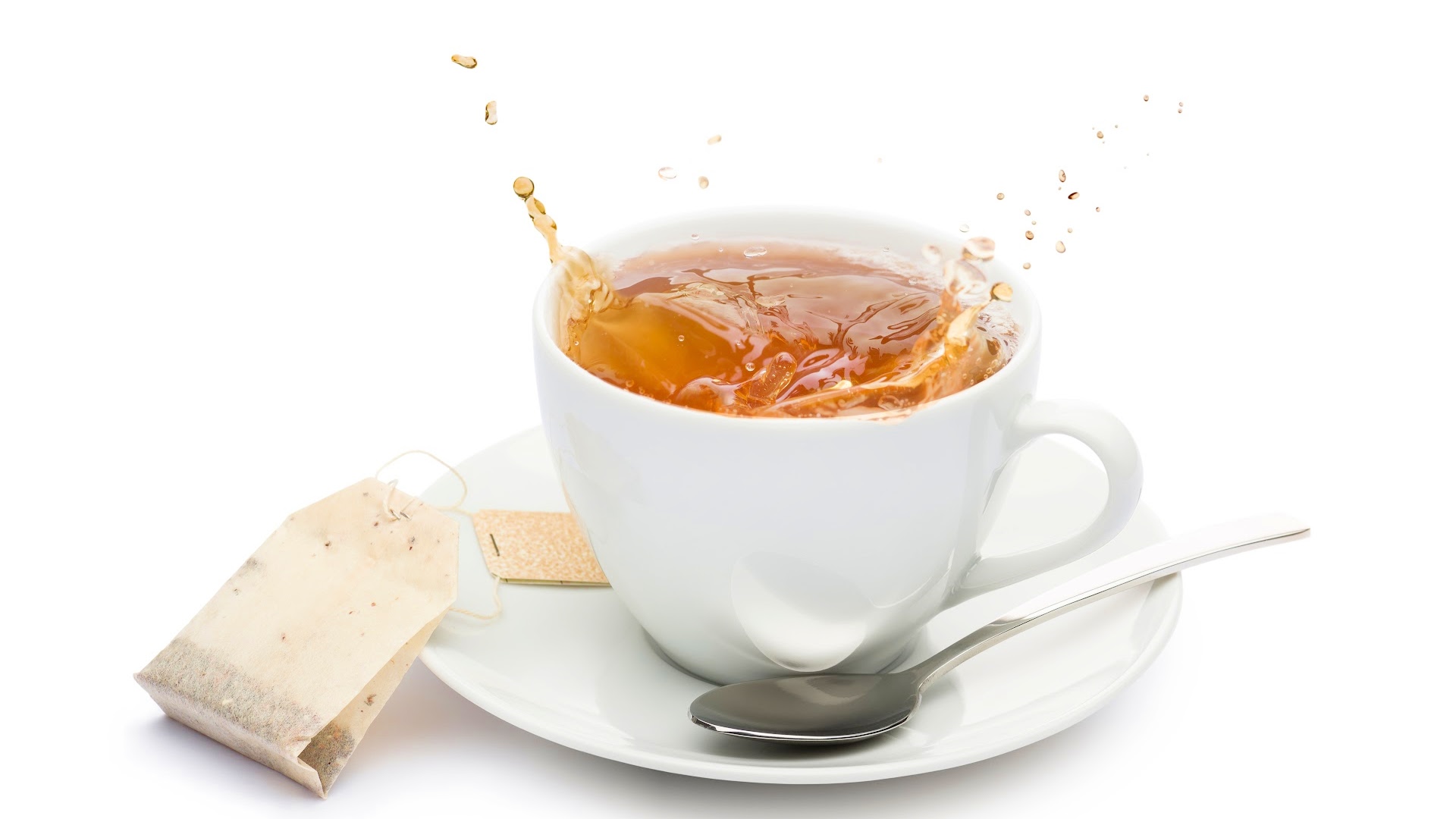
If you’re using a tea bag, for heaven’s sake don’t squeeze it like you’re wringing out a damp sock. That’s the cardinal sin of tea etiquette. Squeezing forces out tannins and bitter compounds that you do not want in your cup. Simply let it steep, lift it out gently, and appreciate the flavour that has been graciously coaxed out for you.
Where the World’s Best Tea Comes From
Tea is grown where the soil, altitude and climate conspire to produce remarkable flavours. China and India dominate production globally, together accounting for a vast share of the world’s leaves. China alone produces millions of tonnes annually, with a dizzying array of varieties from green to oolong, black to pu-erh.
Sri Lanka, once the British Empire’s prized source of Ceylon tea, is still celebrated for bold, bright black teas that hold up beautifully with milk. Kenya and Vietnam also produce exceptional teas that are gaining international acclaim.
And let’s not forget Japan’s delicate greens or Taiwan’s stunning oolongs – each region has its specialities, its terroir, its poetry.





 Proudly Australian owned and operated