
When E Bikes Take Over: A Coastal Town’s Warning


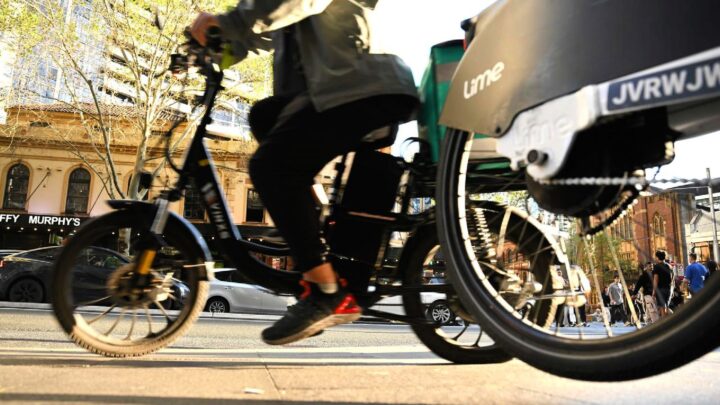
I live in a small town on the NSW South Coast, and lately I dread the school holidays. Each time the long break arrives, so do the e bikes. For many young riders they might as well be motor vehicles. What we see now is fast, reckless riding down footpaths, through parks and through already congested streets filled with holiday traffic. It feels like only a matter of time before someone is seriously hurt.
Just last week, I almost collided with two young girls weaving in and out of cars on the main street. They either did not know the road rules or simply did not care, and that is part of the issue. I watch kids playing near parks and cafes while their parents chat nearby, and all it would take is one rider coming around a corner too fast to hit an older person or a young child. The consequences would be devastating and preventable.
What is even more worrying is the lack of safety from the riders themselves. I often see two people sitting on one bike, the second rider dangling off the back with no helmet, sometimes even just wearing a bikini. The speeds these bikes reach could shred skin and cause life changing injuries in a fall, and yet there seems to be no understanding of the risks. In the evenings, groups of boys tear through parks, doing wheelies over park chairs, ripping up grass and blasting through benches. The e bike has become a toy rather than a transport option.
Meanwhile, the price of some of these e bikes is astonishing. I am all for teenagers having fun and finding outlets for their energy, but whatever happened to pedalling a bike up a hill and tiring yourself out. For many kids, a standard push bike would not only be safer but would give them the chance to burn off some of that restless energy without speeding through town on a motorised machine.
Under current NSW laws, an electrically assisted bicycle is legal if it follows strict guidelines. The motor cannot exceed a continuous rated power of 500 watts and the electric assistance must taper off as the bike reaches around 25 kilometres per hour. The motor must stop providing assistance once the rider stops pedalling. These rules are designed to ensure that a legal e bike behaves like a regular bicycle with a little help, not like a moped. Riders do not need licences or registration, but they must follow the same road rules as any cyclist.
The Queensland government, which is holding a parliamentary inquiry into e-mobility safety, is considering registration.
On Tuesday, the Victorian Automotive Chamber of Commerce (VACC) criticised the state government’s decision to reject a coroner’s recommendation for e-bike registration.
The problem is that many of the e bikes we see on the streets, especially in holiday towns, are not legal. They are modified or sold with motors that allow far higher speeds, sometimes hitting 50 to 60 kilometres per hour. In small coastal towns with narrow footpaths, shared spaces and a mix of elderly locals, families and tourists, these speeds are incredibly dangerous.
After a series of serious accidents, including a fatal crash in Sydney’s CBD, Premier Chris Minns has announced major changes to e bike regulations. The proposed laws include reducing the maximum motor output for new e bikes from 500 watts to 250 watts and limiting electric assistance to lower speeds. There is also an effort to crack down on non compliant models and tighten battery safety. Enforcement will be stepped up and the state is looking closely at bikes that behave more like motorbikes than bicycles. It is a step in the right direction and acknowledges the growing danger these machines can pose.
Coastal towns like mine feel the impact of e bike misuse more intensely than cities. Narrow paths, holiday crowds and a mix of vulnerable pedestrians create a perfect storm when fast moving riders treat public spaces like racetracks. Every time I step onto a footpath, I find myself checking both ways not for cars but for teenagers flying past on machines that weigh as much as a small motorbike. It has fundamentally changed the feeling of safety in our community.
E bikes can absolutely be part of a greener and more efficient future, but not like this. Without better awareness, consistent enforcement and a cultural shift in how young riders see responsibility, small communities will keep bracing for the moment something truly awful happens. My hope is that with the changes being discussed in NSW and with more education around what is legal and what is safe, we can find a balance. No one wants to ban e bikes altogether. We simply want our towns to feel safe and to protect the people who live, walk and holiday here.
Because for many of us, the question is not whether e bikes belong in our communities. The real question is how many close calls we will have to endure before we finally see meaningful change.
IMPORTANT LEGAL INFO This article is of a general nature and FYI only, because it doesn’t take into account your personal health requirements or existing medical conditions. That means it’s not personalised health advice and shouldn’t be relied upon as if it is. Before making a health-related decision, you should work out if the info is appropriate for your situation and get professional medical advice.





 Proudly Australian owned and operated
Comments 0
Join the conversation. Comments are reviewed before they appear.
Be the first to comment.
Join the conversation
Tell us who you are to post a comment. We'll remember you next time.