
Has Pauline Hanson changed – or has Australia? One Nation’s surge in context


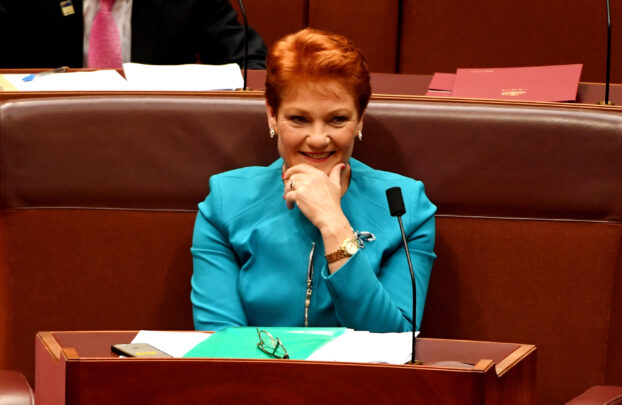
Pauline Hanson’s One Nation party has surged in recent polls, now appearing competitive with the Coalition in primary vote intention.
This resurgence has prompted questions about whether Hanson herself has altered her message over the decades, or whether a shifting political landscape has made her long-held views more resonant with a broader swathe of the Australian electorate.
Examining both her rhetoric over time and the broader international context – from immigration debates in the UK to the persistence of nationalist politics in the United States – helps explain why One Nation’s message is gaining even more traction in 2026.
Has Hansen Changed – or Australia?
Recent polls show One Nation climbing significantly, with some surveys putting the party around 18–23 per cent support – levels that rival or even match the Coalition’s primary vote in 2026. This has sparked debate about whether Pauline Hanson’s politics are gaining wider acceptance in Australia’s current climate.
When Hanson first entered federal parliament in 1996, her maiden speech focused on immigration and multiculturalism, including the controversial claim that Australia was being “in danger of being swamped by Asians” – a phrase that defined her early reputation.
Over the years, her core themes have included criticism of high immigration levels, cultural cohesion, and protectionist economic policies.
Today, One Nation continues to campaign on reducing immigration – proposing caps such as limiting visas to about 130,000 annually – and argues that high migration is linked to housing strain and infrastructure pressures.
Hanson herself insists her position has not shifted substantially. Responding to recent poll results, she stated that concerns about immigration are long-held and now reflect broader public sentiment. “For many years we’ve been saying immigration is too high and must be substantially reduced … Australians think it’s too high and they want it lowered,” she said in late 2025.
Critics and analysts note that while Hanson’s core rhetoric has stayed remarkably consistent, the specific targets and context have evolved. Early controversies centred on opposition to Asian immigration in the 1990s; today, debates include broader multiculturalism issues and Muslim immigration in particular.
One Nation Today: Organisation, Members and Candidates
One Nation today is no longer merely a fringe protest movement but an established political party with a growing organisational footprint. At the 2025 federal election the party ran candidates in 147 of the 150 House of Representatives seats, demonstrating an ambition to be a nationwide force rather than a regionally confined one.
While its House primary vote in May was 6.4 per cent, roughly half that of the Greens, the party doubled its presence in the Senate, winning four seats — matching the Nationals’ representation in the upper house. This increase gives One Nation a more influential voice in federal parliamentary processes despite its limited representation in the lower house.
One Nation says its membership has expanded significantly since the 2025 election, with internal figures indicating a 55 per cent increase nationally and the formation of new local branches aimed at establishing a presence in every federal electorate. Independent analysts suggest the party’s membership currently sits in the tens of thousands – possibly around 45,000 – and growing by several hundred members daily as it builds grassroots structures.
At the ballot box, One Nation’s strategy of running extensive tickets has meant it fields more candidates than many minor parties. The large number of candidates – across nearly all electorates – contrasts with its relatively small federal vote share, and points to organisational growth rather than immediate electoral success.
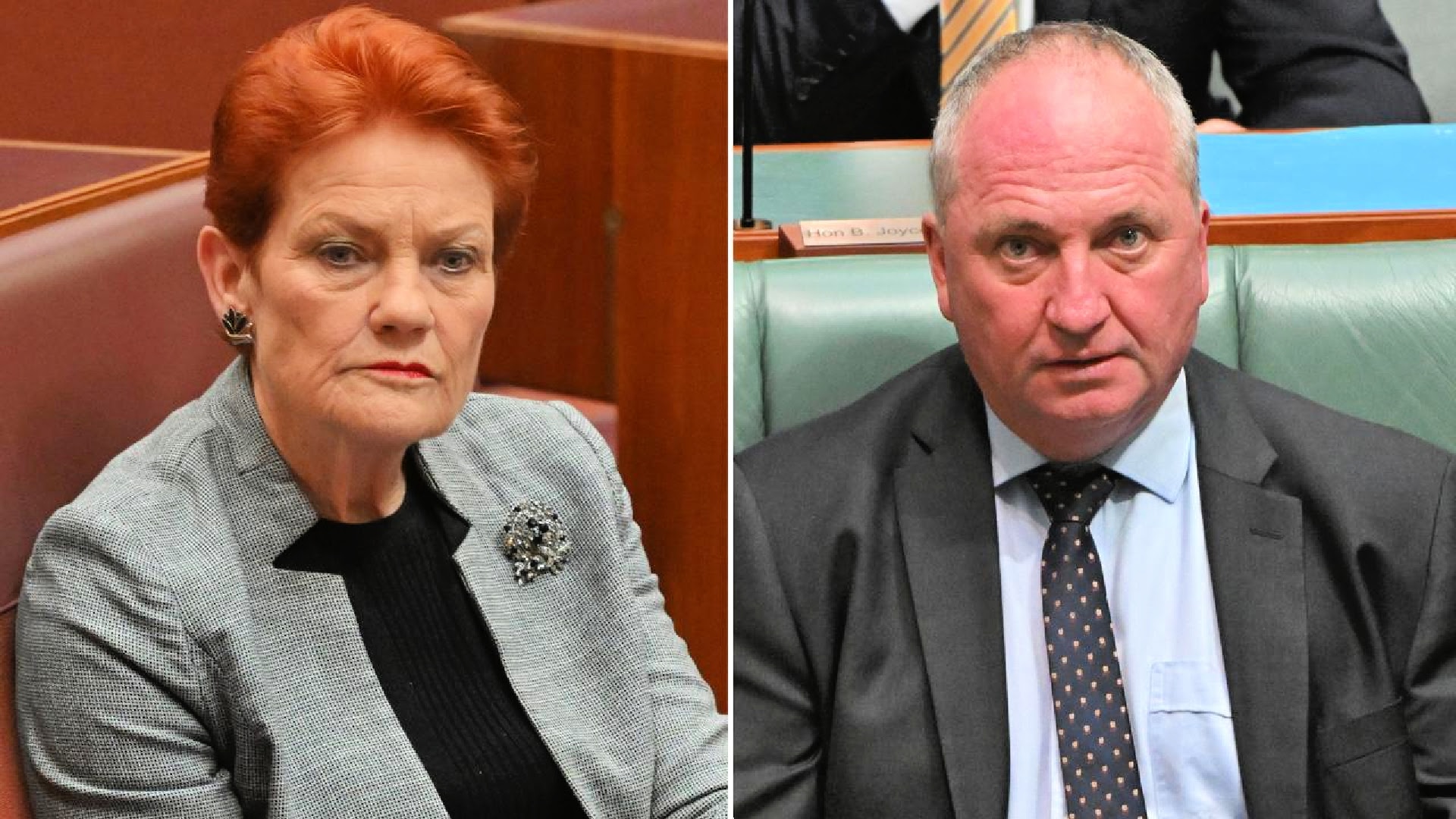
Figures like former Nationals leader Barnaby Joyce joining One Nation have also injected fresh attention and resources into the party, lending it a profile boost. Some polls now show One Nation’s primary vote climbing into double digits – in places reportedly approaching or exceeding the Greens – though such poll figures have not yet translated to lower house seats at federal elections.
In short, One Nation’s party structure and activity are expanding: more members, more branches, more candidates and a stronger Senate foothold. Whether this organisational momentum will convert into lasting political power beyond the Senate remains an open question ahead of future elections.
The rise of the Right across the World
Internationally, similar patterns have emerged. Right-of-centre voices in the UK – such as Nigel Farage’s Reform UK – have made immigration a central issue, and in the United States, President Donald Trump brought migration and border control to the centre of political debate. These global trends suggest that nationalist and immigration concerns have become more prominent across several advanced democracies, not just in Australia.
Immigration is widely recognised inside the UK as one of the most prominent political and social issues of the moment. Recent polling confirms that concerns about immigration – particularly around asylum seekers and small boat crossings – are shaping public debate, election strategy and media coverage.
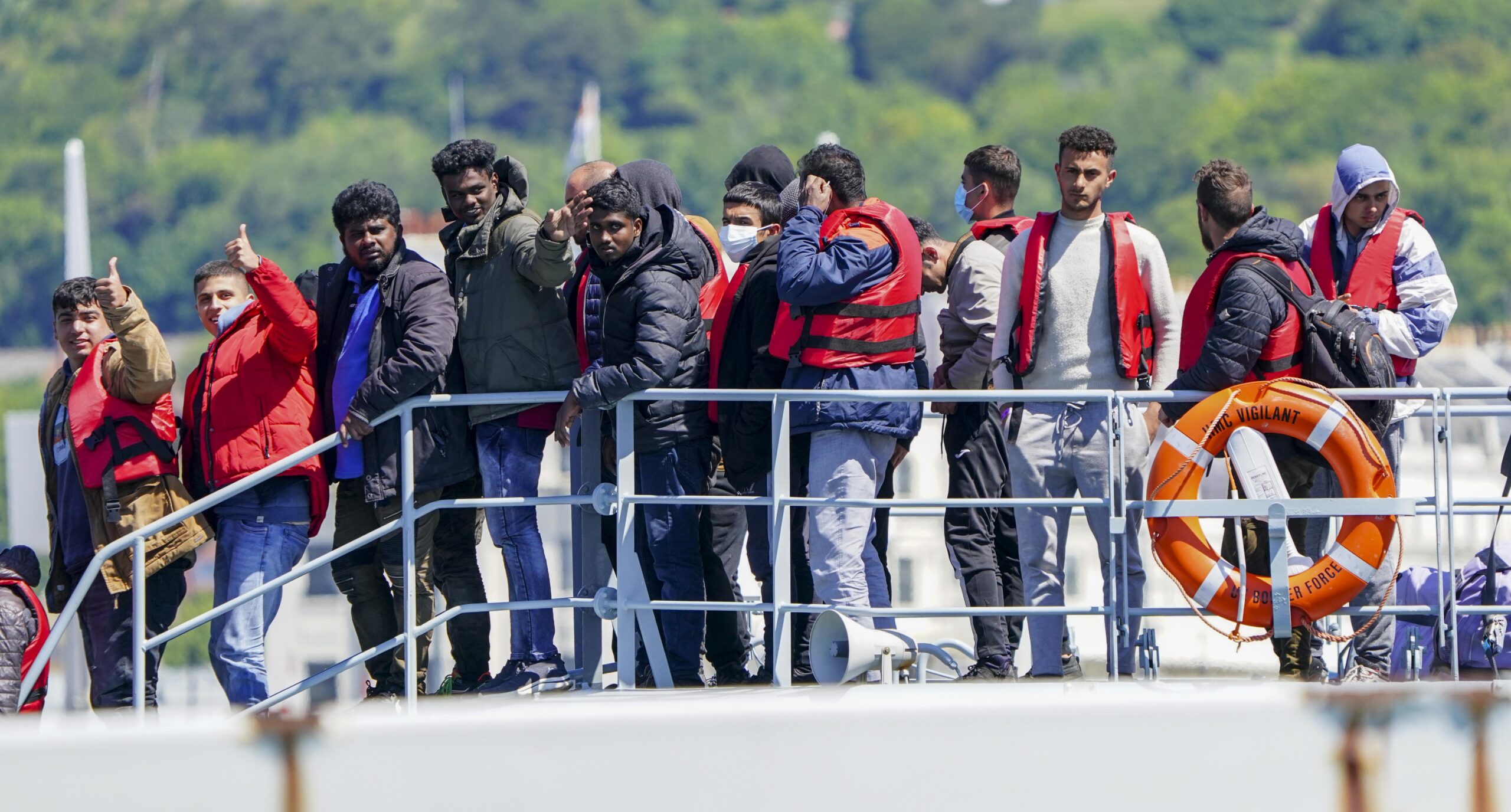
Around two in five Brits list immigration as one of the country’s most important issues, often ahead of or on par with the economy and healthcare – and concern is particularly strong among supporters of right-leaning parties.
Separate polls suggest that a majority of the British public believes immigration levels are “too high”, and many feel current policy hasn’t sufficiently addressed irregular arrivals by small boats across the English Channel.
At the same time, broader data trackers have found public dissatisfaction with how successive governments have handled immigration is at its highest in a decade, with distrust expressed across traditional party lines.
This sentiment reflects perceptions rather than strictly numbers. Net migration has fallen sharply since its pandemic peak, but public belief often remains that it is rising – a gap analysts say is driven in part by high-profile media coverage of irregular arrivals and asylum processing issues.
Back home in Australia, it remains to be seen whether Hanson’s message has changed or simply found a more receptive audience, the combination of persistent themes and evolving political sentiment has helped One Nation’s profile rise at a time when many voters express disillusionment with traditional parties and focus strongly on issues like immigration, housing and national identity.





 Proudly Australian owned and operated
Comments 0
Join the conversation. Comments are reviewed before they appear.
Be the first to comment.
Join the conversation
Tell us who you are to post a comment. We'll remember you next time.