
Our ABC, Julia Baird and a chilling Christmas read


Read This Next
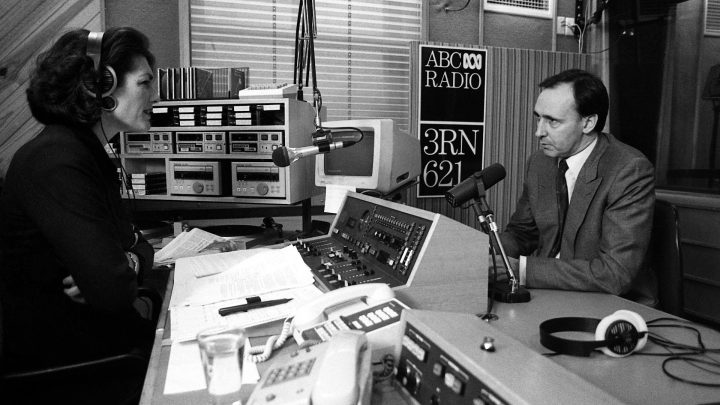
For many of us, the ABC has been part of daily life since childhood, but a new book turns the attention to the people tuning in and what they had to say about the ABC.
Also on the reading pile, Julia Baird explores what it means to become a good man, while Freida McFadden puts a sinister spin on Christmas gift-giving. There’s an extraordinary Australian life to discover in Grantlee Kieza’s Frank Hurley, plus a magical adventure to put on the grandchildren’s Christmas list.
The conversation worth having with your son’s and grandson’s
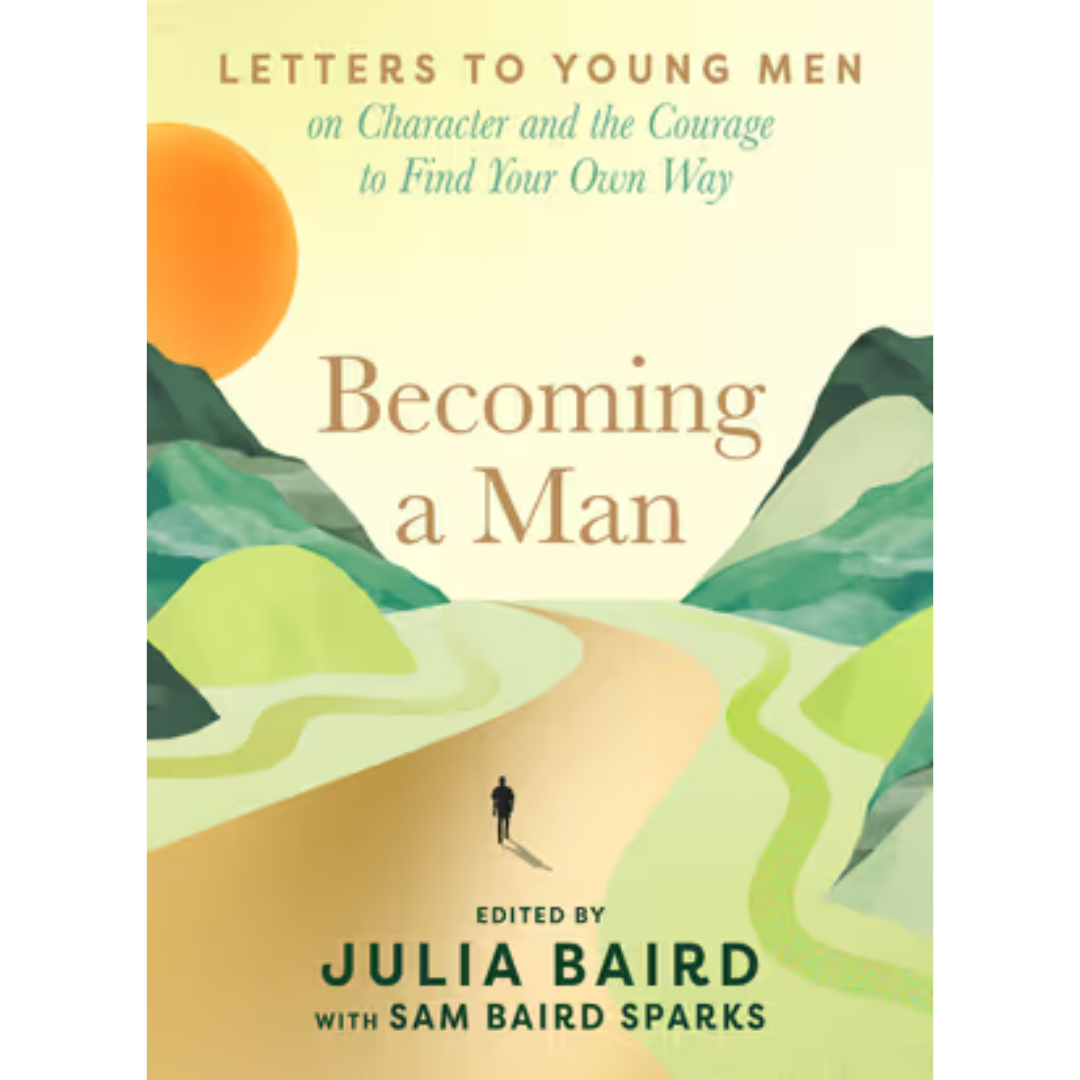
When Baird’s son Sam turned 16, she asked family and friends to write him a letter about being a good man. He read their responses in a single, three-hour sitting.
Baird and Sam have since brought together contributions from more than 60 men, exploring masculinity through personal experience. The contributors include former prisoners as well as public figures, with room for admissions of failure alongside the advice.
For Starts at 60 readers, the appeal goes beyond finding a present for a teenage grandson. This is an opening for conversations that can feel difficult to begin, especially when ideas about masculinity have shifted since your own childhood.
Verdict: A thoughtful gift for a teenage grandson, with plenty for the adults in his life to consider too.
The Christmas gift with a dangerous catch
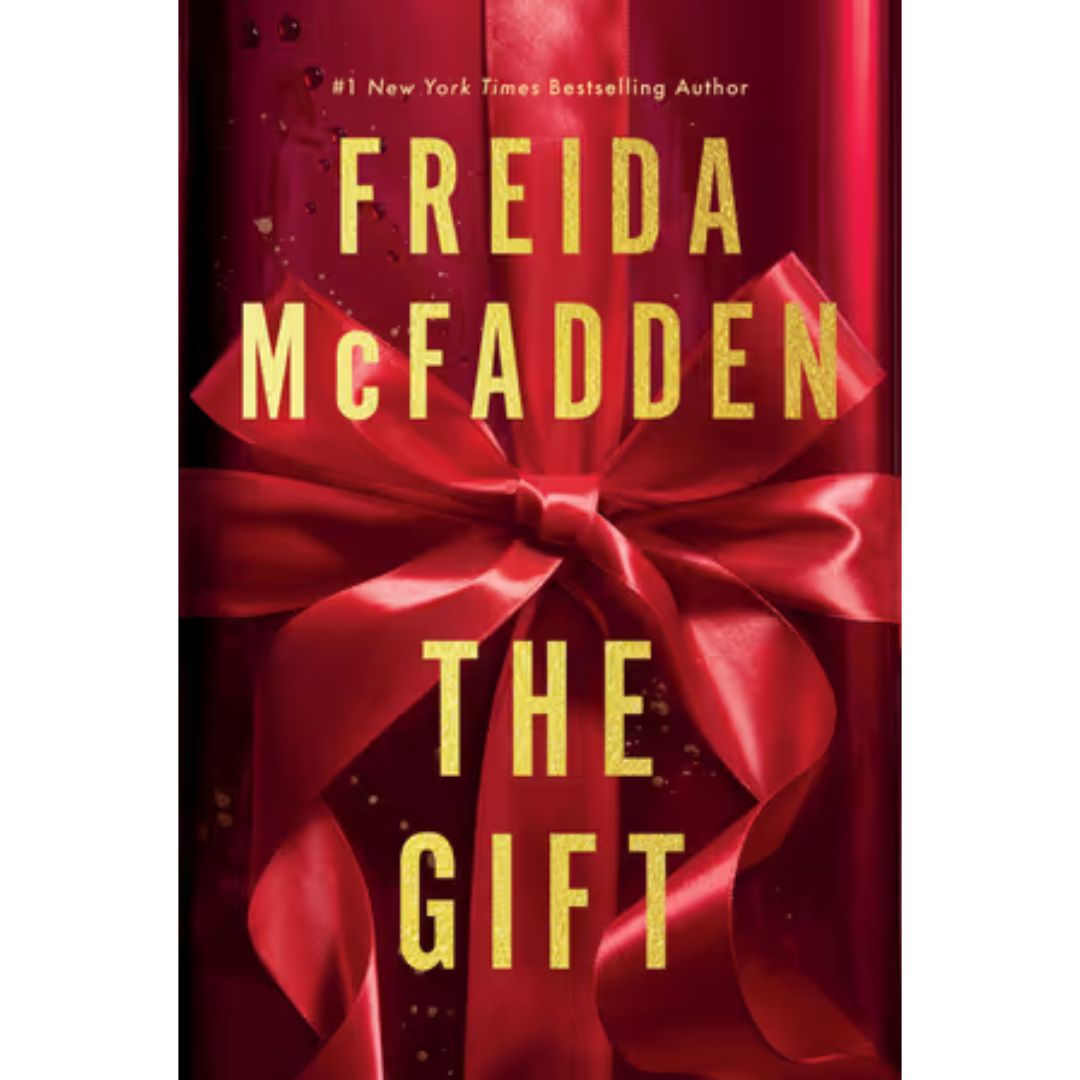
If your Christmas reading usually involves a snow-covered cottage and a romance you can see coming by chapter two, Freida McFadden offers a sharp change of mood.
Stella is working two jobs but cannot afford a present for her husband for their first Christmas together. When a pawn shop owner offers her a trade, the chance to give him something special comes with an unsettling condition.
Inspired by O. Henry’s The Gift of the Magi, this story takes a familiar idea about sacrifice and moves it into thriller territory. Fans of The Housemaid have an obvious reason to investigate, although this is a short story rather than a full-length novel.
Verdict: One for thriller fans who fancy a brief escape from the festive sweetness. Buy it expecting a short read.
The Australian who risked everything for a photograph
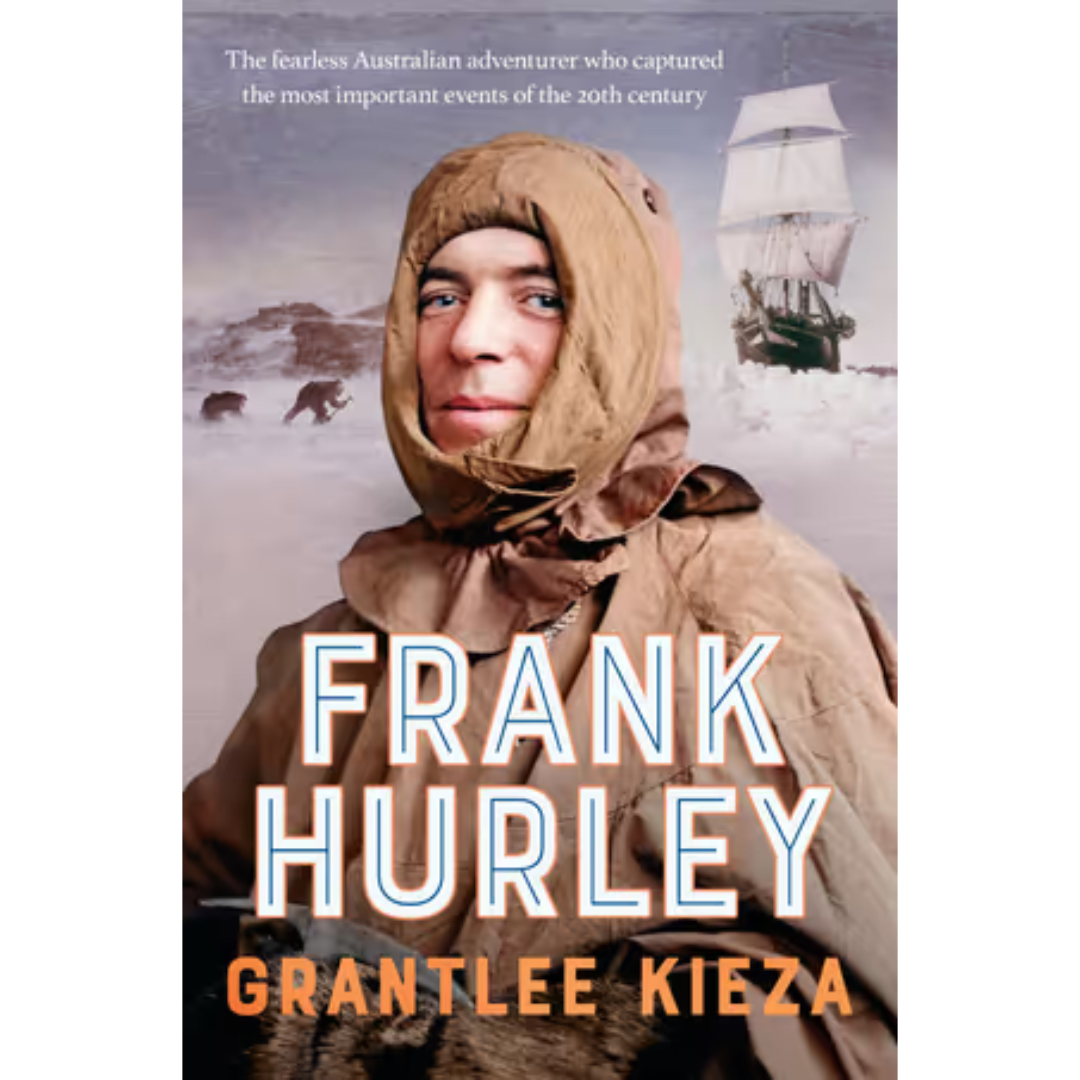
Some biographies need a persuasive introduction. Frank Hurley’s includes Antarctic expeditions with Douglas Mawson and Ernest Shackleton, before you even reach his work documenting war.
The photographer and filmmaker repeatedly put himself in danger to record events most people would never witness. Kieza’s biography follows a life spent pursuing extraordinary images, with a foreword by Hurley’s granddaughter, Toni.
For readers who enjoy Australian history, Hurley offers a way into major events through one restless individual.
Verdict: A promising choice for the history reader who prefers to follow a remarkable life rather than work through a broad account of an era.
What Australians really thought of the ABC
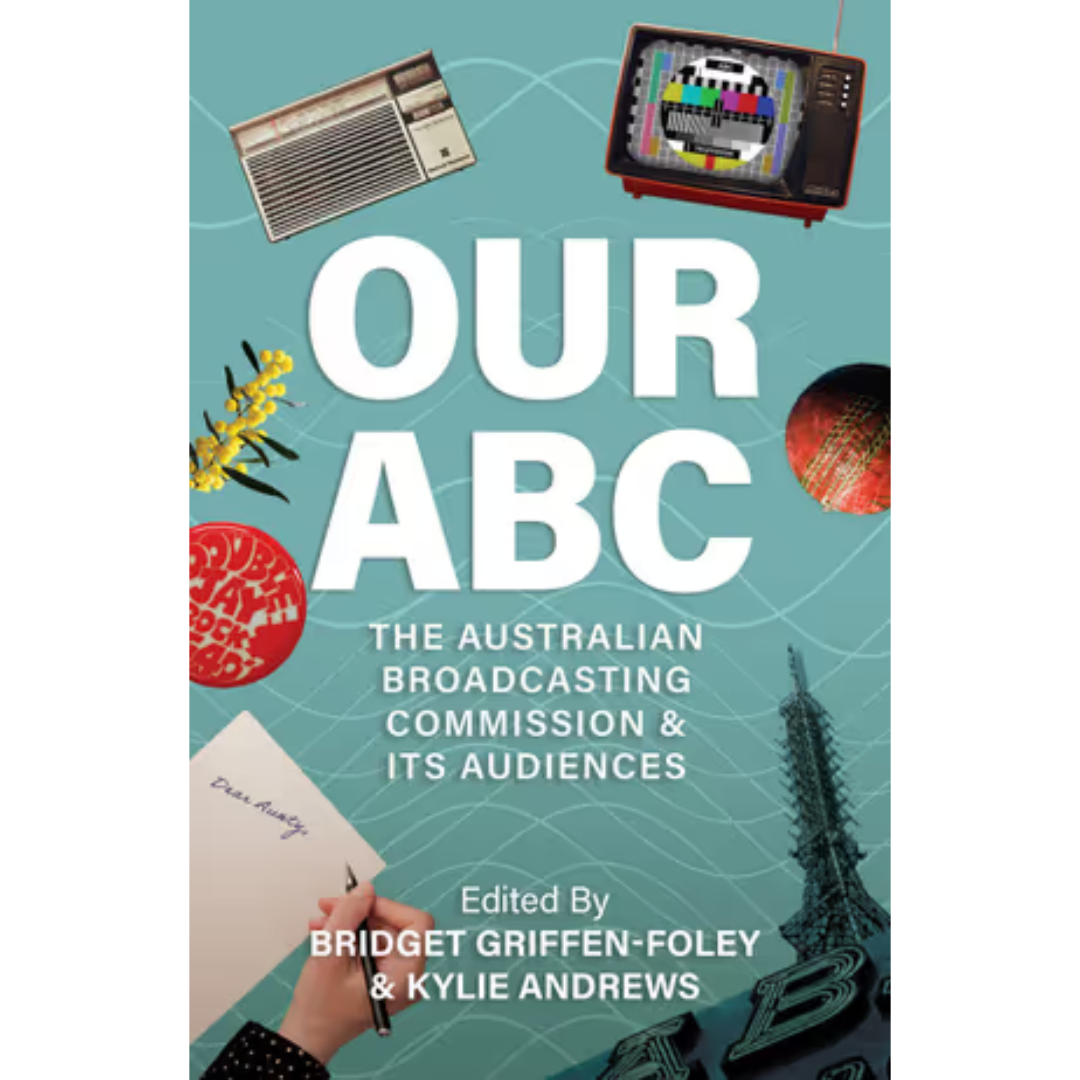
Our ABC – Bridget Griffen-Foley and Kylie Andrews
If the ABC has been part of your household for as long as you can remember, its history is likely to overlap with your own.
Our ABC explores the broadcaster’s relationship with its audiences during the Australian Broadcasting Commission years, from 1932 to 1983. That takes it from radio into the television age, when viewing became part of the family routine.
Audience letters and call logs help reveal what people wanted from their national broadcaster, along with the things that prompted them to complain.
Verdict: Best suited to readers interested in broadcasting history, with a personal connection for those who grew up with Auntie.
The radio station your parents didn’t understand
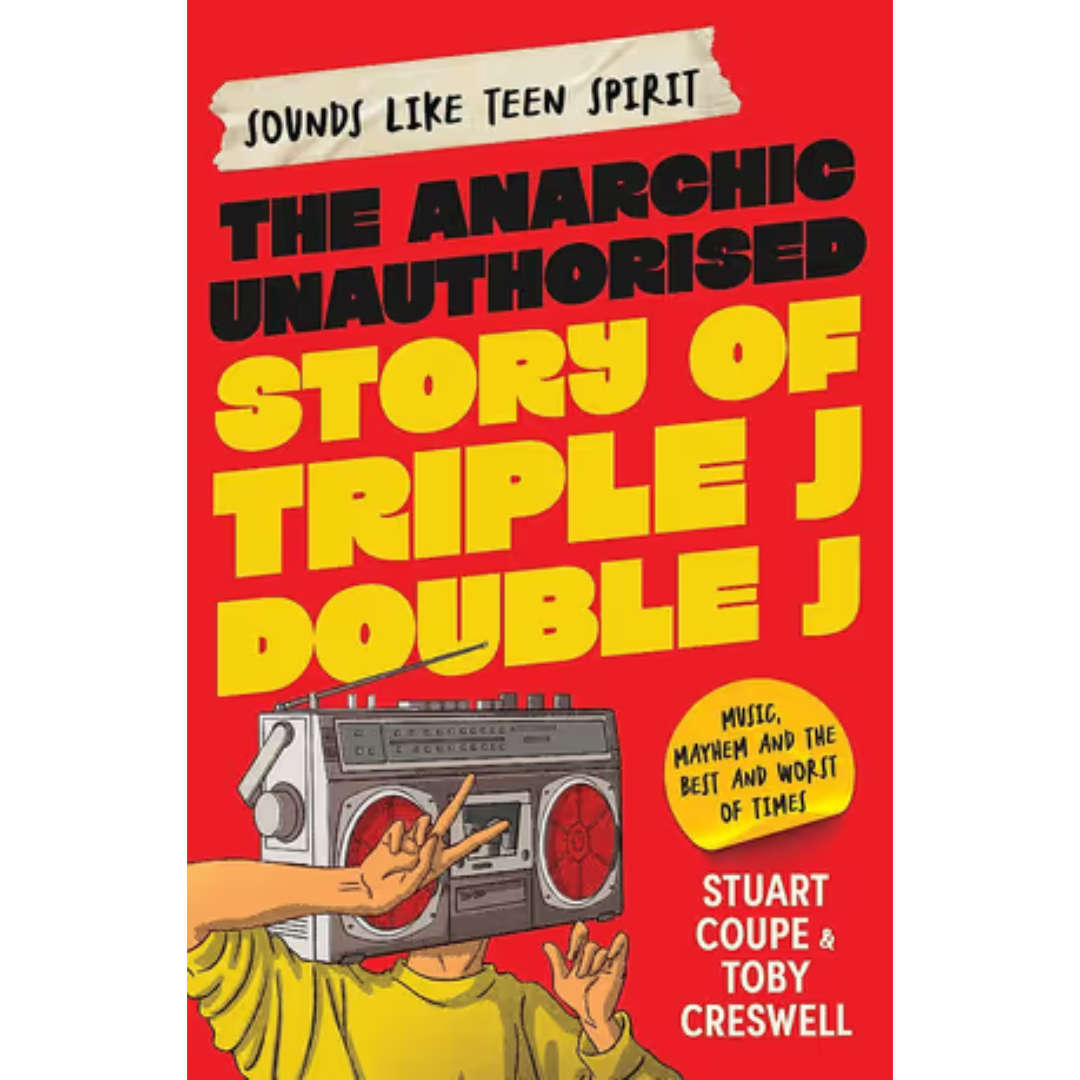
Sounds Like Teen Spirit – Stuart Coupe and Toby Creswell
Before Triple J became a national institution, Double J arrived in 1975 with an approach that challenged the conventions of Australian radio.
Coupe and Creswell trace the station’s evolution through an unauthorised account, taking in its role in Australian music and the careers it helped launch. Familiar voices give readers plenty of possible entry points, including Roy & HG and Myf Warhurst.
Verdict: The nostalgia pick for music lovers, especially anyone who remembers the excitement of hearing something on radio their parents would never have chosen.
A magical adventure for the grandchildren
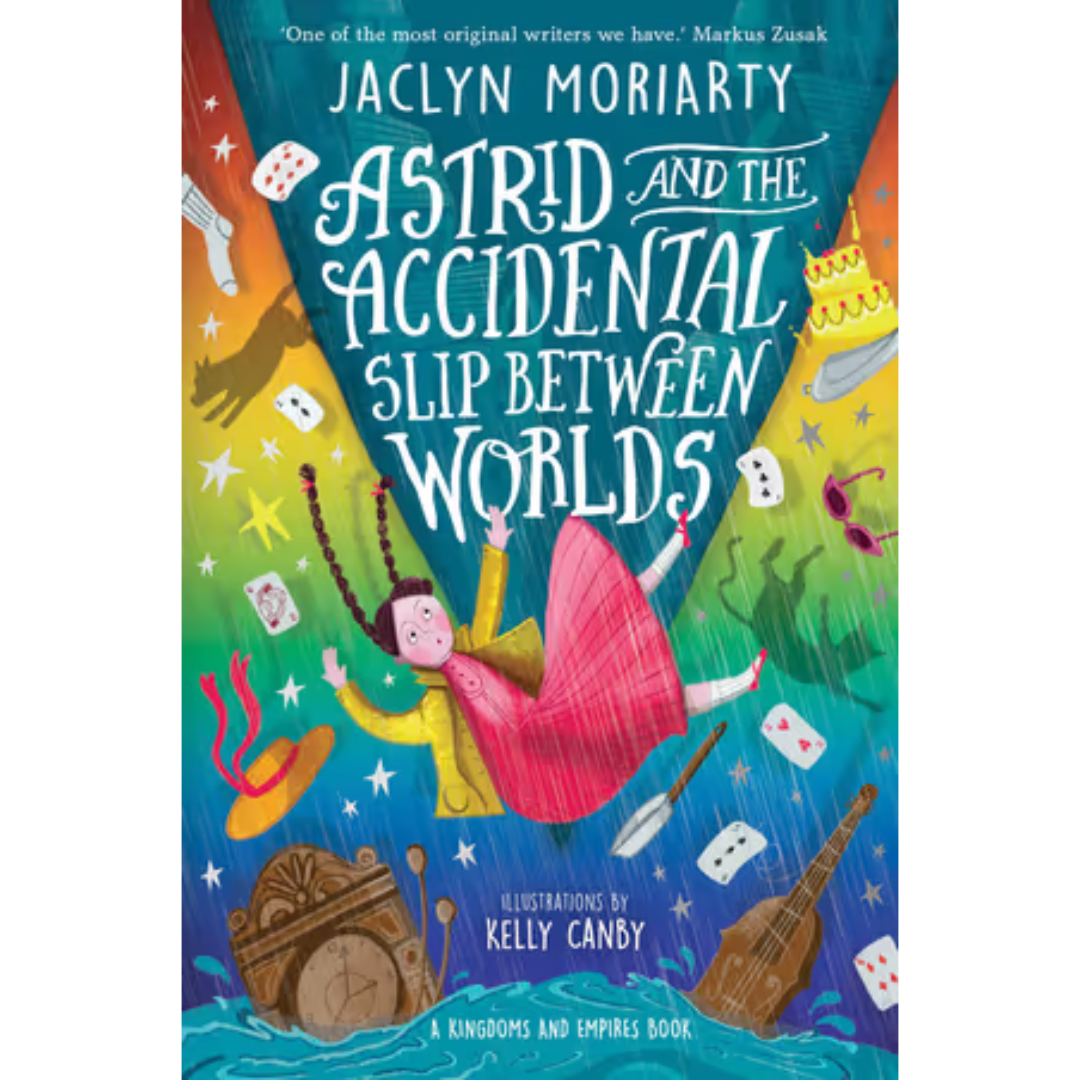
Astrid and the Accidental Slip Between Worlds – Jaclyn Moriarty
Astrid can tell when someone is lying. Unfortunately, that talent cannot protect her when she slips into a world that threatens to erase her memory and her sense of who she is.
Her sisters have troubles of their own, leaving Astrid’s rescue far from straightforward.
Part of Moriarty’s Kingdoms and Empires series, this fantasy is aimed at readers aged 10–14. If your grandchild loves magical worlds, this could be a welcome addition to their bookshelf.
Verdict: Put this on the gift list for fantasy-loving grandchildren aged 10–14, especially those already enjoying Moriarty’s series.





 Proudly Australian owned and operated
Comments 0
Join the conversation. Comments are reviewed before they appear.
Be the first to comment.
Join the conversation
Tell us who you are to post a comment. We'll remember you next time.