
On This Day: April 29


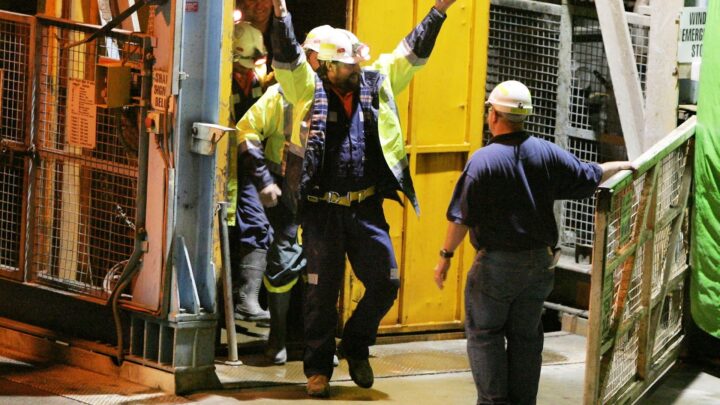
The day James Cook stepped ashore and changed Australia forever, two miners were found alive after five days underground, and a royal wedding stopped the world
Pour yourself something warm. April 29 is one of the most significant dates in Australian history – and it has some remarkable global stories attached to it as well.
1770 — The moment that changed everything
On April 29, 1770, British explorer James Cook made his first landing in Australia, at Botany Bay. He had been at sea for almost two years, sent by the British Admiralty to observe the Transit of Venus from Tahiti and then to search the southern seas for the great undiscovered continent that geographers had long theorised must exist. He found it.
Cook named the bay Botany Bay for the extraordinary variety of plant specimens collected there by the expedition’s botanist, Joseph Banks. He spent eight days on shore, mapped the coastline with meticulous care, and on 22 August 1770, at a place he named Possession Island off the tip of Cape York, formally claimed the eastern coast of Australia for the British Crown.
What followed – the colonisation that began eighteen years later when the First Fleet arrived in 1788 – transformed the continent utterly and irrevocably, in ways that brought both extraordinary suffering and the beginning of the nation we live in today. The full complexity of that story belongs to every Australian. But it began, on one April morning in 1770, when a longboat pulled up onto a beach at the southern end of what is now Sydney, and James Cook stepped ashore.
2006 — The miracle at Beaconsfield
On April 29, 2006, miners Brant Webb and Todd Russell were found alive five days after a mine collapse in Beaconsfield, Tasmania. A third miner, Larry Knight, had died in the original collapse on April 25. The discovery that Webb and Russell were still alive – communicating through tapping and eventually speaking to rescuers through a drill hole – was one of the most emotional moments in recent Australian history.
The two men spent a total of fourteen days trapped underground before being brought to the surface on May 9, 2006. They were 925 metres underground in a space described as barely larger than a car boot. Australians followed every development with an intensity that was almost impossible to describe – workmates and strangers standing vigil above ground while the rescue teams drilled, metre by painstaking metre, toward the voices they could hear.
When they finally emerged, blinking into the Tasmanian autumn light, the relief across the country was palpable. The Beaconsfield rescue remains one of the defining moments of Australian mateship – the refusal to leave anyone behind, the patience and skill of the rescue teams, and the extraordinary resilience of the two men who kept each other sane in the dark.
1975 — The day America left Vietnam
On April 29, 1975, the final United States helicopter left the US Embassy in Saigon, marking the end of American involvement in Vietnam. Operation Frequent Wind – the largest helicopter evacuation in history – lifted more than 7,000 people from various sites across Saigon in the hours before North Vietnamese forces entered the city. The iconic photograph of a CIA helicopter on a Saigon rooftop, a queue of people climbing the ladder, became one of the defining images of the twentieth century.
For Australia, the fall of Saigon carried its own particular weight. More than 60,000 Australians had served in Vietnam. Five hundred and twenty-one had died. The war had divided the nation in ways that took decades to heal – and the fall of a city that so much had been sacrificed to defend was a complicated and painful moment to process.
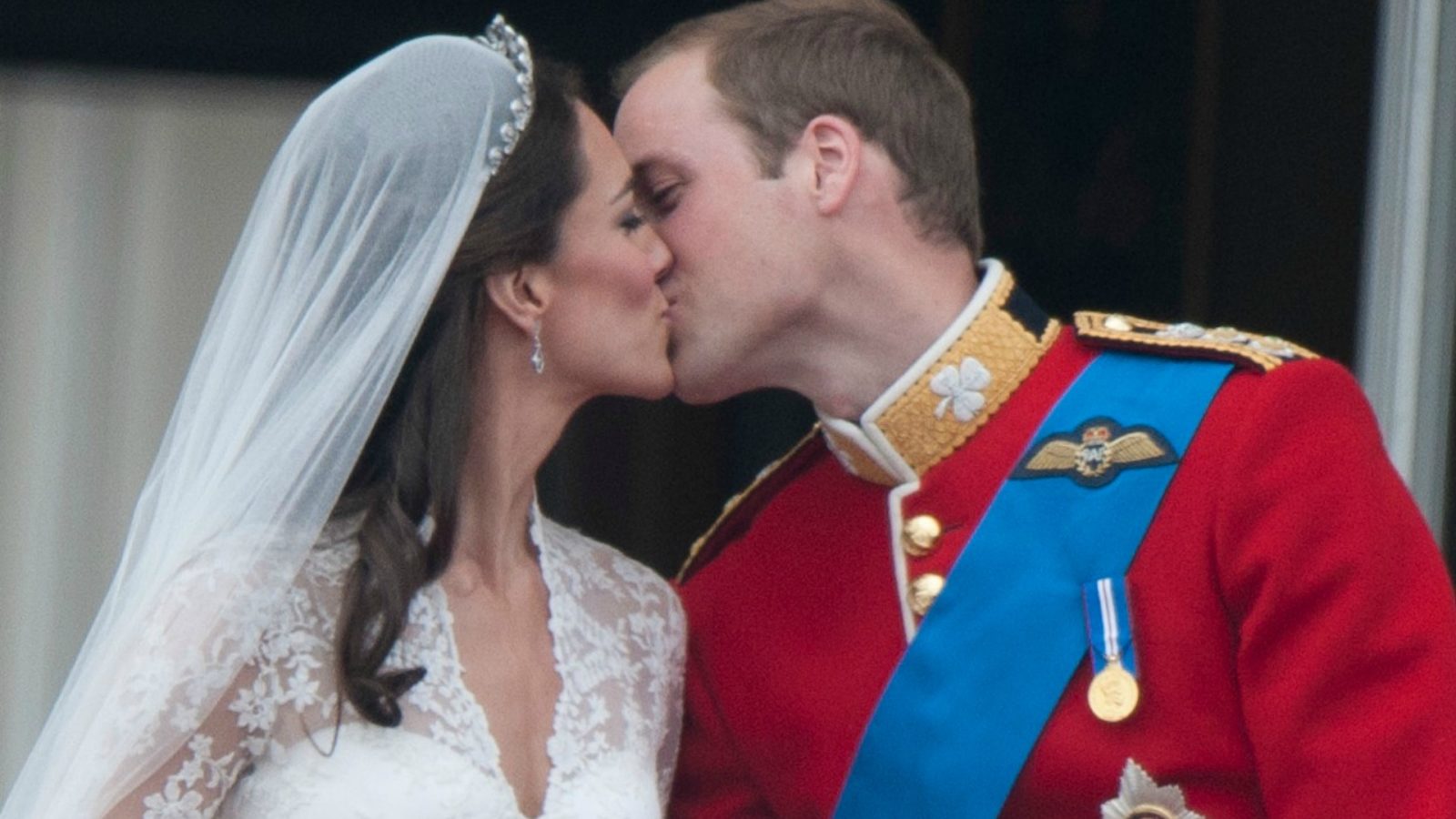
2011 — The wedding that stopped the world
On April 29, 2011, Prince William and Catherine Middleton were married at Westminster Abbey, with millions of viewers around the world tuning in to watch the historic event. The dress – designed by Sarah Burton for Alexander McQueen – became the most discussed garment in years. The kiss on the Buckingham Palace balcony was replayed so many times it became its own kind of cultural memory. For Australians of a certain generation, it echoed the extraordinary scenes of Charles and Diana’s wedding in 1981 — the sense that the entire world had paused, briefly and willingly, to watch something simply beautiful.
They are now the Prince and Princess of Wales, and their three children – George, Charlotte and Louis – are growing up in the full glare of a scrutiny that their parents know all too well.
Also on this day …
On April 29, 1945, the Dachau concentration camp was liberated by the United States Seventh Army – one of the first concentration camps established in Germany, operating from 1933 to 1945. What the soldiers found there was so horrifying that many of those who were present struggled to speak about it for the rest of their lives. The liberation of Dachau is one of those dates that should never pass unremarked. And Duke Ellington – the pianist, bandleader and composer whose music changed jazz forever – was born on April 29, 1899. He would have been 127 today.
Some days carry the full weight of history. April 29 is one of them.
Come back tomorrow for another spin through the calendar.





 Proudly Australian owned and operated
Comments 0
Join the conversation. Comments are reviewed before they appear.
Be the first to comment.
Join the conversation
Tell us who you are to post a comment. We'll remember you next time.