
On This Day: April 28


The day Australia changed its gun laws forever, a boxing champion stood alone, and a man born in a small Czech town saved over a thousand lives
Pour yourself something warm. April 28 is a date that carries genuine weight – particularly for Australians. We begin today where we must.
1996 — Port Arthur, and the day Australia decided enough
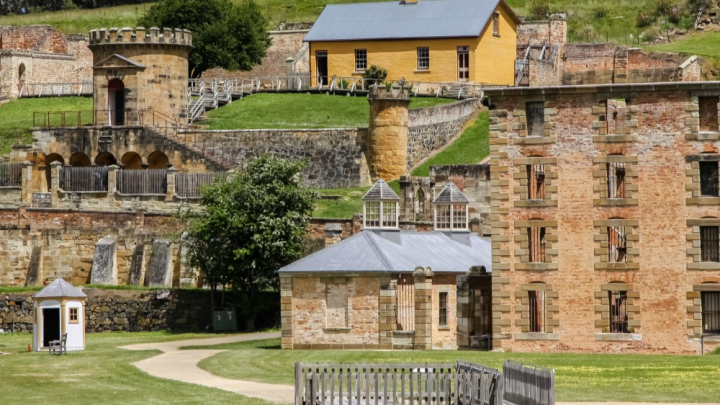
On April 28, 1996, a gunman began a killing spree at the historic Port Arthur convict site in Tasmania that ended in the deaths of 35 men, women and children. It remains the deadliest mass shooting in Australian history.
The nation was shattered. But what happened in the weeks that followed set Australia apart from almost every other country in the world. Prime Minister John Howard — in office for just six weeks — moved immediately and decisively. Within twelve days of the massacre, he had negotiated a landmark national firearms agreement with every state and territory. A sweeping buyback of semi-automatic and pump-action weapons followed. Gun control laws across Australia were significantly strengthened in the aftermath.
The Port Arthur massacre and the legislative response that followed is now studied around the world as a case study in political courage and effective gun policy. In Australia, it is simply part of who we are — a national trauma that produced a national resolve. We remember the 35 lives lost today, and every day.
1789 — Mutiny on the Bounty
One of the most famous stories in maritime history began on April 28, 1789, in the waters of the South Pacific. Three weeks into a journey from Tahiti to the West Indies, the HMS Bounty was seized in a mutiny led by Fletcher Christian, the master’s mate. Captain William Bligh and 18 loyal supporters were set adrift in a small open boat.
What happened next is the part that deserves more attention than the mutiny itself. Bligh, without charts or adequate provisions, navigated that small open boat nearly 6,700 kilometres to Timor — one of the most extraordinary feats of seamanship in history. He lost not a single man to the sea. The mutineers eventually settled on Pitcairn Island, where their descendants live to this day. The story has been told in films at least five times. Fletcher Christian remains one of history’s most romanticised rebels. Bligh, who was arguably the real hero of the story, remains mostly the villain.
1967 — The greatest stands alone
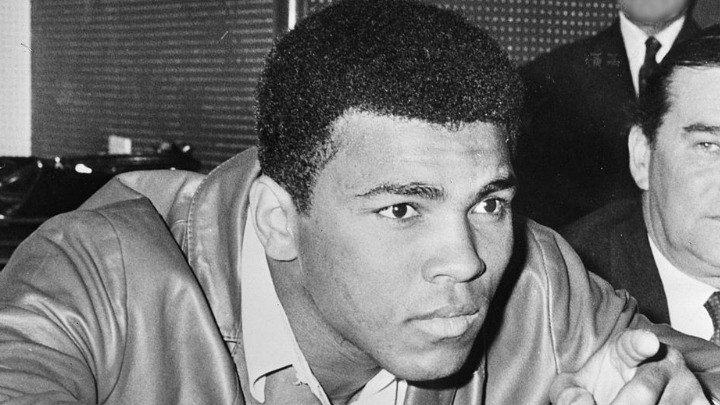
On April 28, 1967, boxing champion Muhammad Ali refused to be inducted into the US Army and was immediately stripped of his heavyweight title. Ali, a Muslim, cited religious reasons for his decision to forgo military service.
He was 25 years old, at the peak of his powers, and he knew exactly what it would cost him. He was convicted of draft evasion, banned from boxing for three and a half years during what should have been the prime of his career, and faced prison. The Supreme Court eventually overturned his conviction unanimously. He returned to boxing, reclaimed the heavyweight title twice more, and became arguably the most recognised and beloved sportsman in human history.
“I ain’t got no quarrel with them Viet Cong,” he said. It was one sentence. It changed everything.
1908 — The man who saved over a thousand lives
Oskar Schindler was born on April 28, 1908 — the German industrialist who began the Second World War as a war profiteer and ended it having spent his entire fortune bribing Nazi officials to save the lives of over 1,200 Jewish workers in his factory. He died nearly broke in 1974, largely forgotten. Steven Spielberg’s 1993 film Schindler’s List gave him the recognition history had denied him. He is buried in Jerusalem, where his gravestone reads: “Whoever saves one life, saves the world entire.”
Also on this day — an Australian voice that never should have gone quiet
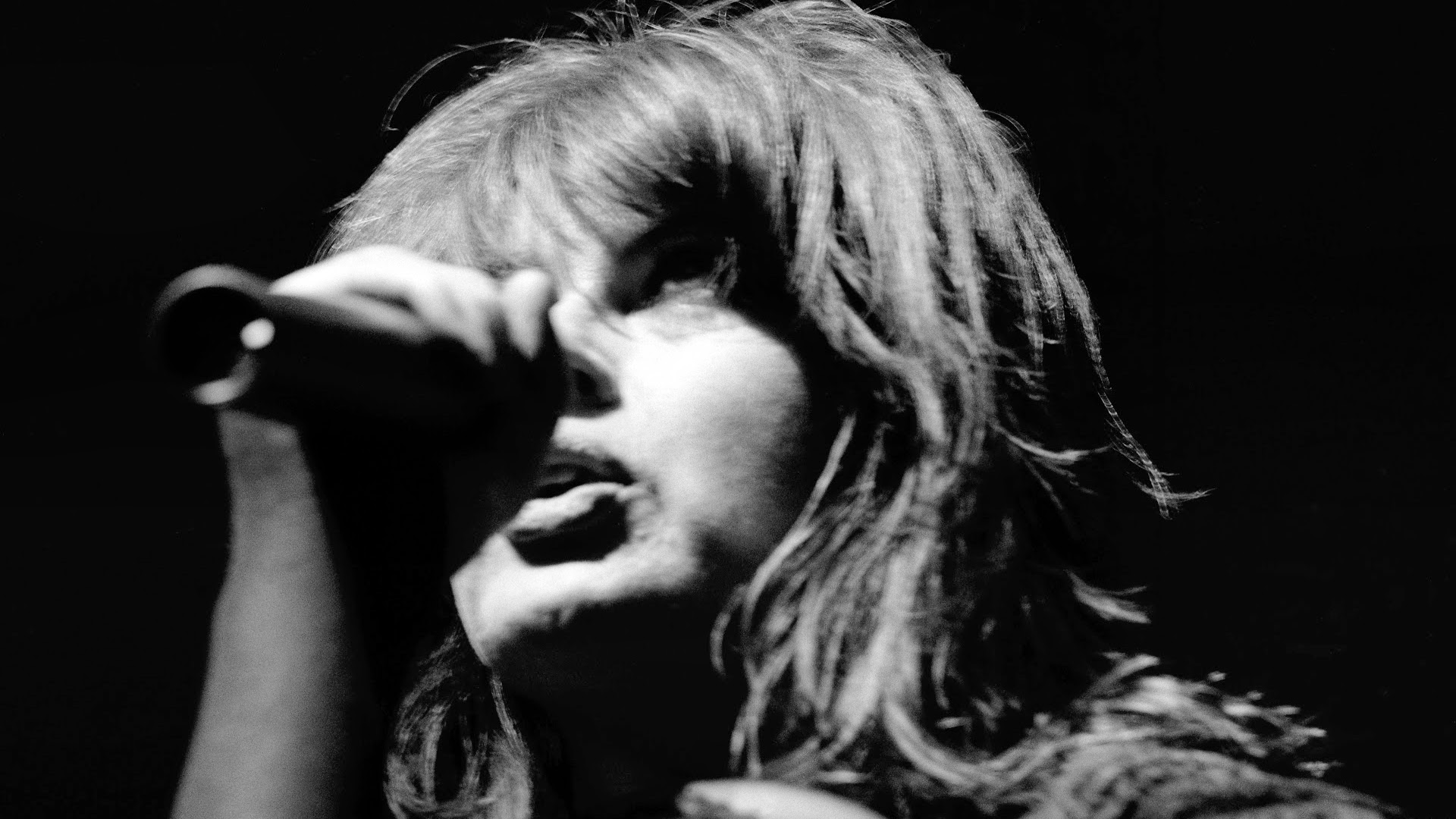
Chrissy Amphlett, lead singer of the Divinyls and one of the most electrifying performers Australian rock music ever produced, died on April 28, 2013. She was 53. She had been diagnosed with both breast cancer and multiple sclerosis. The black schoolgirl uniform, the raw power of I Touch Myself, the absolute fearlessness on stage — there was nobody else like her. There still isn’t.
Some days hold the full measure of human courage. April 28 is one of them.
Come back tomorrow for another spin through the calendar.





 Proudly Australian owned and operated
Comments 0
Join the conversation. Comments are reviewed before they appear.
Be the first to comment.
Join the conversation
Tell us who you are to post a comment. We'll remember you next time.