
‘I don’t want people to wait’: Why Bradley Dryburgh believes it’s never too late to start living


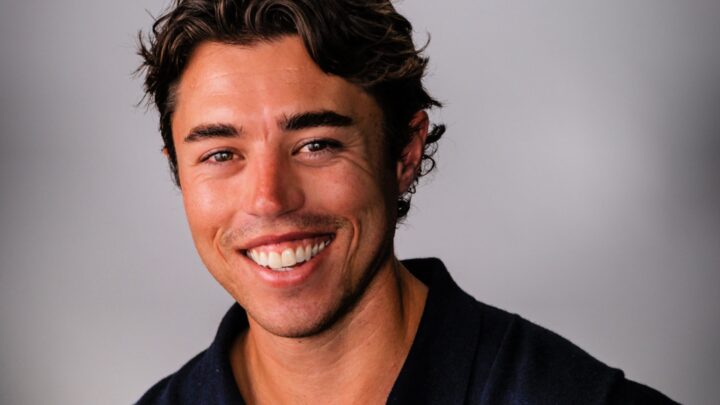
Most people spend their lives trying not to think about death. Bradley Dryburgh hopes that reflecting on mortality can encourage people to make the most of the life they have.
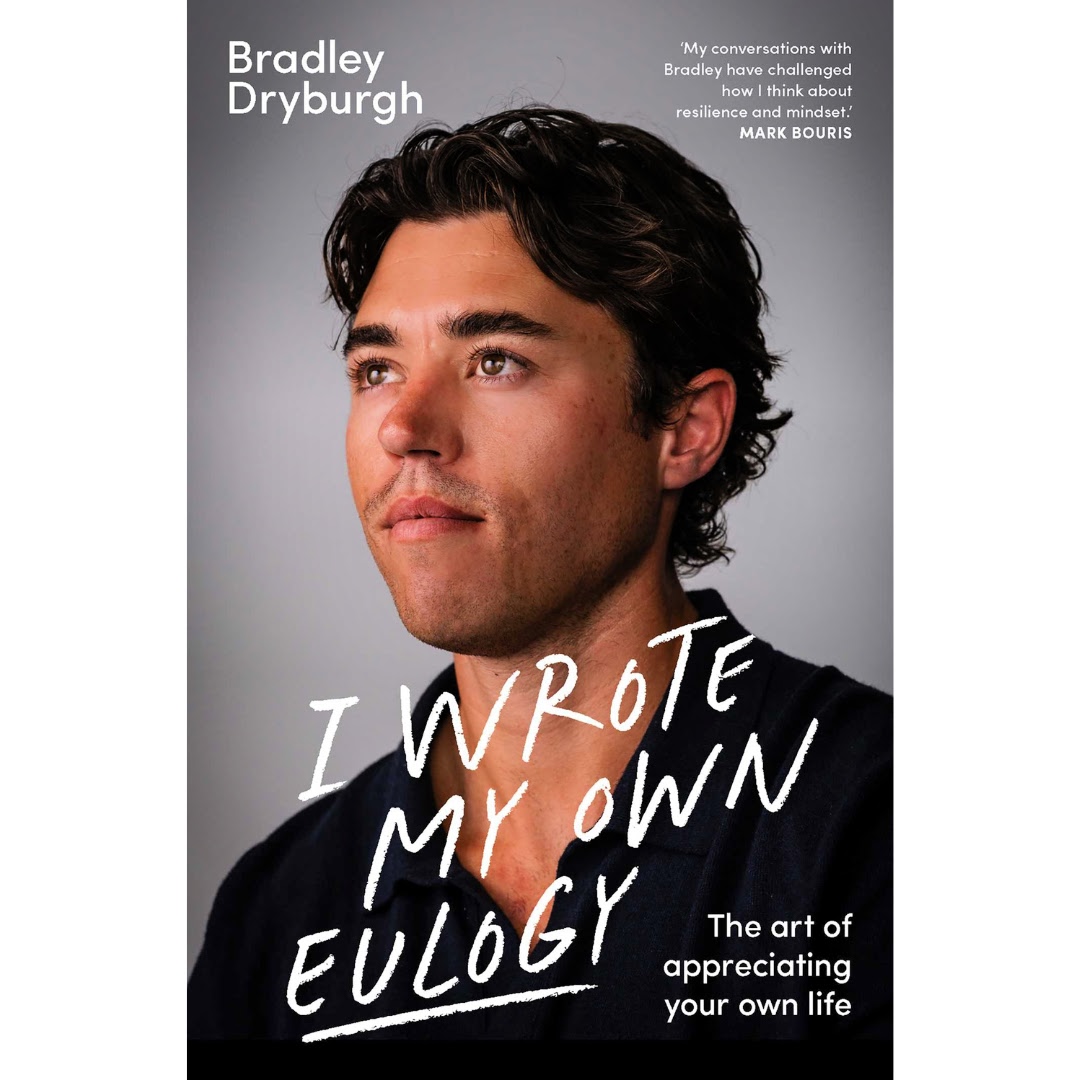
The author of I Wrote My Own Eulogy isn’t asking readers to dwell on death, but to use it as a reminder that time is never guaranteed. His new book encourages people to step off life’s autopilot mode, reflect on what truly matters and ask themselves a confronting question: if your story ended today, would you be proud of how you’ve lived it?
For Dryburgh, that question isn’t hypothetical.
Born with cystic fibrosis, he grew up understanding the importance of looking after his health, but says his parents never allowed his diagnosis to define his childhood. Instead, they gave him something far more powerful.
“In truth, I didn’t grow up thinking about my mortality,” he says. “My incredible parents did such an incredible job of shielding me from some of the harsh realities of life with cystic fibrosis.”
“They gave me an opportunity to be a kid. Their positivity gave me life.”
That outlook stayed with him into adulthood, even as his health became more challenging. Then, at 18, he experienced the first moment that truly forced him to confront his own mortality.
While waiting for surgery, Dryburgh suddenly began coughing up large amounts of blood at home, a symptom doctors had previously warned could become life threatening because of complications from liver disease. During the drive to hospital, he found himself wondering whether he would ever see his family again or have the chance to chase his dreams.
“It was the first moment that I truly confronted my mortality,” he recalls.
Years later, another experience would shape the book that followed.
After attending two very different funerals, one for his beloved grandmother and another for a colleague who died far too young after cancer, Dryburgh noticed something striking. Neither person was remembered for professional success or achievements.
Instead, the stories centred on family, kindness, love and the impact they had on those around them.
“Life doesn’t play fair,” he says. “We don’t know what cards are yet to be dealt and we should live our lives fully while we have the chance.”
That reflection eventually inspired an unusual exercise. At just 26, Dryburgh sat down with two close friends on his podcast and read aloud the eulogies they had written for themselves.
Rather than being confronting, he says the experience became a way of identifying what they wanted their lives to stand for while they still had time to shape them.
“It was a conscious effort to shift out of life’s autopilot mode, recognise the fragility of life and the blessing that it truly is.”
One message running through I Wrote My Own Eulogy is that too many people postpone the things that matter most.
Whether it’s taking the holiday, pursuing a passion, repairing a relationship or chasing a long held dream, Dryburgh believes we often convince ourselves there will always be more time.
“Our default setting is to believe that we have so much time left ahead,” he says.
“No matter how busy life gets, it’s important to never stop making plans and to always make time for life. Take the leap, have the conversation, live out the adventure now. Life does not wait for you.”
It’s a message likely to resonate with many Starts at 60 readers, particularly those wondering whether it’s too late to make a change.
Dryburgh doesn’t believe age should ever be the deciding factor.
Instead, he points to one of his favourite passages from The Curious Case of Benjamin Button, which reminds readers that “it’s never too late, or in my case too early, to be whoever you want to be.”
While the book explores resilience, Dryburgh is careful not to portray strength as pretending everything is fine. He prefers the concept of “anti fragility”, the idea that people can grow stronger because of hardship, much like muscles rebuild after being placed under stress.
“It’s OK to feel the weight of it,” he says. “Processing our hardship and accepting that it is our cross to carry is part of growing stronger.”
He also believes people often misunderstand what legacy really means. Rather than measuring success through careers or public recognition, Dryburgh says the people we love are at the heart of the lives we leave behind.
“My achievements mean more for having the right people to share them with,” he says.
“Legacy starts at home and, if we are lucky, sometimes it goes beyond it.”
Asked what he hopes people will one day say about him, his answer is remarkably simple.
“If my family know that I loved them more than anything, then that will be enough for me.”
If his story inspires someone else to maintain hope through hardship, write their own eulogy or simply live a life they are proud of, he says he would be “incredibly proud.”
I Wrote My Own Eulogy by Bradley Dryburgh (Simon & Schuster, RRP $34.99) is available now.





 Proudly Australian owned and operated
Comments 0
Join the conversation. Comments are reviewed before they appear.
Be the first to comment.
Join the conversation
Tell us who you are to post a comment. We'll remember you next time.