
Best Ways to Get Fresh Water When Camping or Caravanning in Australia (Safe & Off-Grid Solutions)


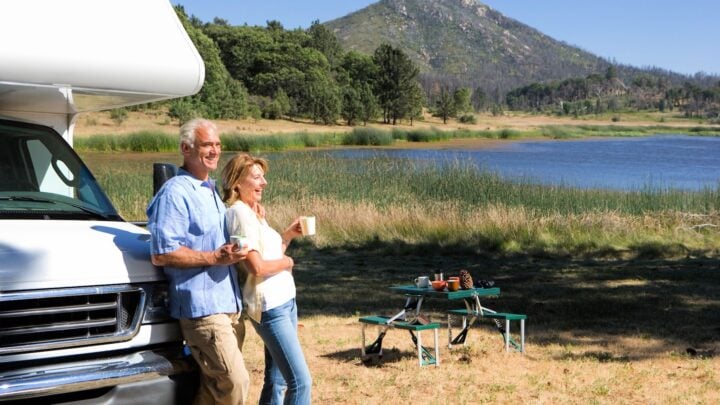
Heading off on a camping or caravanning trip across Australia is one of life’s great pleasures. Whether you’re parked beside a river in regional Victoria, exploring the red centre, or hugging the coastline enjoy our pristine beaches, one thing is absolutely essential – reliable access to fresh water.
Unlike power or mobile reception, water isn’t optional. It’s critical for drinking, cooking, washing up, and staying safe, particularly in Australia’s harsh climate. At Starts at 60 we have done a deep dive into the best, safest, and most practical ways to secure fresh water while camping or caravanning. Smart camping and caravanning is all about being prepared.
1. Fill Up at Certified Water Points
The simplest and safest way to access fresh water is to fill up at designated potable water stations before and/or during your trip. WikiCamps and Apps can assist with finding water fill points.
In Australia, many:
Caravan parks
Showgrounds
Visitor information centres
Service stations
Council rest stops
provide clearly marked drinking water taps. Always check signage carefully, “non-potable” means it’s not safe to drink.
Caravanners should carry a dedicated drinking-water hose (usually food-grade and often coloured blue) to avoid contamination. Never use your general-purpose wash-down hose for potable water.
Before long remote stretches, such as inland Queensland or parts of WA, always top up, even if your tank isn’t empty. Distances between refill points can be significant.
2. Carry Sufficient Water Storage
Self-sufficiency is key, particularly if you plan to free camp or travel off-grid.
Most caravans and camper trailers come with built-in water tanks, but it’s wise to carry additional storage such as:
Food-grade jerry cans
Collapsible water containers
Extra fixed underbody tanks
As a general rule in Australian conditions, allow three – four litres per person per day for drinking and additional water for cooking and basic washing. But be aware that in hotter climates or during physical activity, that number increases significantly.
It’s also important to rotate your stored water regularly (every few weeks if stored long term) helps maintain freshness.
3. Use Water Filters for Added Safety (basic starts $50 -$150, advanced $300 – $600)
Even when filling from potable sources, many travellers use inline water filters for added peace of mind. These attach between the tap and your hose, reducing sediment, chlorine taste, and potential contaminants. It’s a must.
And for those drawing water from rainwater tanks, farm stays, or rural properties, filtration becomes even more important.
If you’re collecting water from natural sources (rivers, creeks, dams), a high-quality portable water filter is essential. Look for filters capable of removing bacteria (like E. coli), Protozoa (like Giardia) and sediment.
However, filtration alone may not remove viruses, so further treatment may be required.
4. Boil When Necessary
Boiling remains one of the most reliable water purification methods when you’re unsure of quality.
To make water safe:
Bring it to a rolling boil
Keep boiling for at least one minute (longer at higher altitudes)
Allow it to cool before storing in a clean container
This method is especially useful when camping in remote bush areas where water sources are untreated.
Boiling won’t remove sediment or improve taste, but it effectively kills most harmful microorganisms.
5. Use Water Purification Tablets or Drops (for as little as $14 for 50 tablets)
Water purification tablets or liquid treatments are lightweight and ideal as a backup solution. They’re particularly useful for hikers, remote campers, or emergency kits.
These treatments typically use chlorine or iodine to kill bacteria and viruses. Always:
Follow dosage instructions carefully
Allow the recommended treatment time
Be aware that some may alter taste slightly
They’re not usually necessary for treated town water but are invaluable in remote areas.
6. Collect Rainwater (When Practical)
If you’re staying in one place for an extended period and conditions allow, rainwater collection can supplement your supply.
Caravans with awnings can be set up with simple gutter systems feeding into clean containers. Always filter and treat collected rainwater before drinking, especially if it runs off canvas or metal surfaces.
While Australia isn’t always generous with rainfall, this method can help extend reserves during longer stays.
7. Consider Atmospheric Water Generation
For travellers wanting greater independence, particularly those who spend extended periods off-grid, newer technology is offering an innovative alternative.
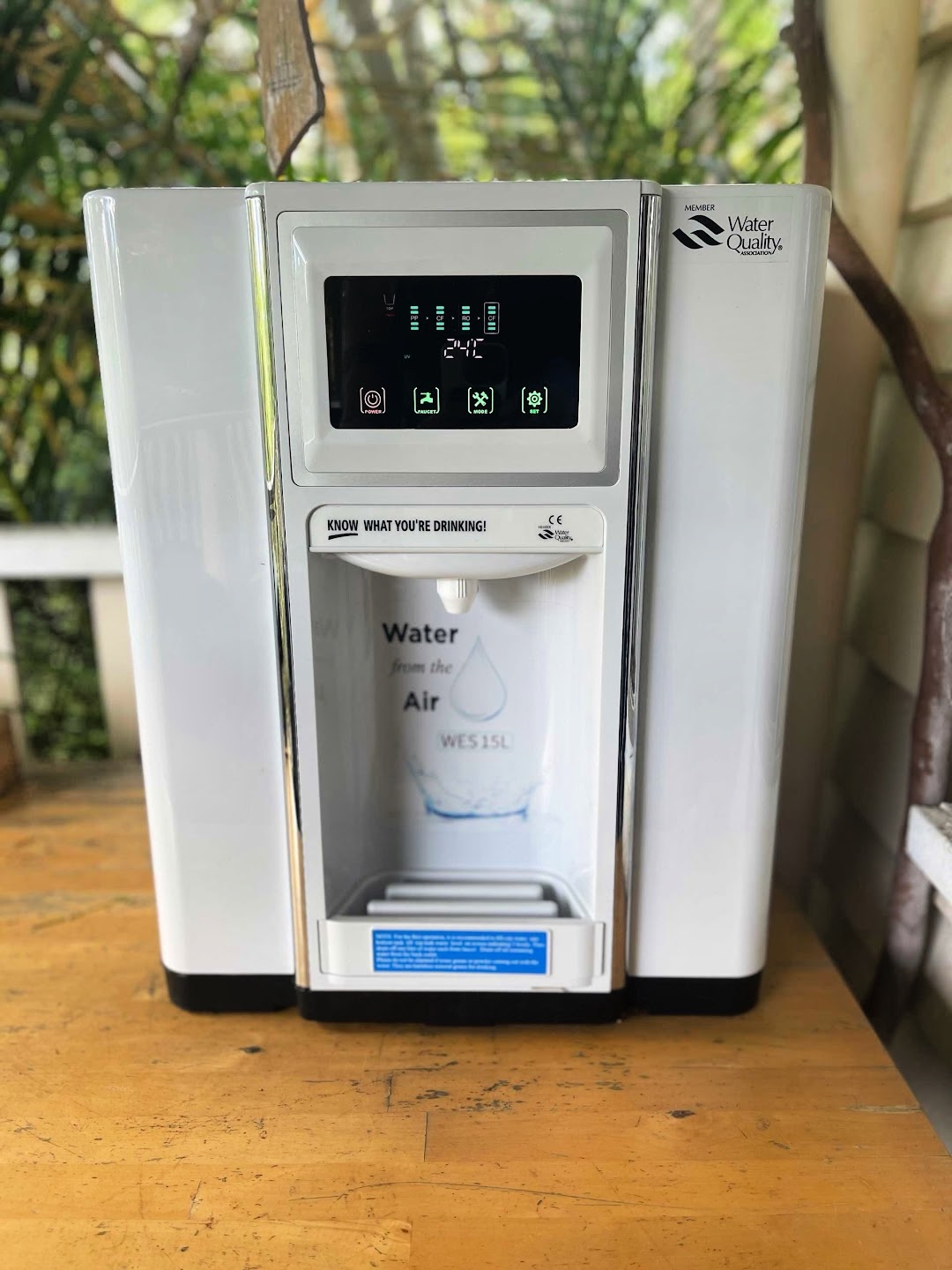
The Airqua unit generates drinking water directly from humidity in the air. Known as atmospheric water generation, this technology extracts moisture from the air, filters it, and converts it into clean drinking water.
For caravanners, this can provide:
Reduced reliance on refill stations
Greater self-sufficiency in humid regions
Backup water production when supplies run low
While output depends on humidity levels (it performs best in coastal or tropical climates), it represents a forward-thinking solution for those serious about long-term off-grid travel.
In a country where distances are vast and water points aren’t always guaranteed, technology like Airqua adds an extra layer of security. And the water tastes great.
The Airqua 15L countertop atmospheric water generator retails for $2,200 (larger sizes available). If off grid, you will need solar energy to run the system.
8. Plan for Remote Travel
If travelling in remote regions, such as the Kimberley, the Nullarbor, or just the outback in your state, planning becomes critical and will save your life.
Before departure:
Research confirmed water refill locations
Check seasonal conditions
Ask local visitor centres about current supply availability
Never rely solely on natural water sources in arid regions. Carry more than you think you’ll need. In extreme heat, dehydration can happen quickly and becomes dangerous fast.
9. Maintain Clean Storage Practices
Even the best water source can become unsafe if stored incorrectly.
To maintain water quality:
Clean tanks regularly with food-safe sanitiser
Flush hoses before connecting
Keep containers sealed and out of direct sun
Avoid dipping cups or hands directly into storage containers
Good hygiene protects both taste and safety. And let’s face it, who wants to get sick on holiday.
Fresh water is the foundation of any successful camping or caravanning adventure in Australia. With proper planning, adequate storage, and sensible purification methods, you can travel confidently, whether you’re at a powered coastal site or miles from the nearest town.
The golden rule is plan ahead, carry extra, and treat any uncertain source with caution. Water security means freedom, and with it, the ability to truly relax and enjoy the journey.





 Proudly Australian owned and operated
Comments 0
Join the conversation. Comments are reviewed before they appear.
Be the first to comment.
Join the conversation
Tell us who you are to post a comment. We'll remember you next time.